Route 66 - Day #7
Friday, April 17, 2026
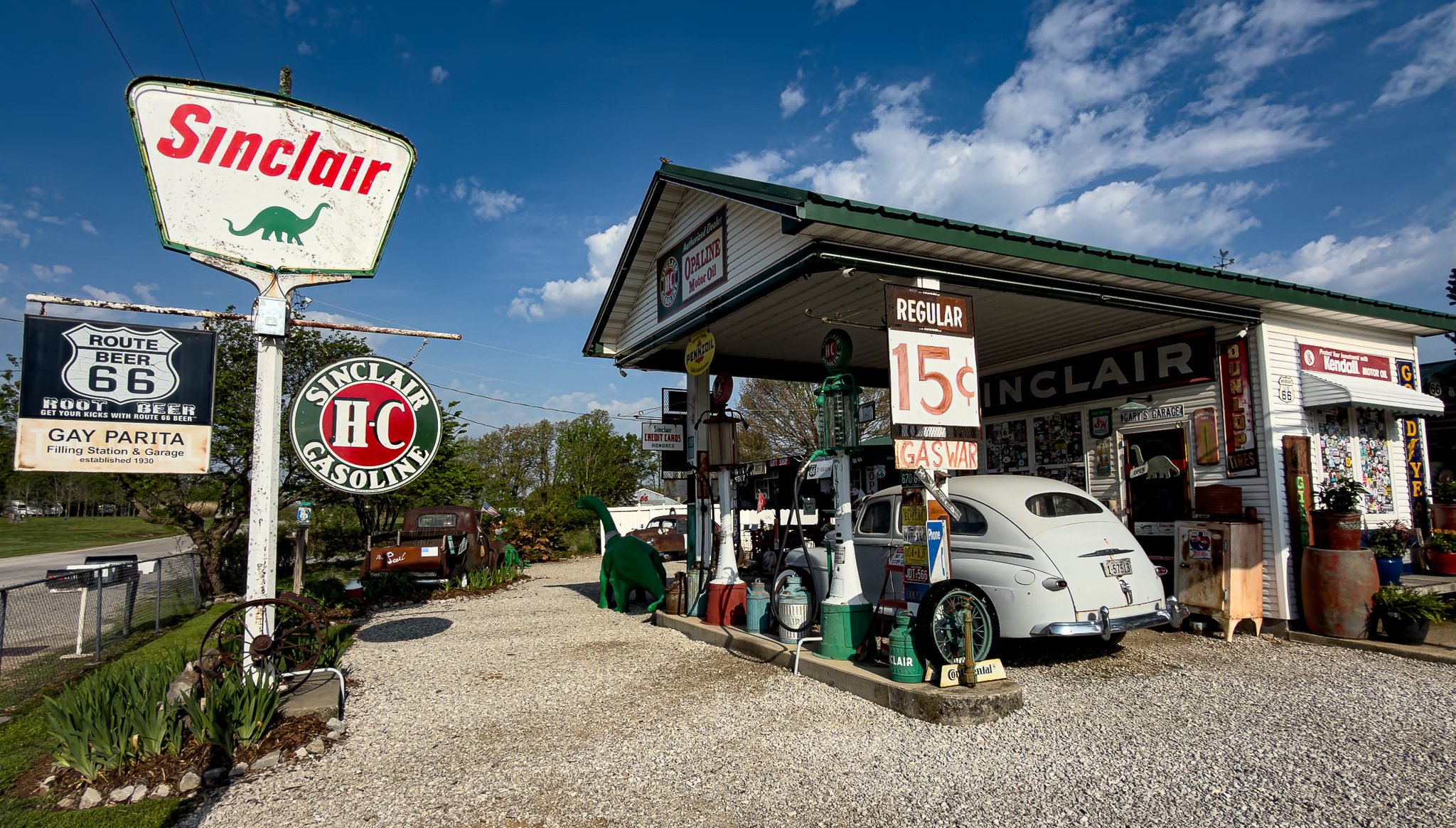
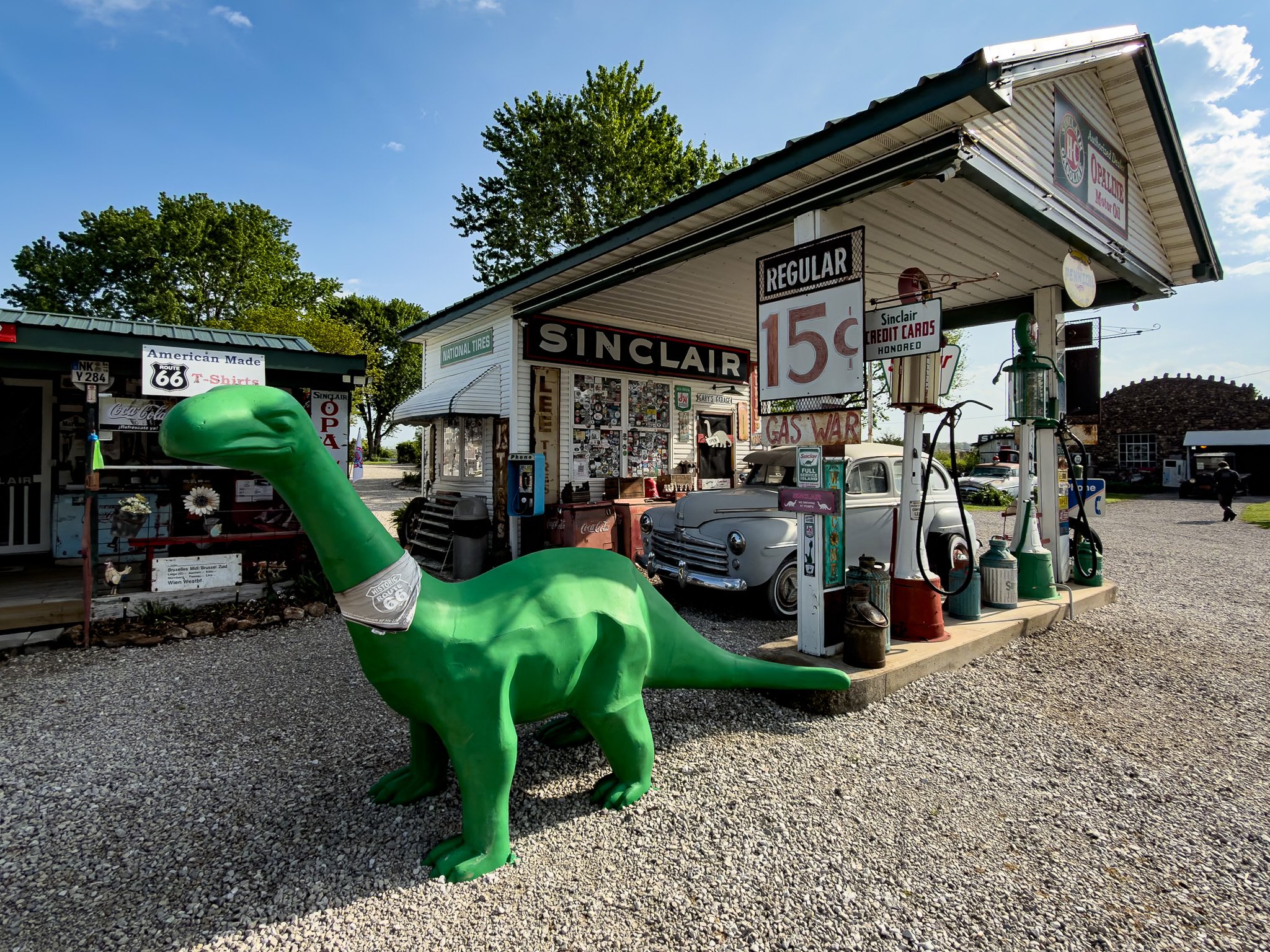
Our first stop today was Gary’s Gay Parita.
Gay Parita Sinclair Station, often called “Gary’s Gay Parita,” is a lovingly restored Route 66 gas station recreated by Gary Turner. Filled with vintage signs, pumps, and memorabilia, it captures the spirit of mid-century roadside America and serves as a nostalgic photo stop for travelers exploring the Mother Road today.
Click on Image for Map.
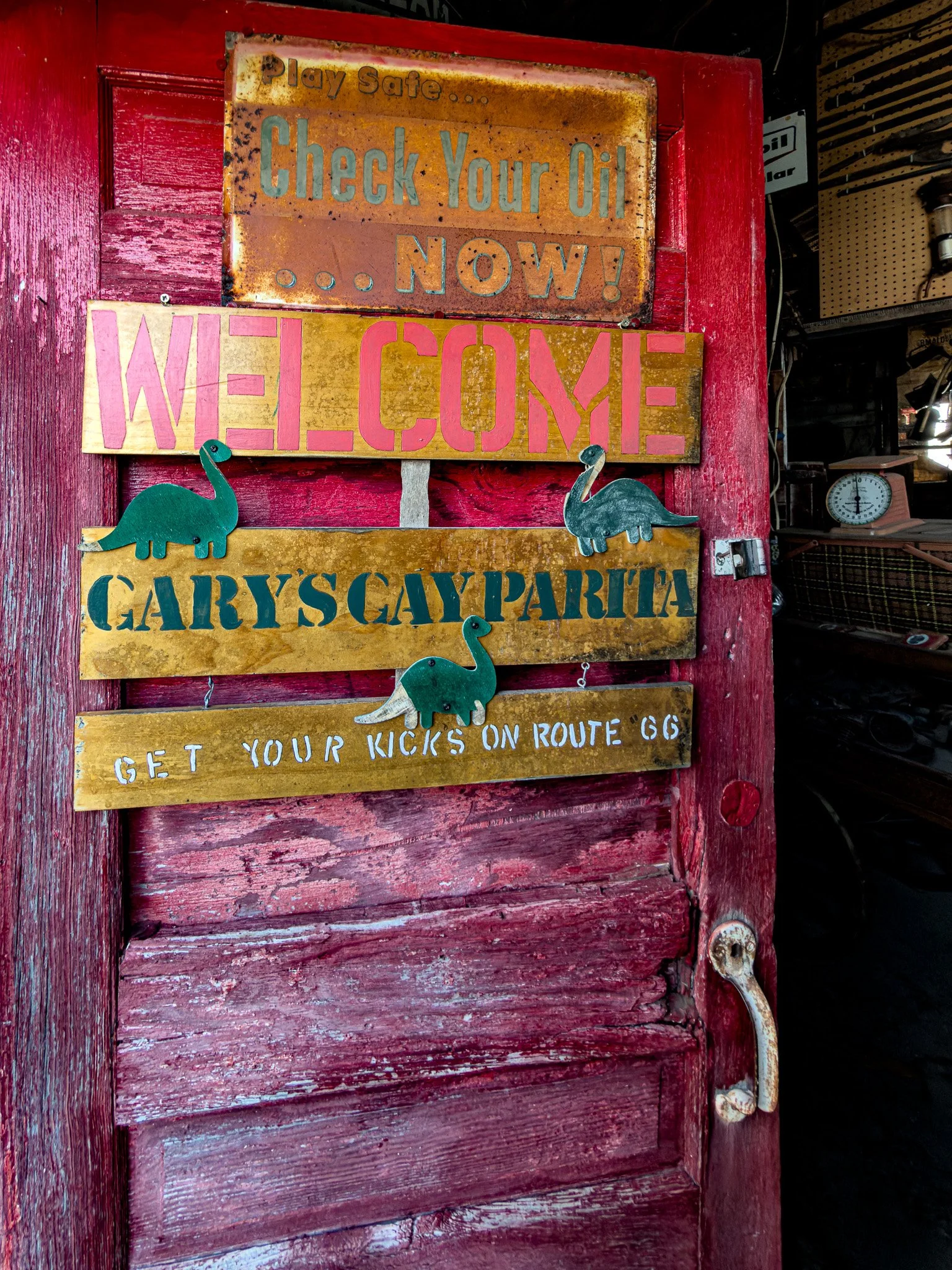
If today has a theme, it would have to be STRANGE!
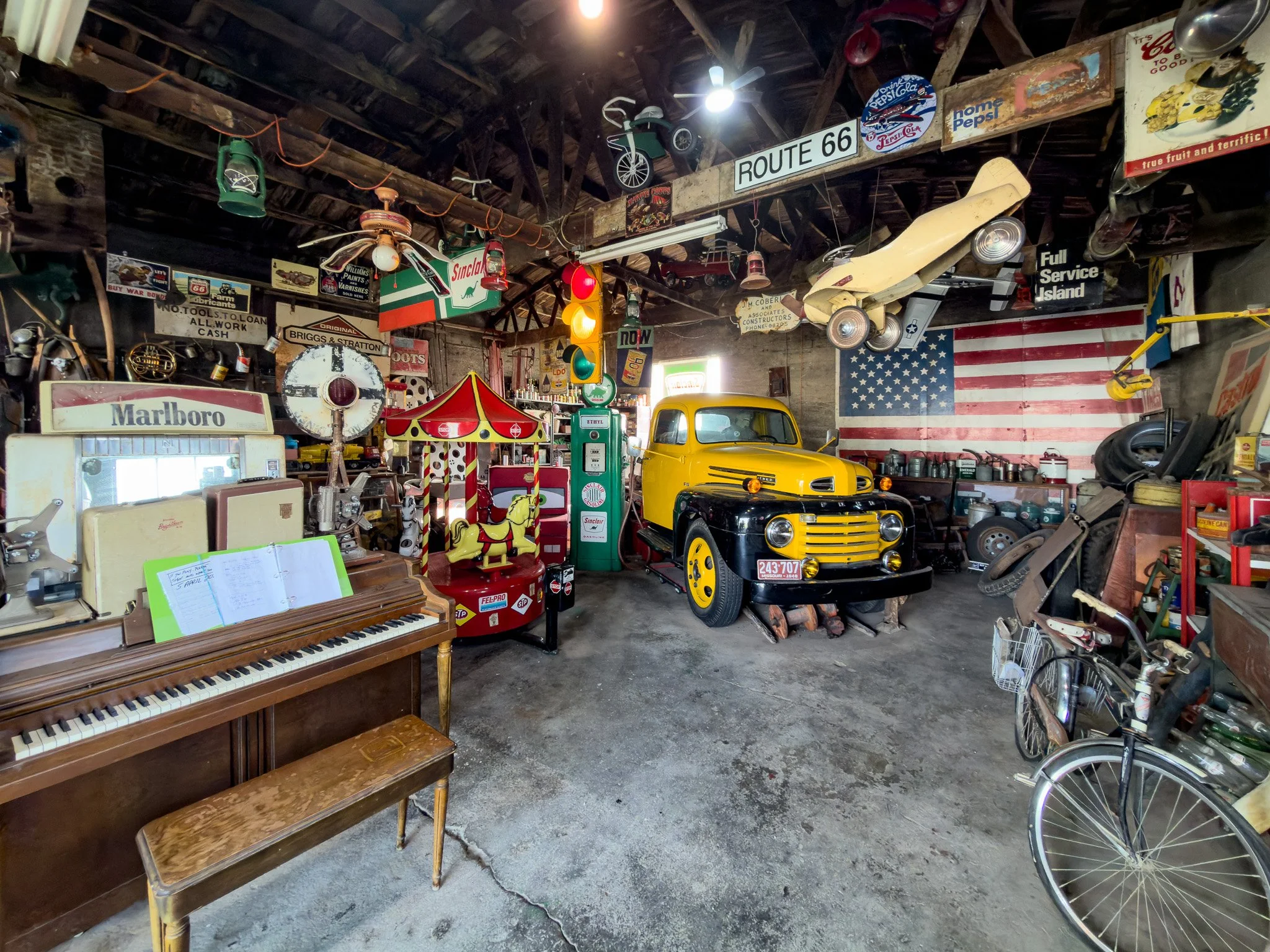
This place is absolutely filled with the most random stuff. Despite the strangeness, it is absolutely fascinating!
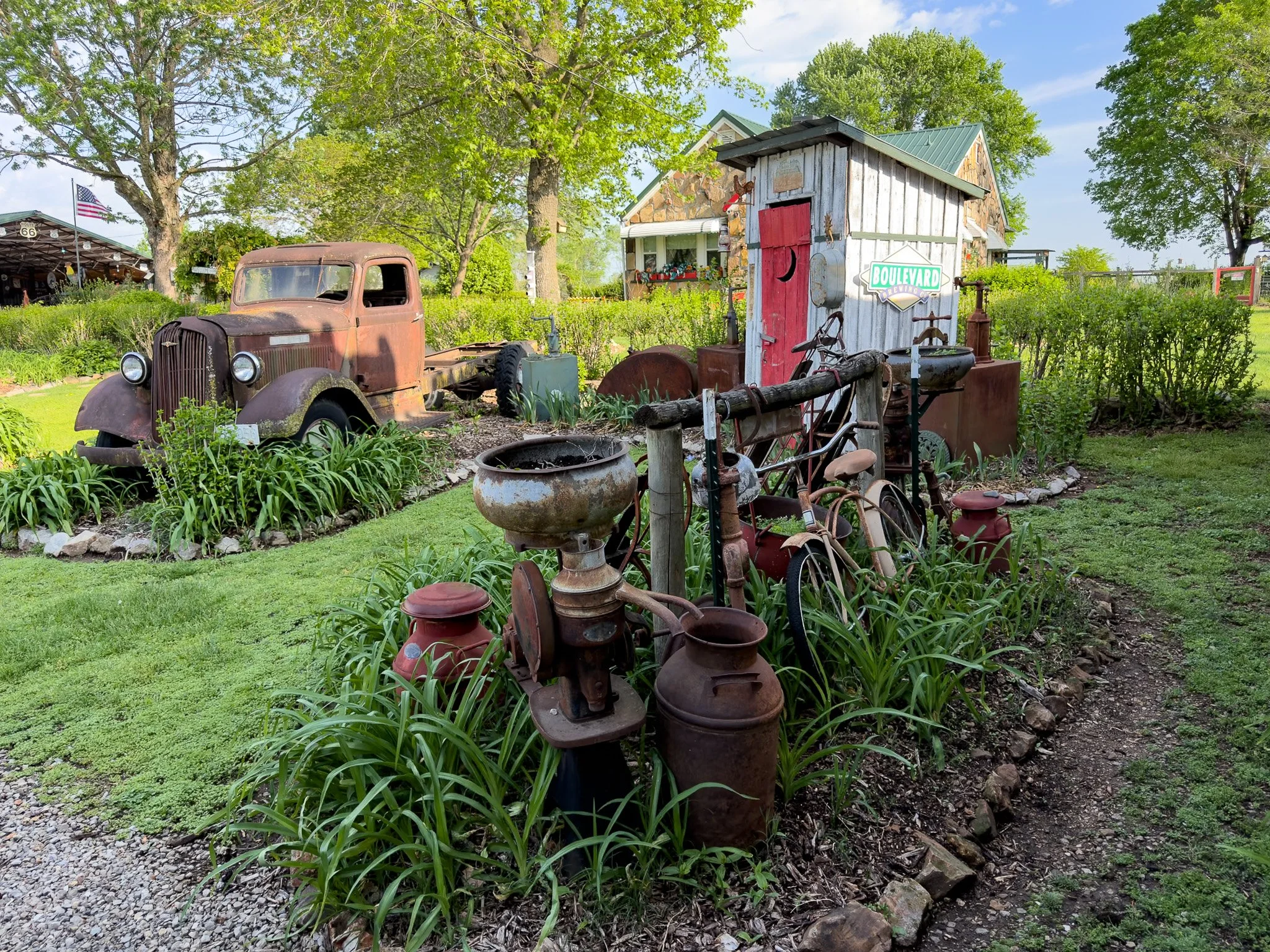
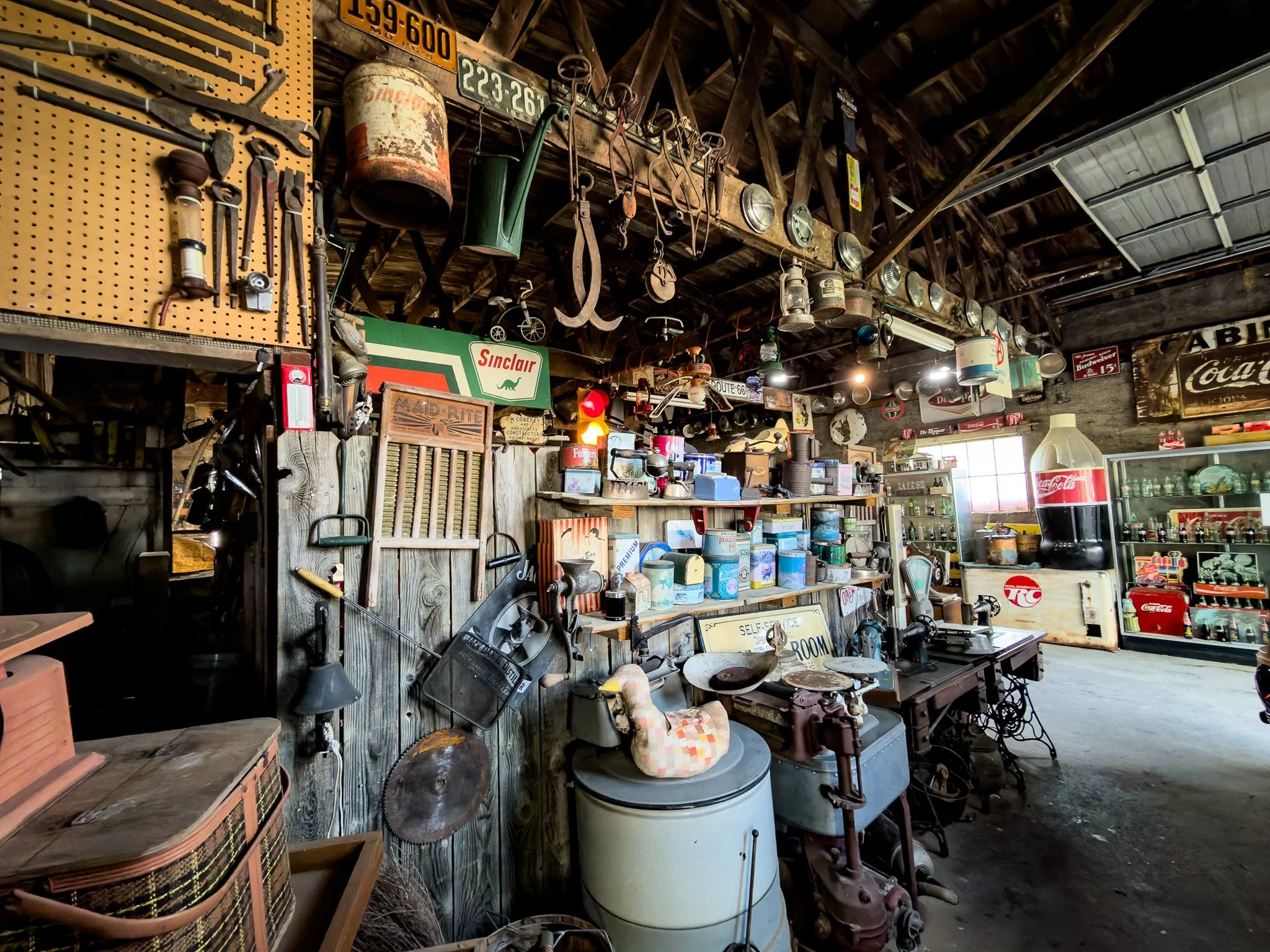
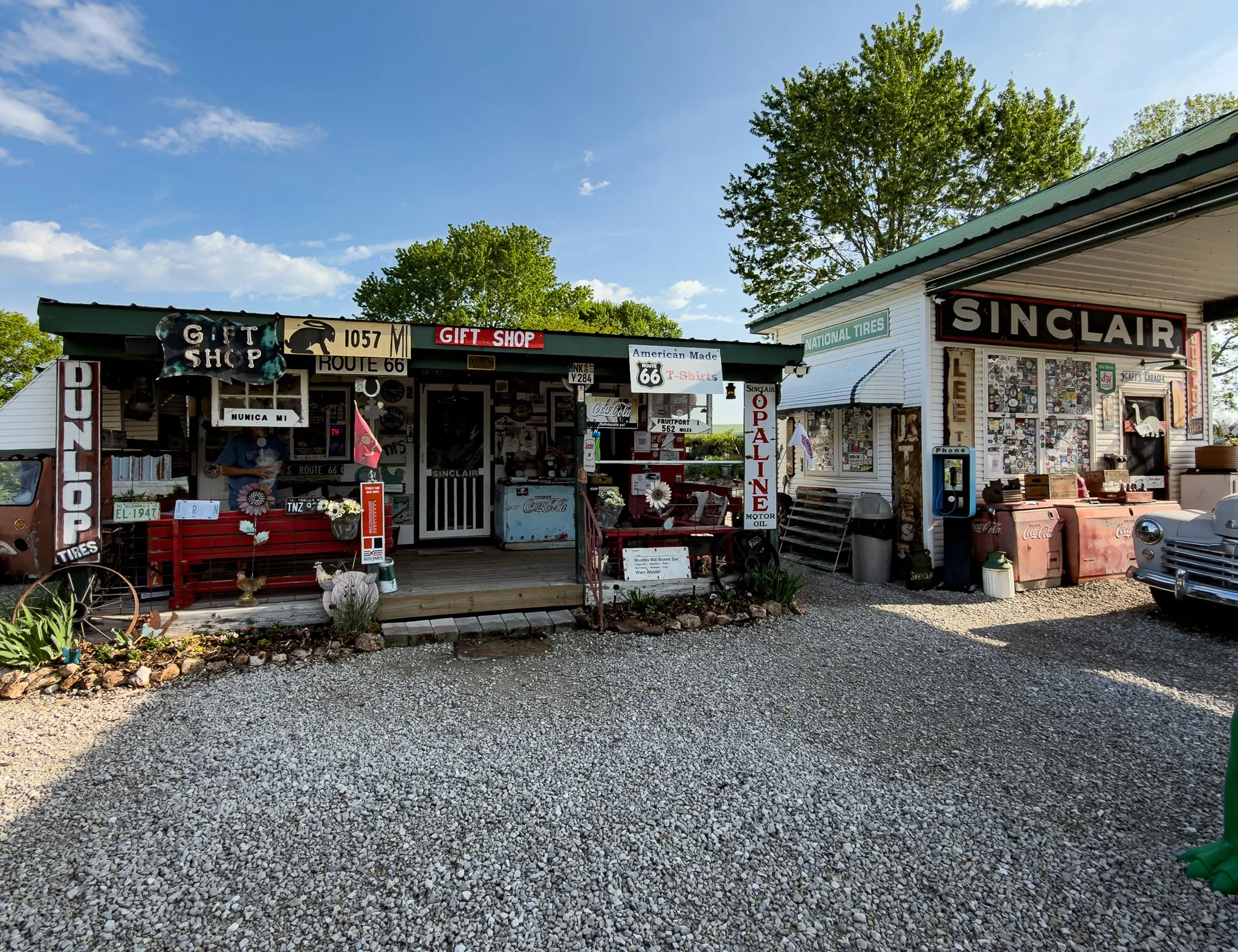
Gary died 11 years ago, but his daughter and son-in-law run the place today. We met his son-in-law George and he is an incredibly happy, pleasant and enjoyable character who has just the perfect personality to keep this place alive!
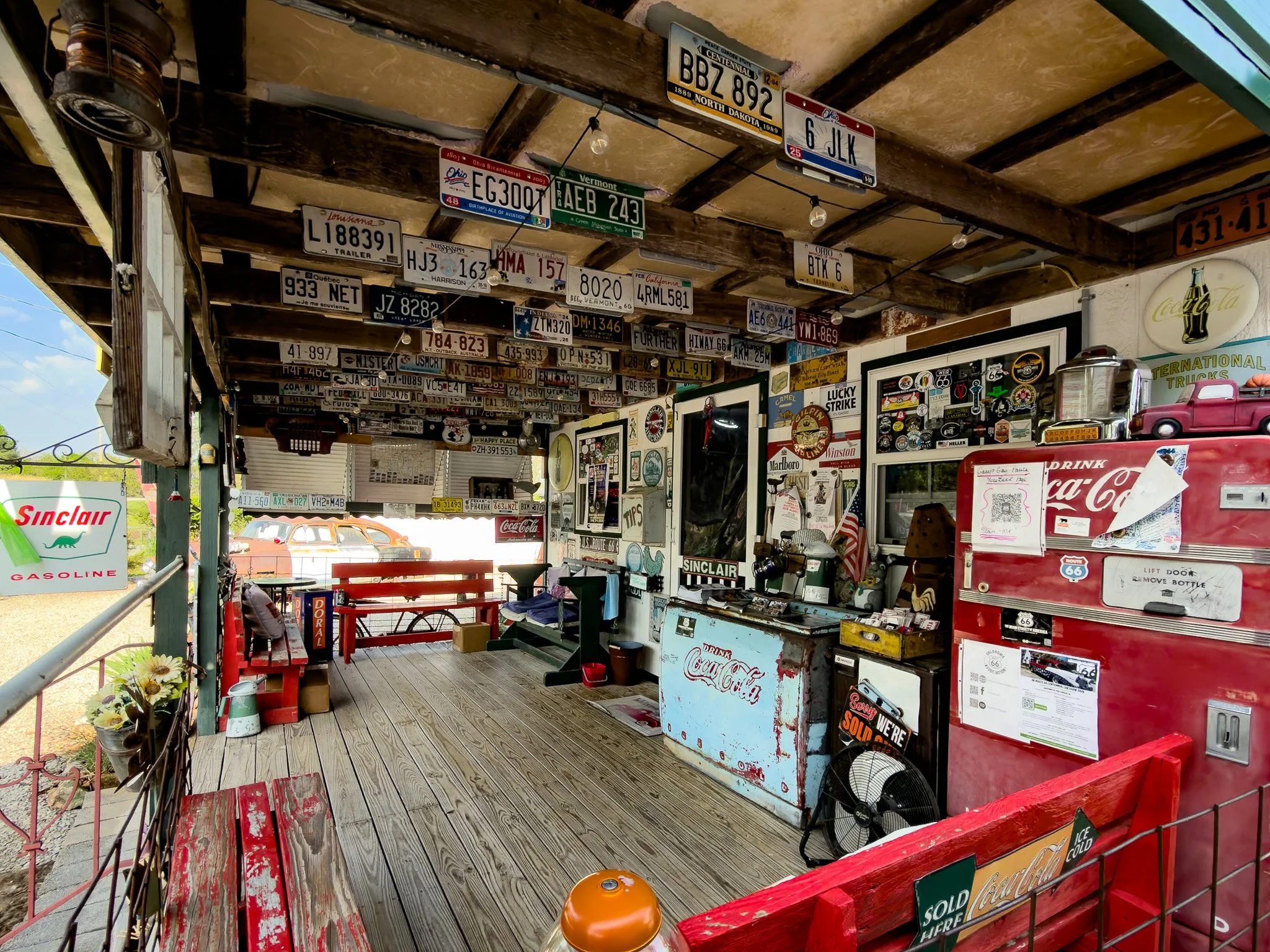
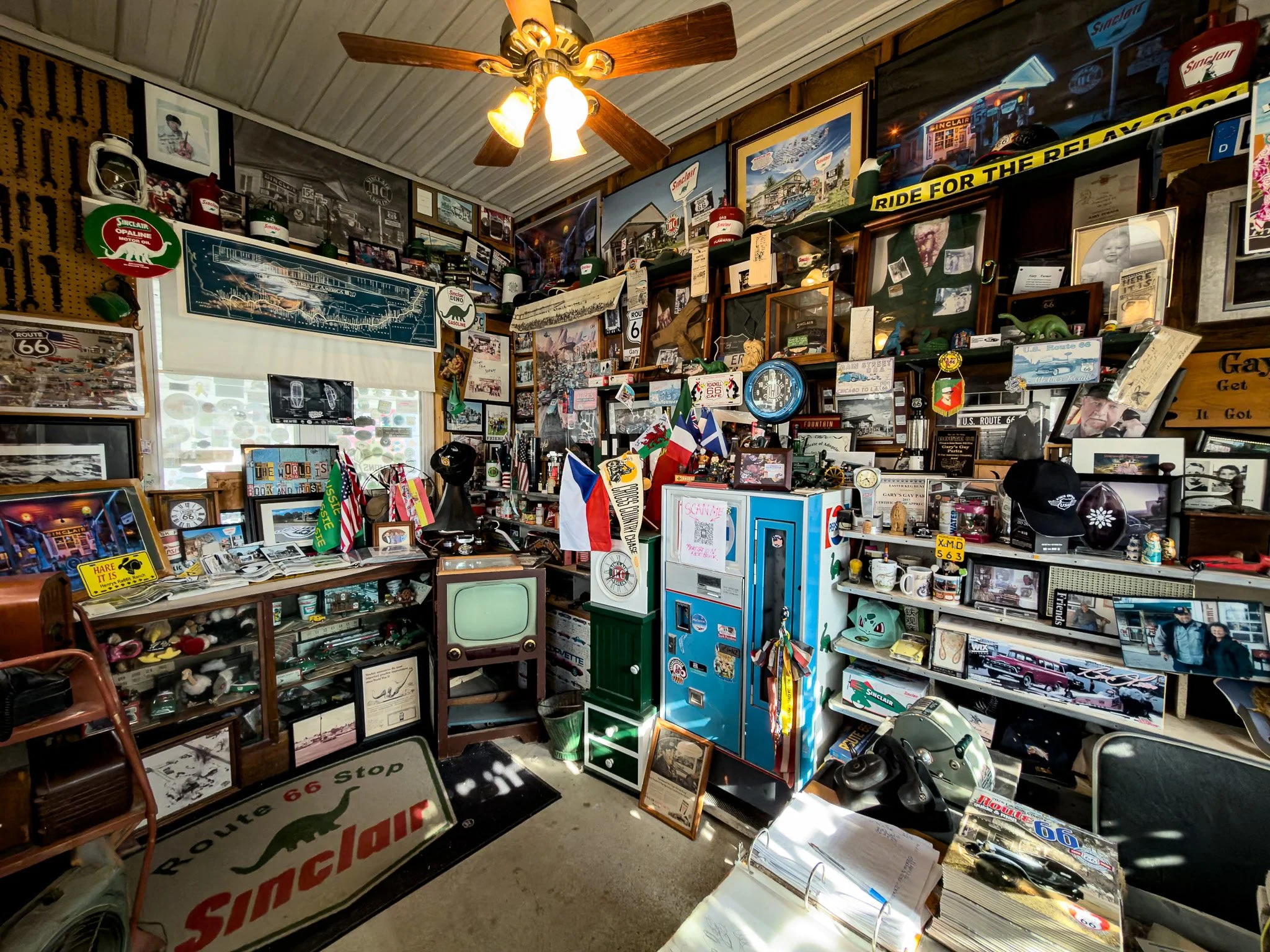
This was Gary’s office and we are led to believe it has not changed significantly since the day he left this earth.
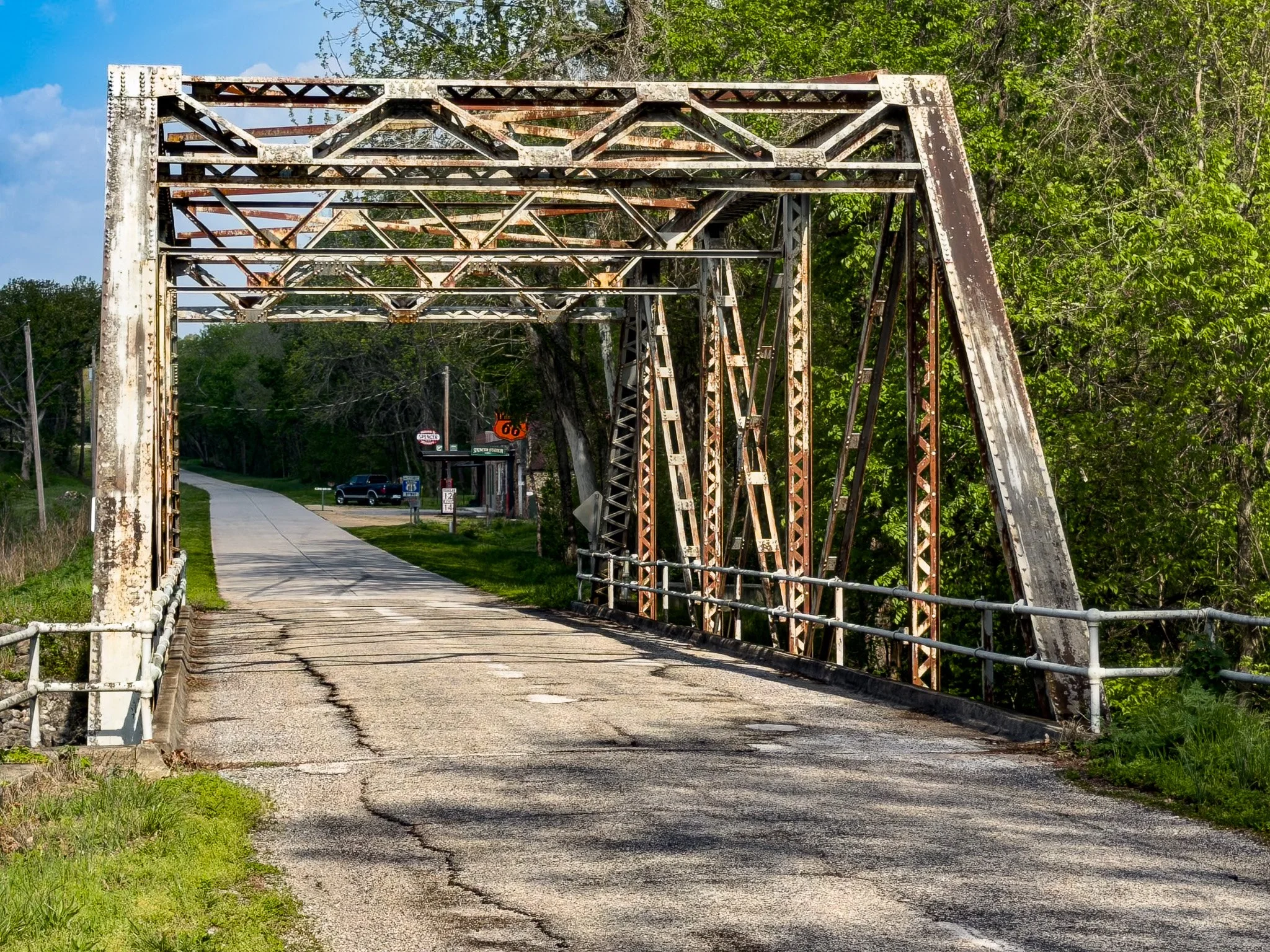
After leaving Gary’s we traveled down this portion of original 1926 Route 66 to Spencer Station up ahead on the right.
Click on Image for Map.
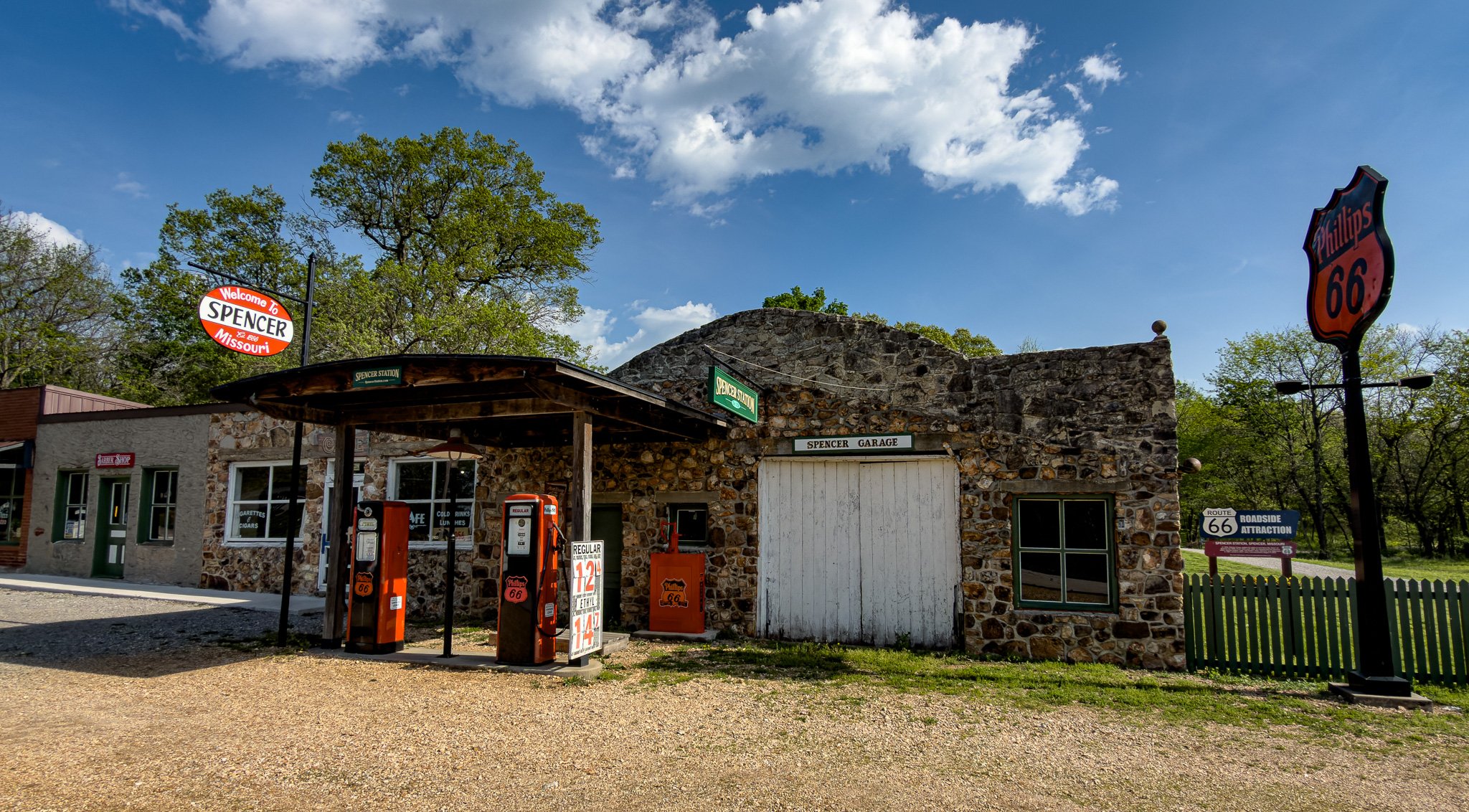
This is Spencer Station and when we walked in we met Ed, the owner who is in the process of completely renovating this old relic. Ed is from Chicago and has a background in construction. He is doing all the restoration himself and he is doing what appears to be an incredible job. Although it is not complete, he shared his vision with us and we have every reason to believe that the next time we do this it will be a finished project.
Click on Image for Map.
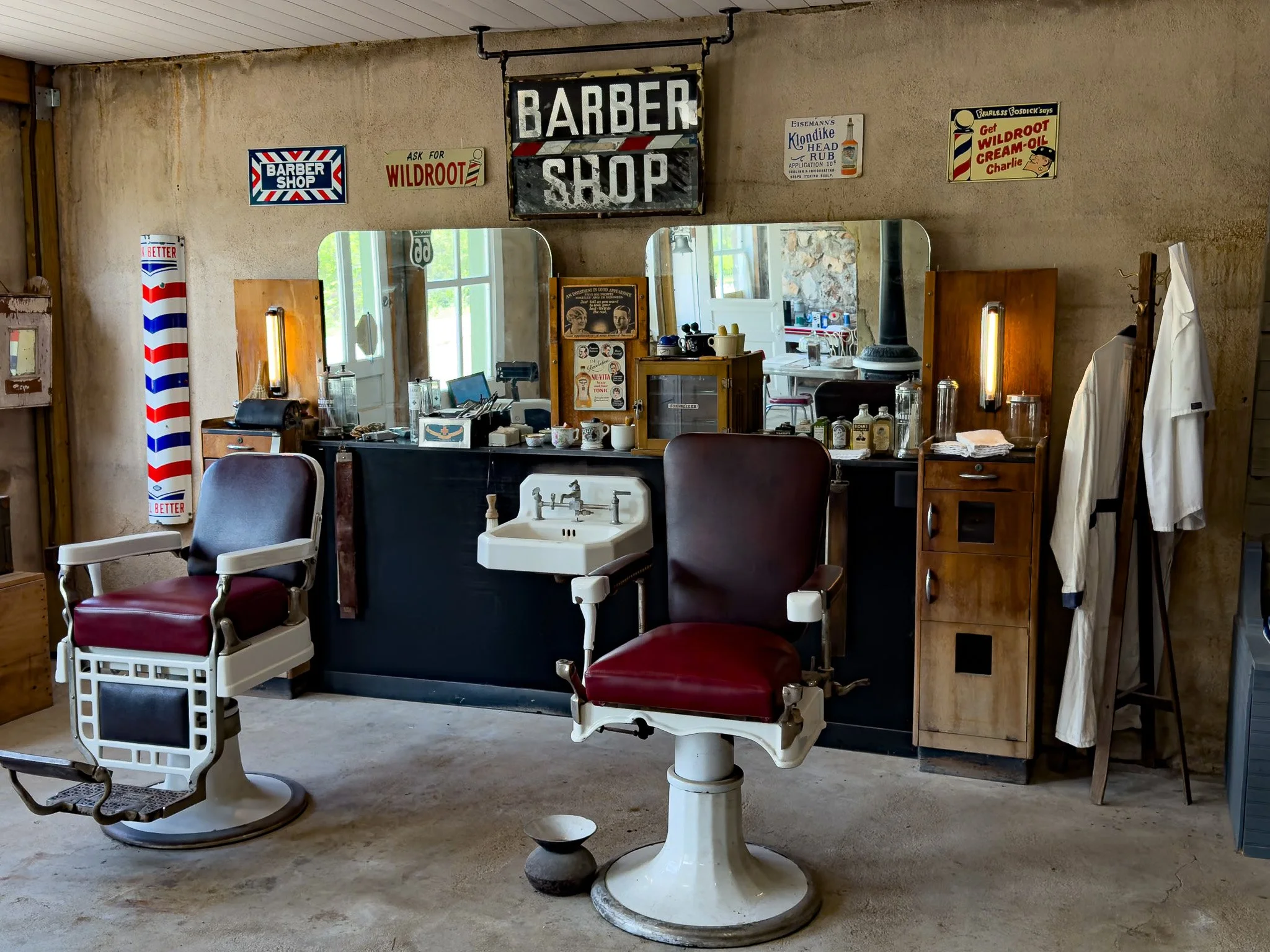
There will be three sections, one as a diner, one as an old barber shop and the third is a general store portion.
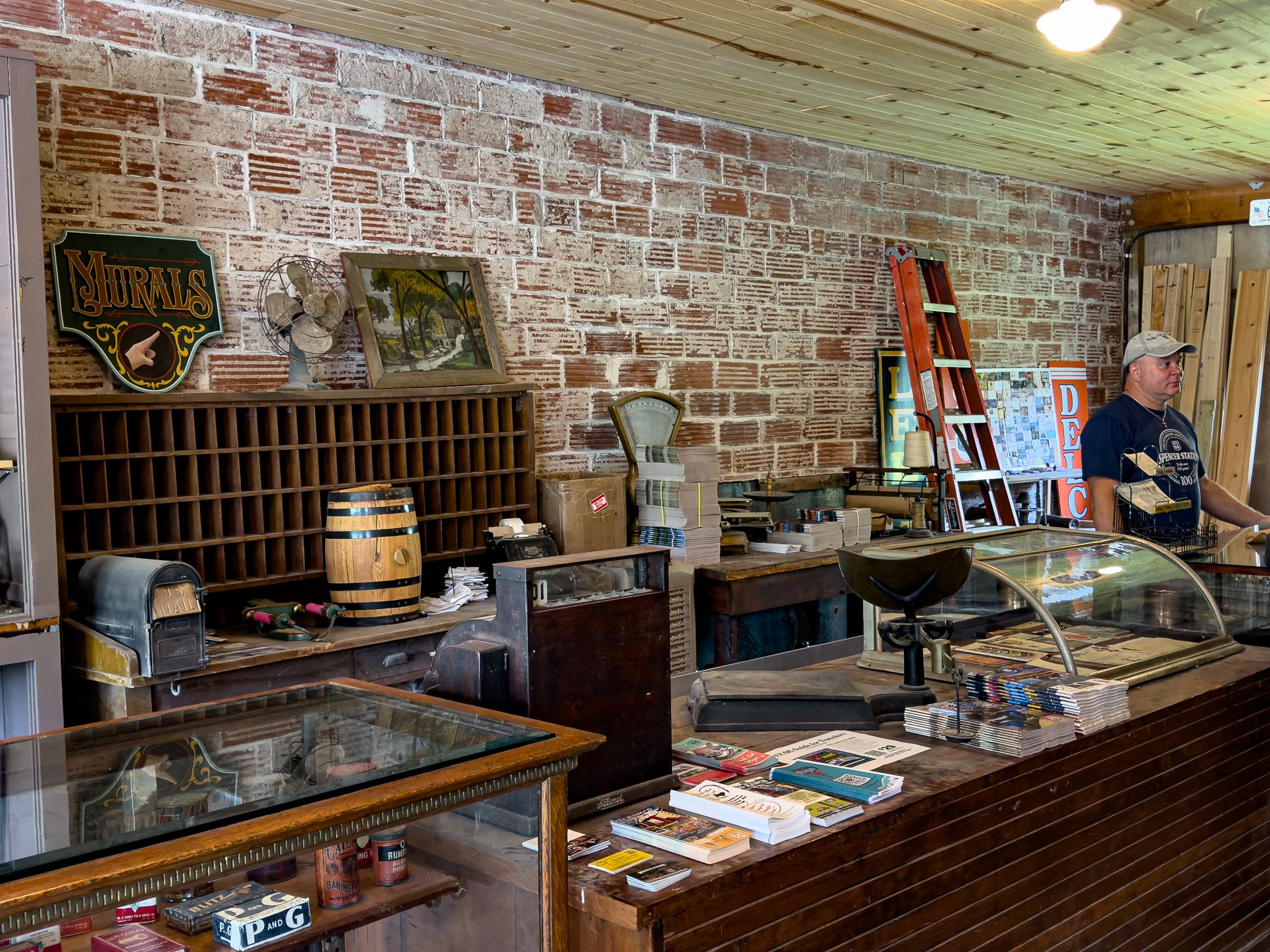
This is Ed on the right of this image. Another incredibly nice and friendly person on Route 66.
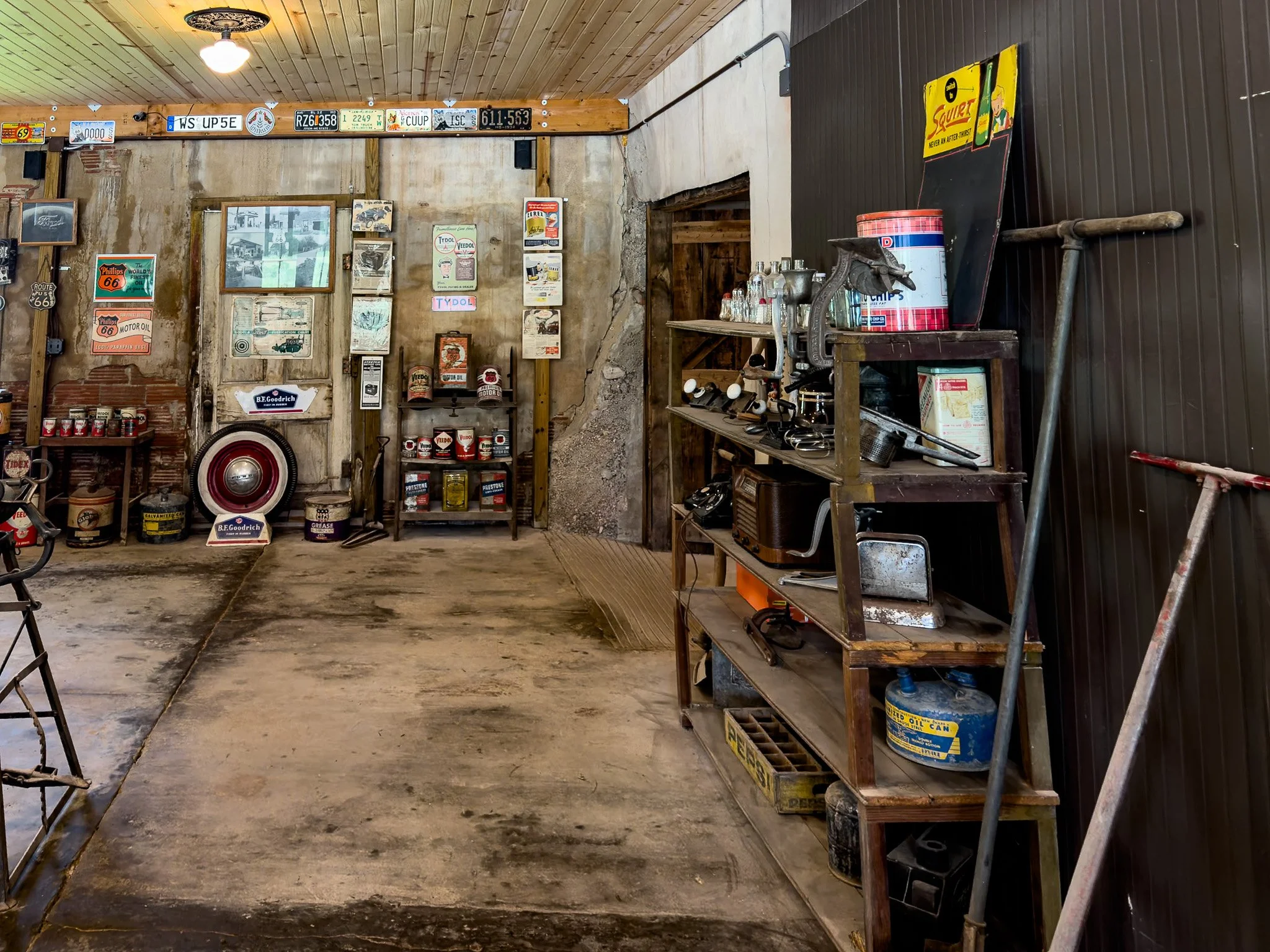
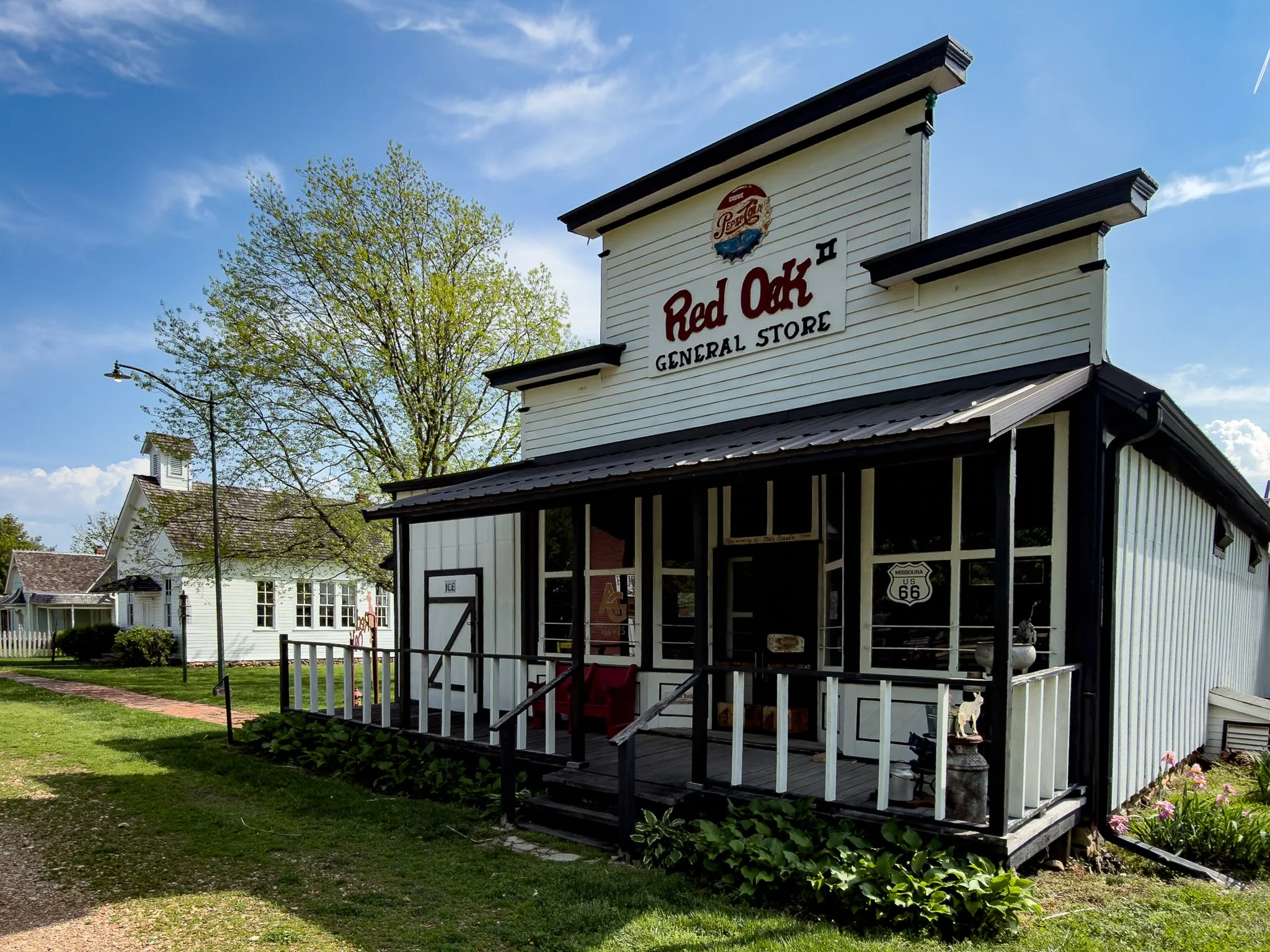
Our next stop was the “town” of Red Oak II.
Continuing on the theme of strange but incredibly fascinating, Red Oak II is part transplanted town, part nostalgic art exhibit, and part actively lived-in community. These next several images are from the town of Red Oak II.
Click on Image for Map.
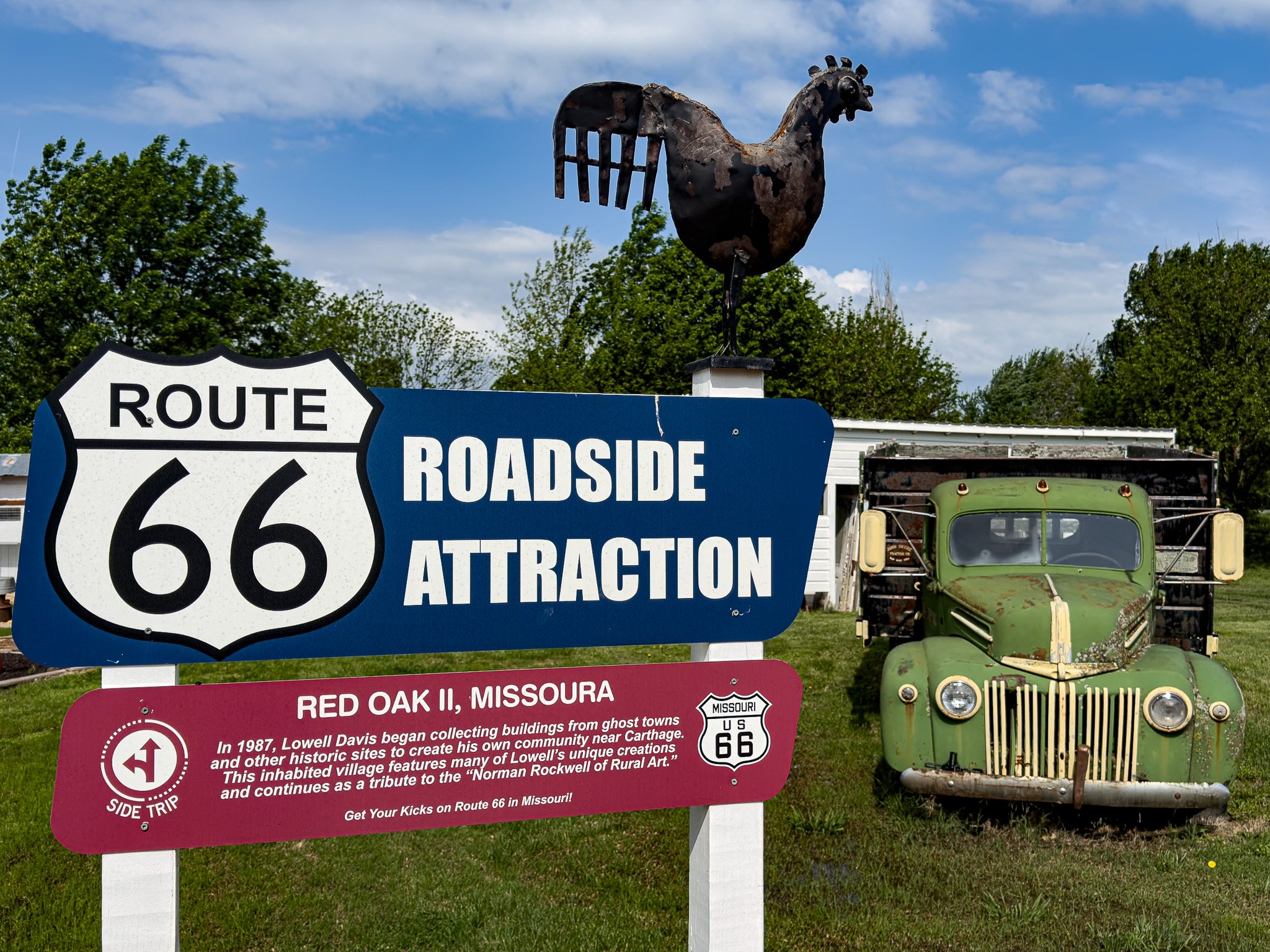
From ChatGPT:
Red Oak II is a unique artist-created community just off Route 66 in southwest Missouri. Conceived by artist Lowell Davis, it recreates a nostalgic early-20th-century rural town using original buildings moved from his abandoned hometown. The site blends open-air museum, folk art installation, and private residences, featuring a general store, schoolhouse, church, and vintage gas station. Brightly painted structures, sculptures, and antique vehicles give it a whimsical, lived-in feel. Though often called a ghost town, it remains an active, privately owned community that welcomes respectful visitors.
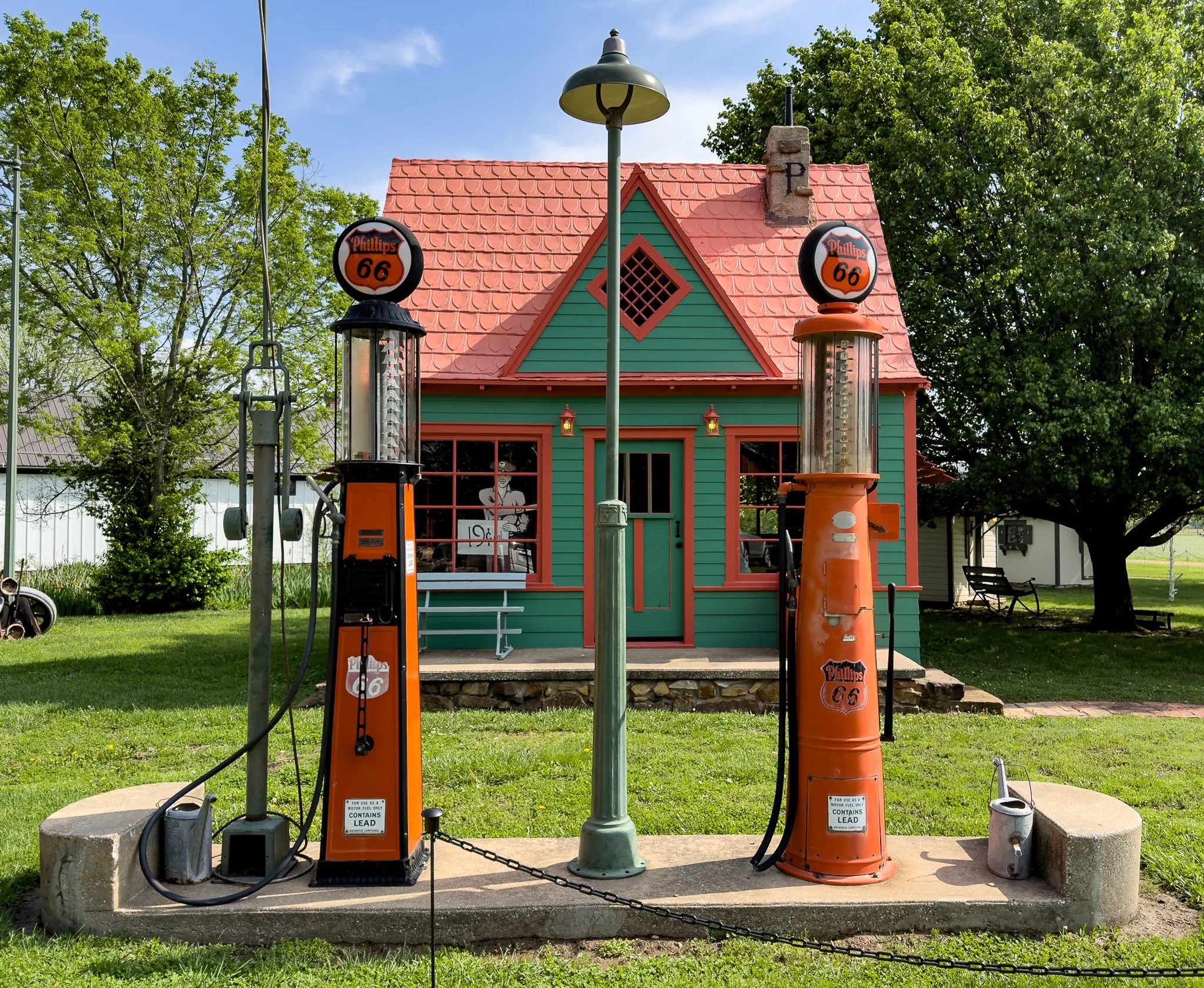
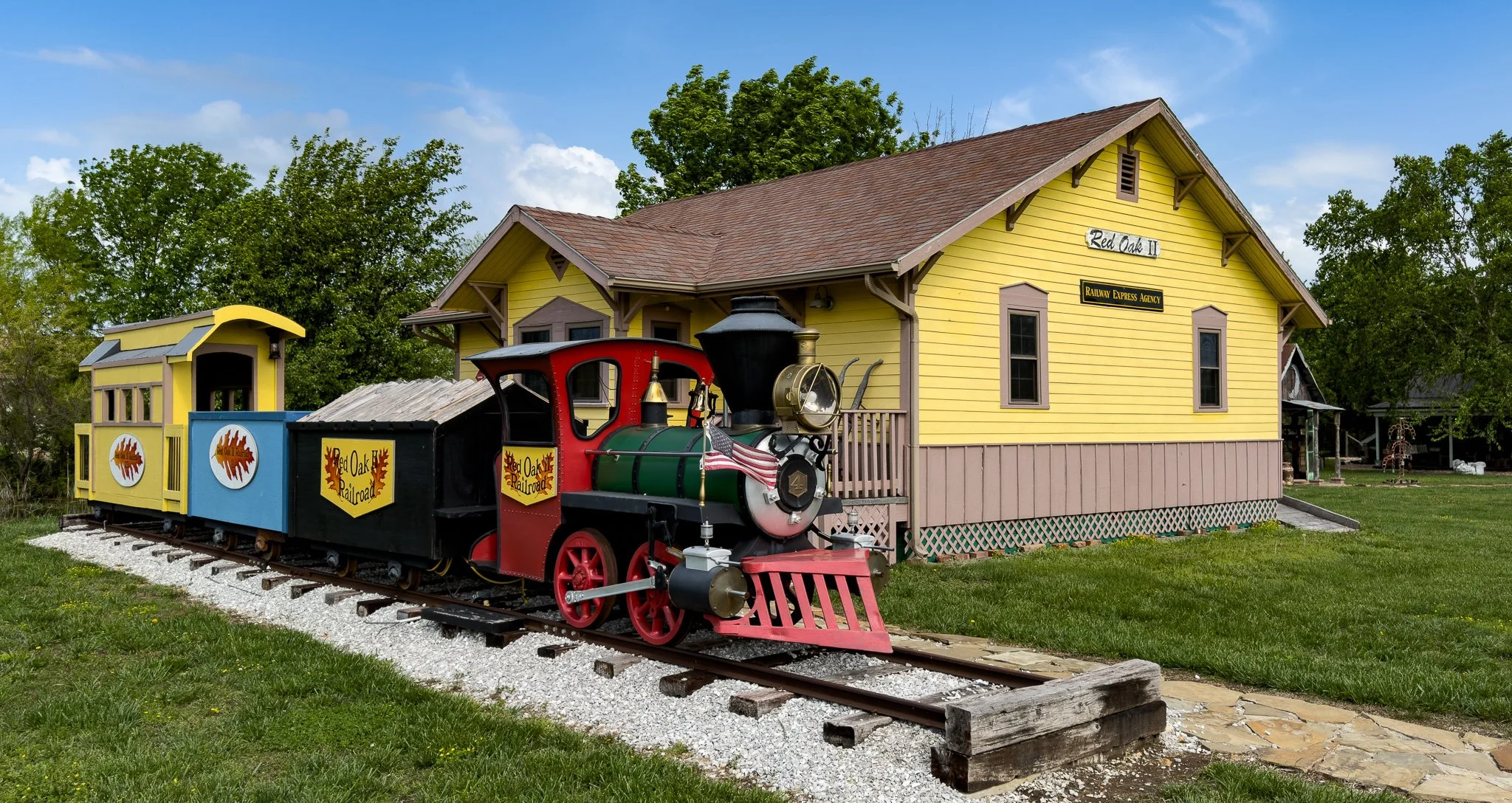
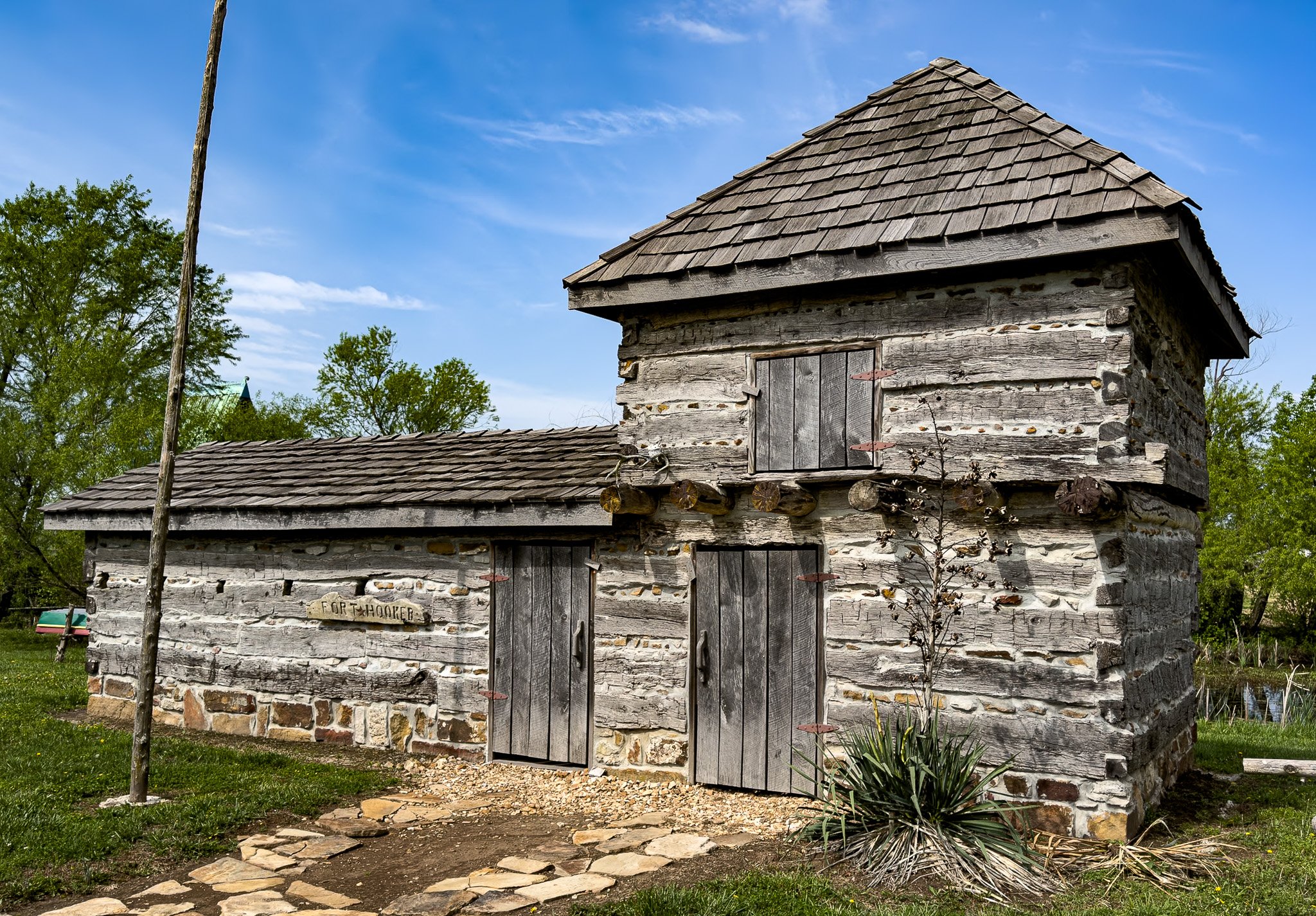
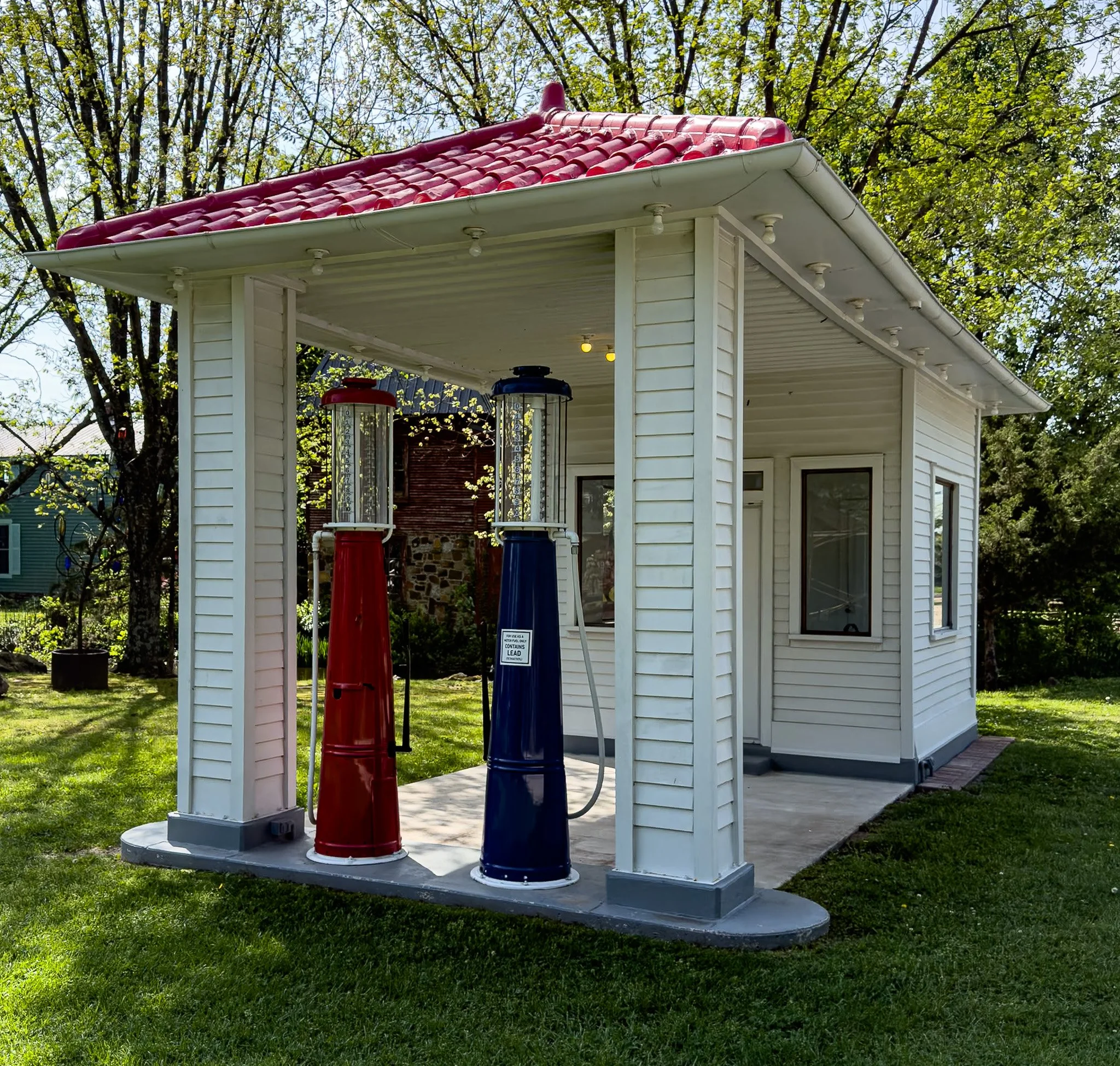
In addition to the General Store, Train Depot, and Service Station - Red Oak II also has a fort!
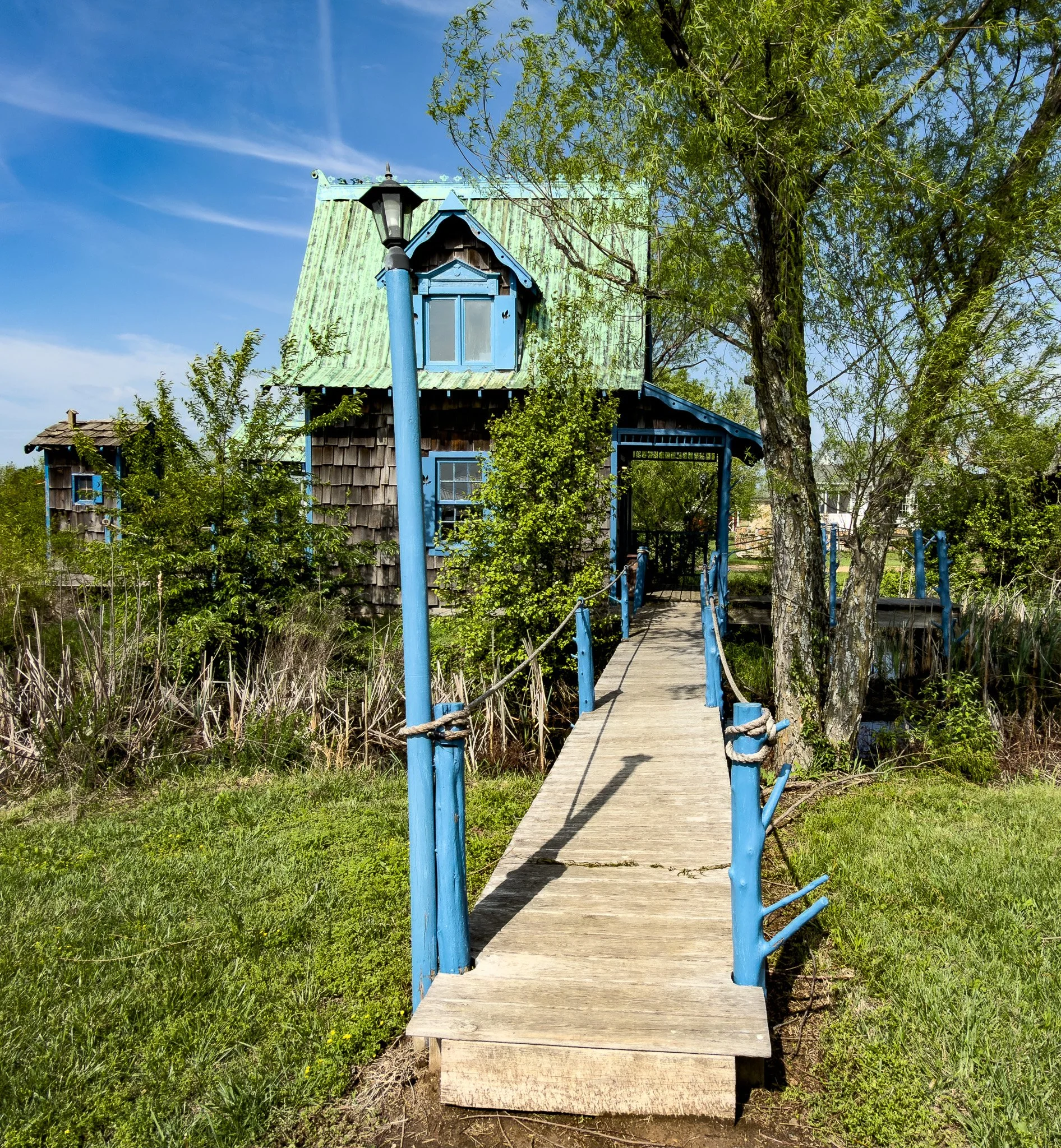
This was called the Mother-In-Law house.
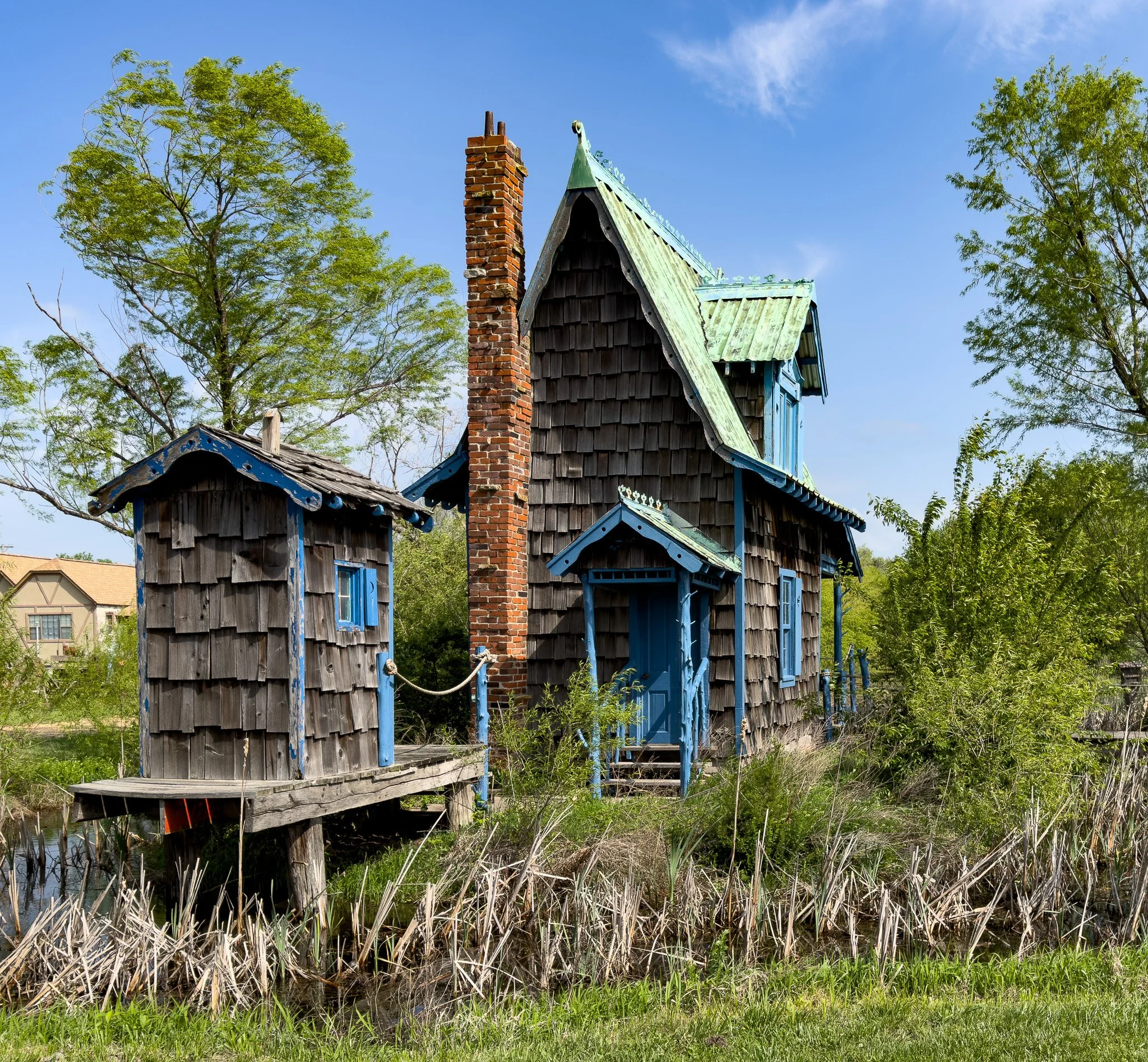
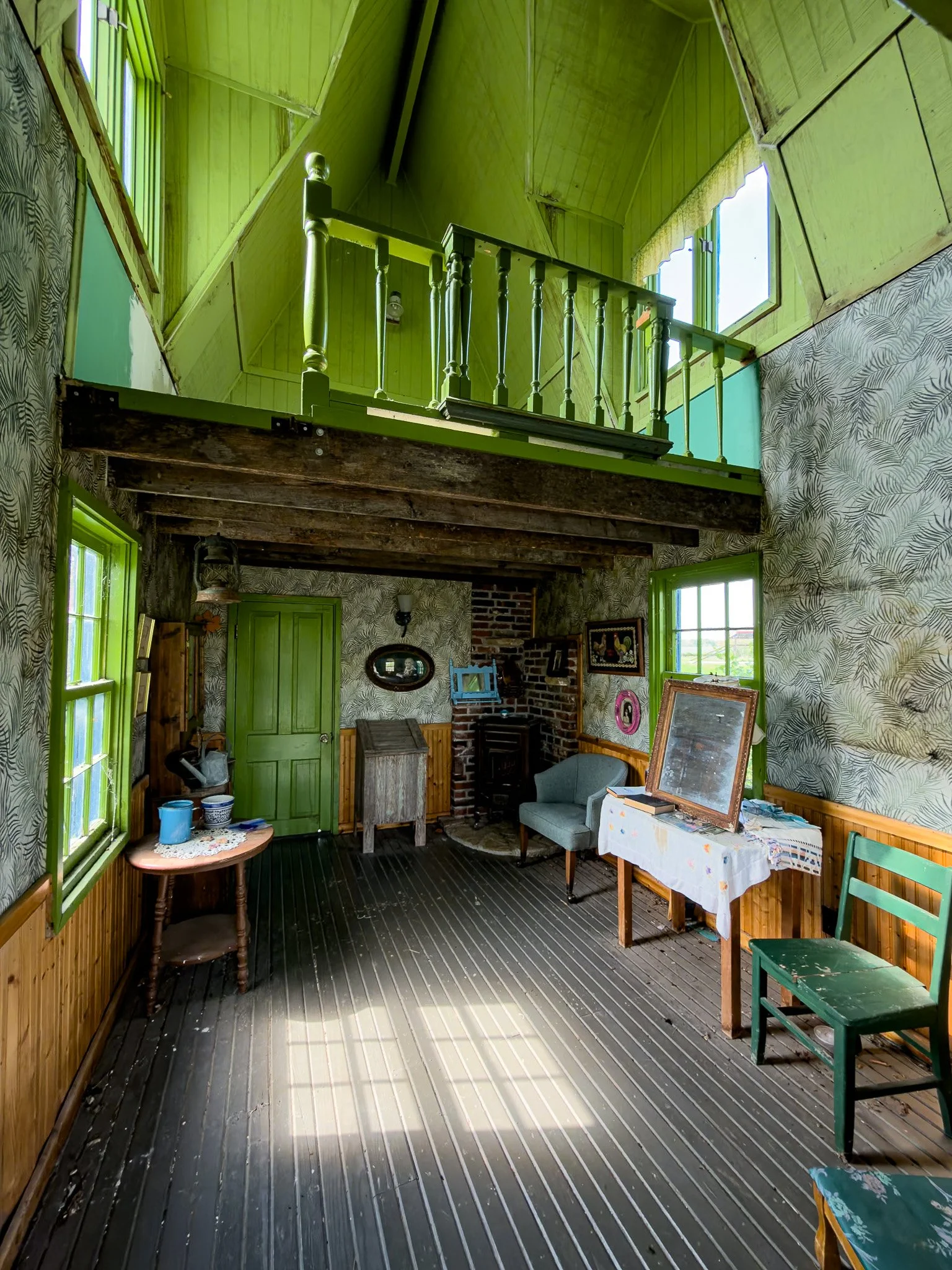
This is the interior of the Mohter-In-Law house.
From ChatGPT:
It’s formally known as the Otis Cabin / Mother-in-Law’s House, and it was built in 1993 by artist Lowell Davis. Unlike many buildings at Red Oak II that were moved from the original town, this one was newly constructed as a kind of tongue-in-cheek attraction.
The idea was intentionally humorous: guests staying in the nearby houses could put their mother-in-law in this tiny separate cabin, then “raise the drawbridge” and enjoy some peace and quiet. The structure originally had a moat and drawbridge, emphasizing the joke.
Today, the drawbridge is just a walkway, and the building has been renamed “Otis Cabin” after a resident bullfrog in the nearby pond—but it remains one of the most memorable and photographed features of Red Oak II.
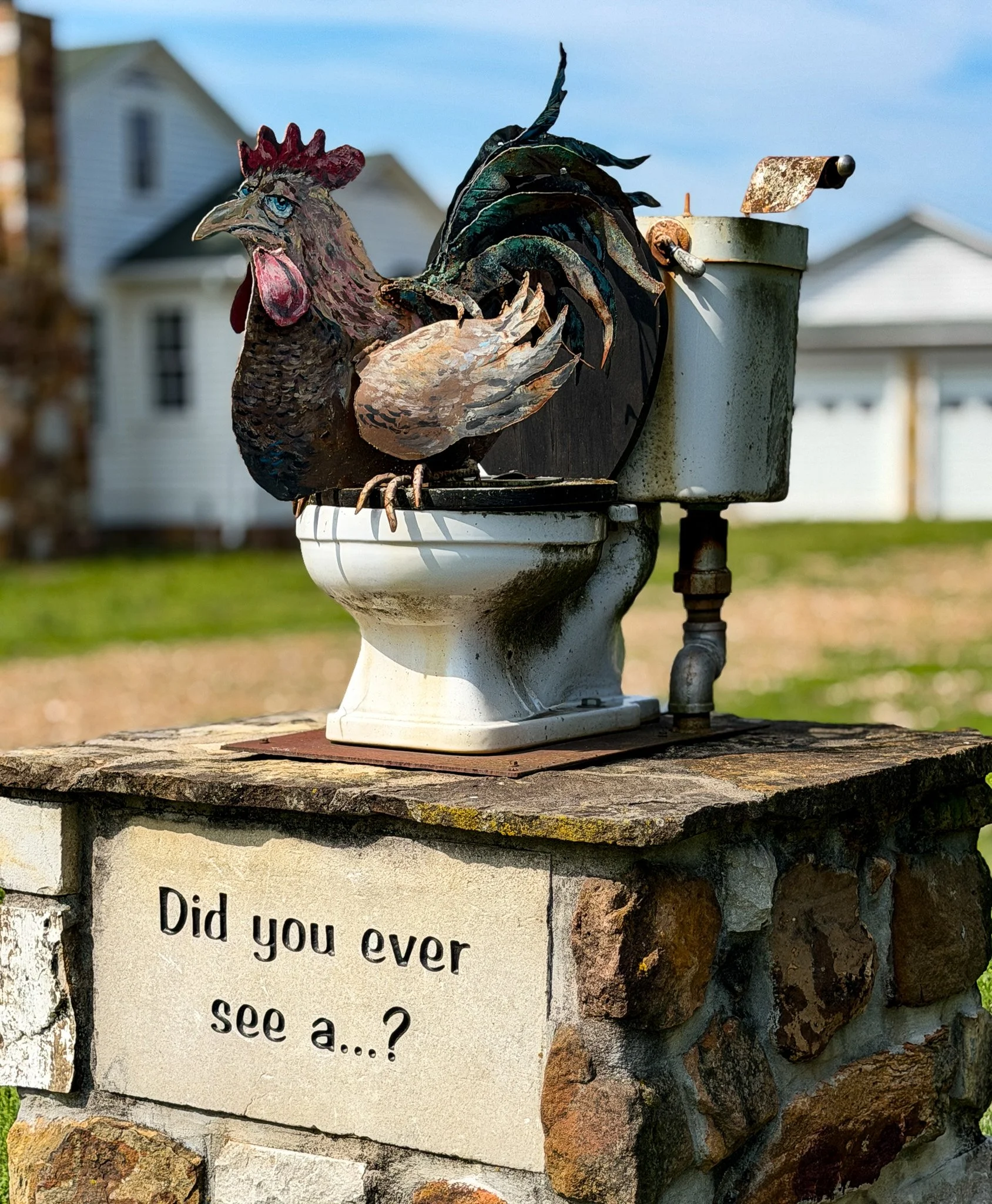
Okay, Lisa and I honestly can’t figure this one out. Any assistance would be appreciated here. All we could come up with was … chicken shit - but that doesn’t seem right.
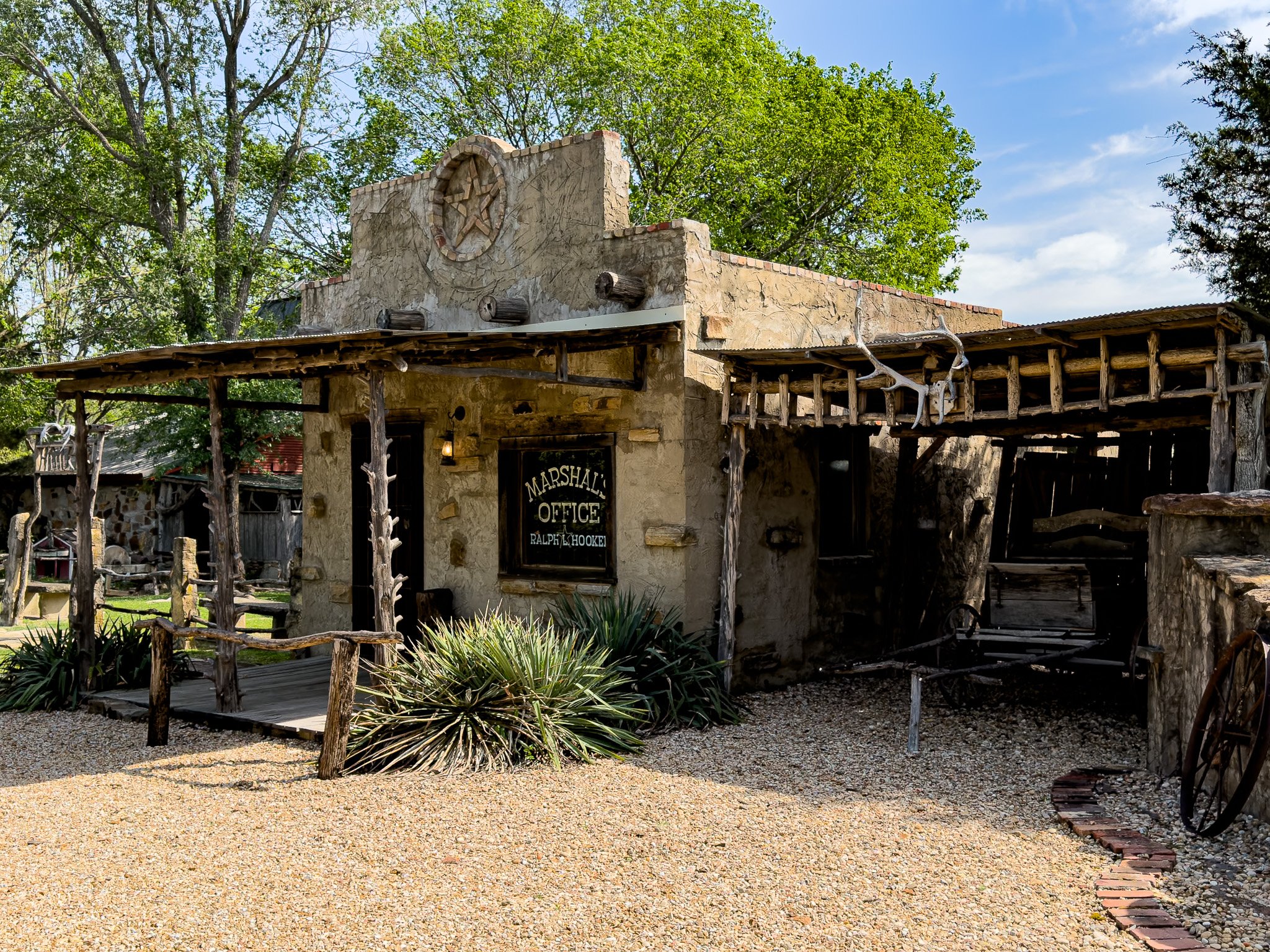
Red Oak II Marshal’s Office.
This one Lisa and I did get, and found it both hilarious and true….
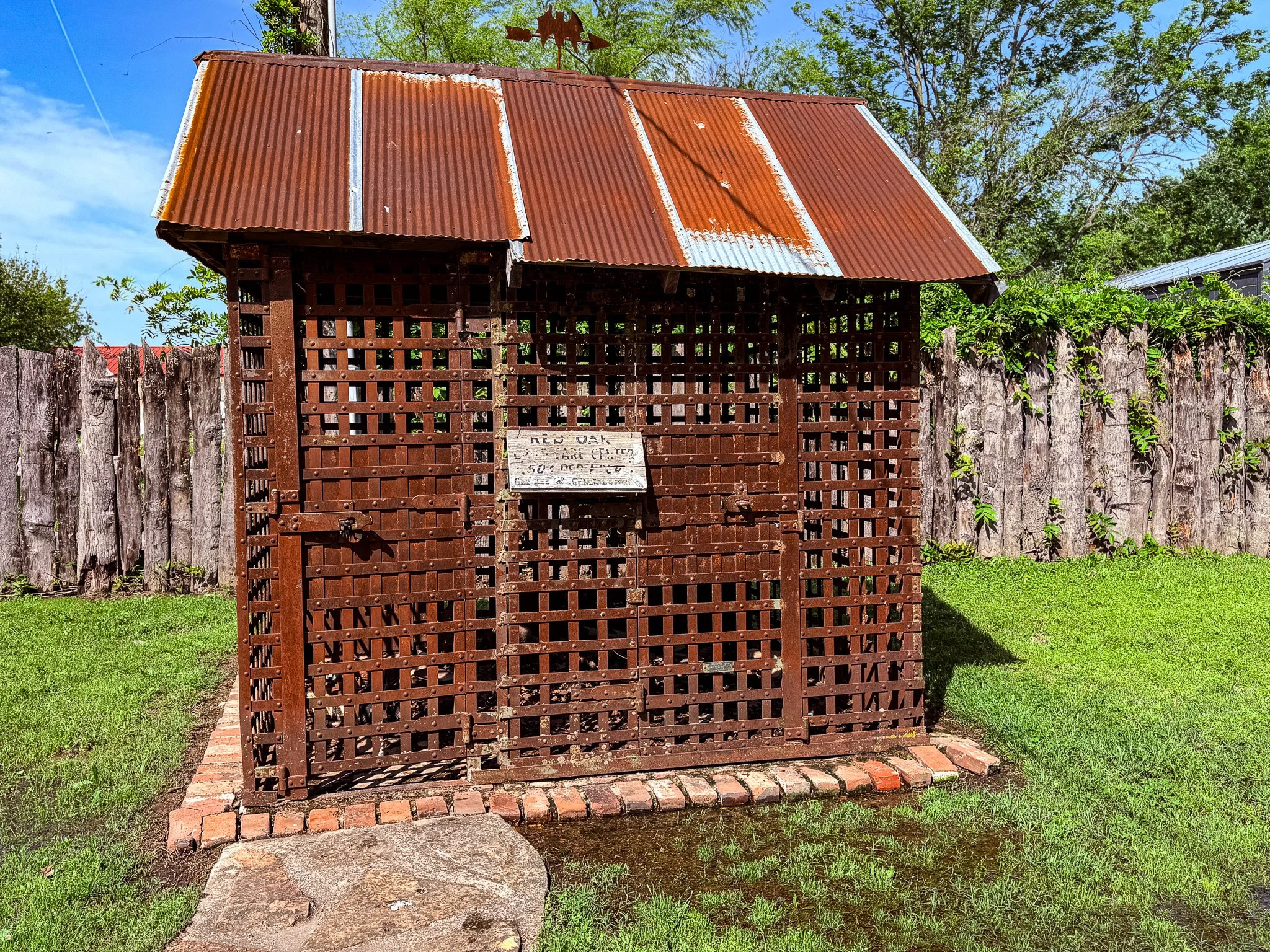
This is directly across from the Marshal’s Office, so one would assume it is yet another penal institution/jail cell. However, the faded sign on this metal “cage” reads Red Oak Daycare Center, fifty cents per hour!
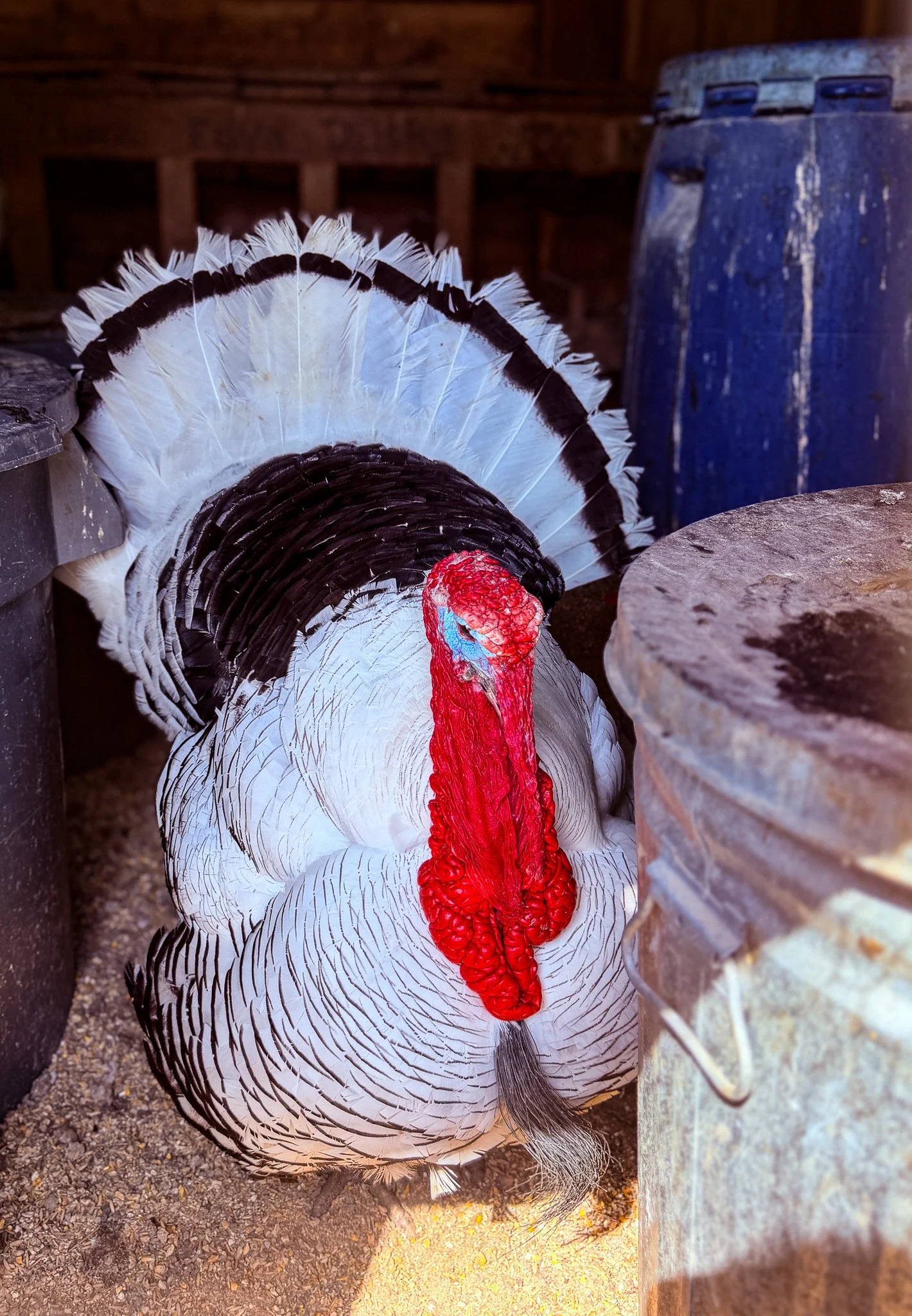
Red Oak II also have real livestock.
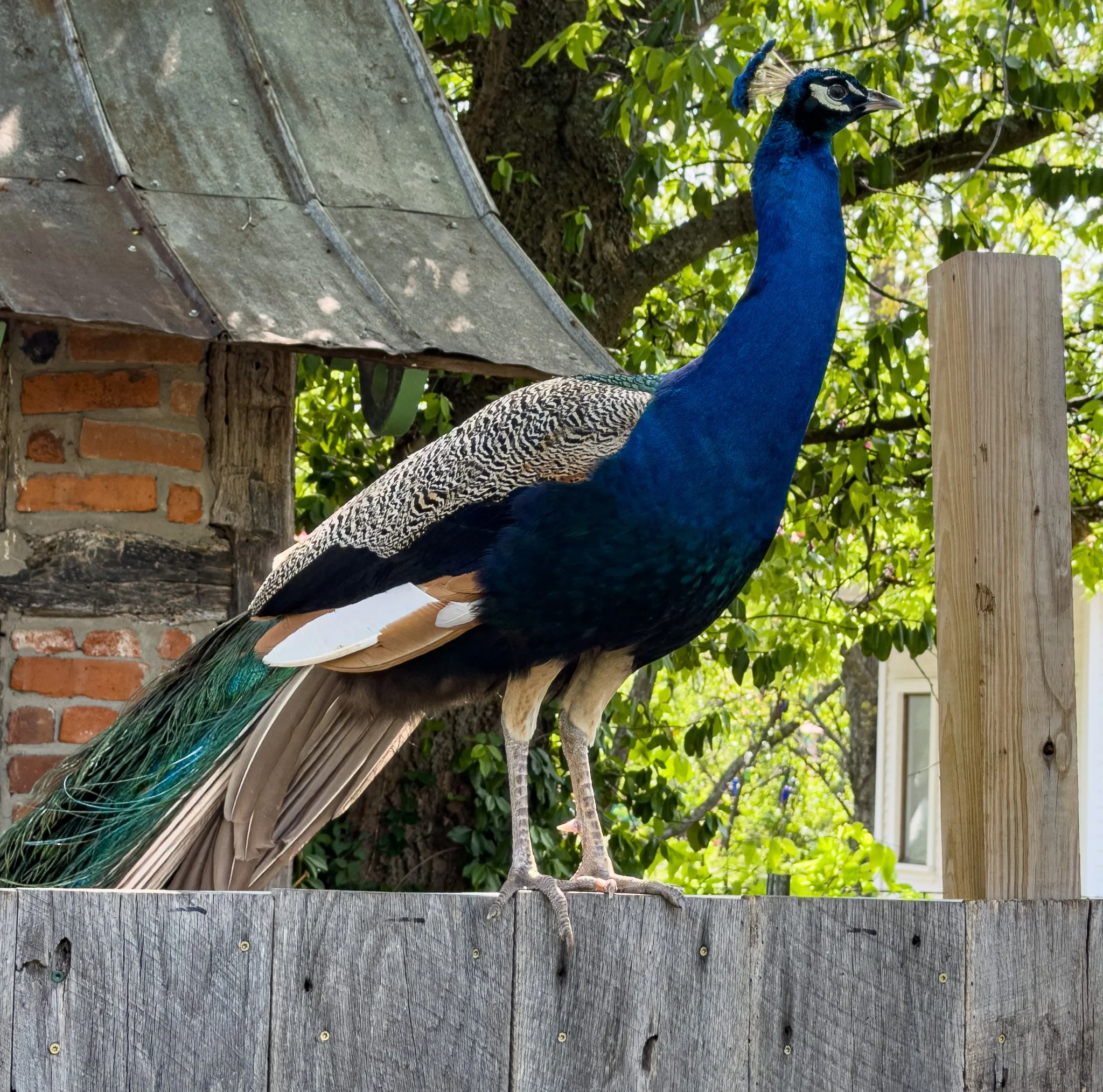
As soon as we stepped out of the car at Red Oak II we heard this awful screeching sound that seemed like part prehistoric animal and part human being tortured. We both stopped in our tracks and listened and simultaneously looked at each other and in unison said…. “Peacocks!!” So, when we happened upon these fellows we knew it was coming.
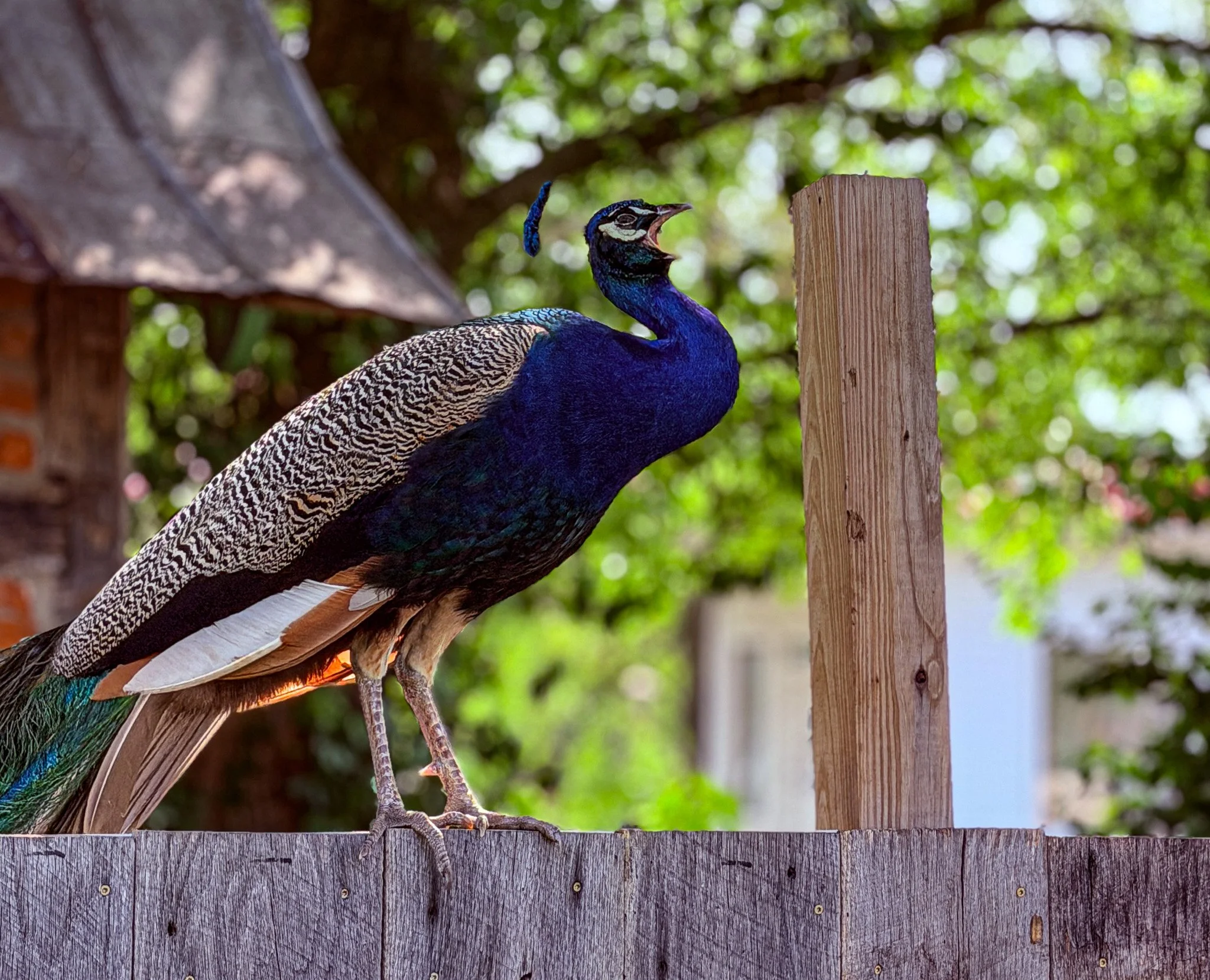
You might look at these beautiful birds and think, it sure would be nice to have some walking around our neighborhood. You won’t think that once you hear the NOISE they make. Here he is in mid-scream!
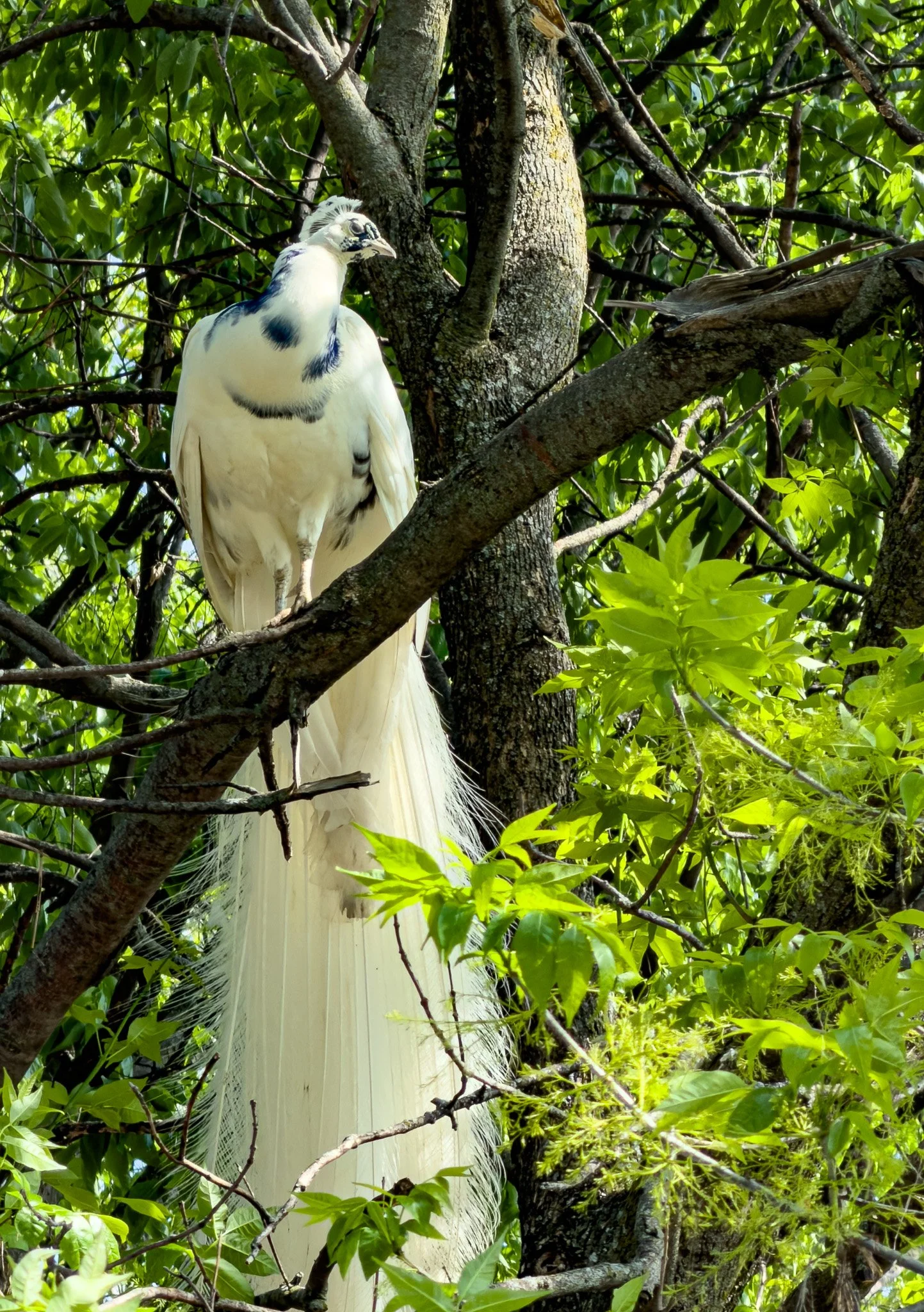
Apparently they also come in this white color. And yes, these huge suckers do fly!!
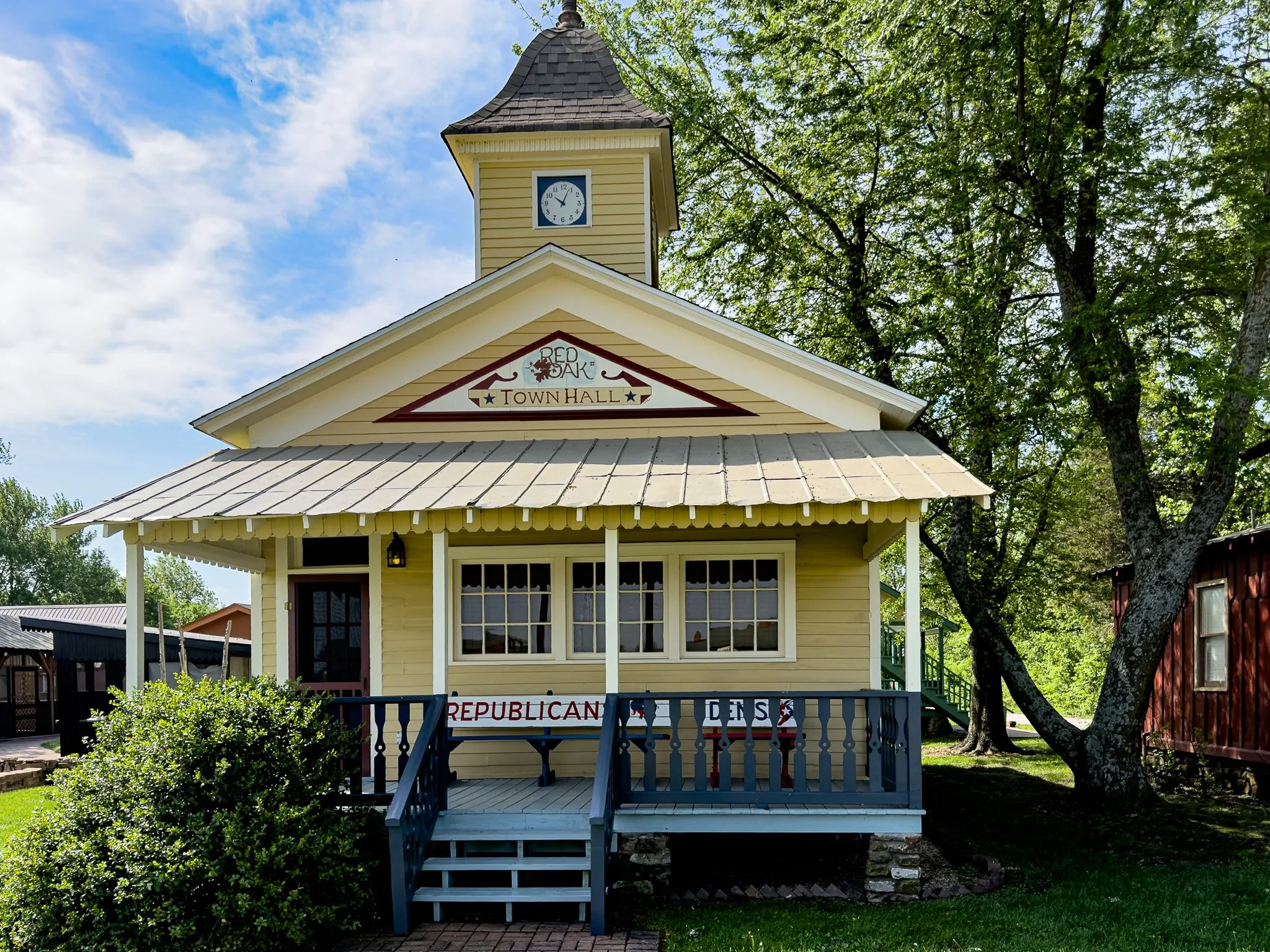
Red Oak II Town Hall.
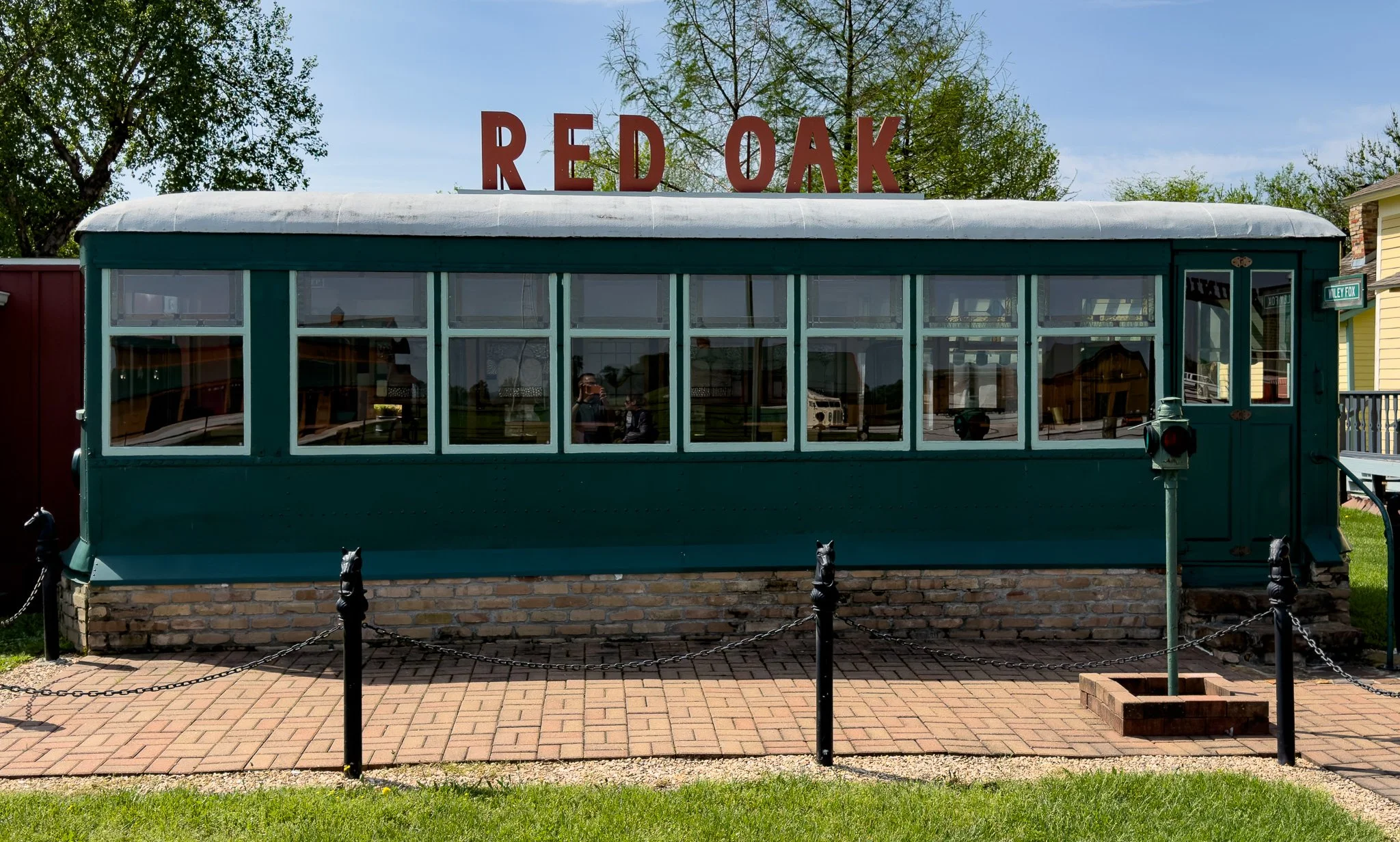
The diner.
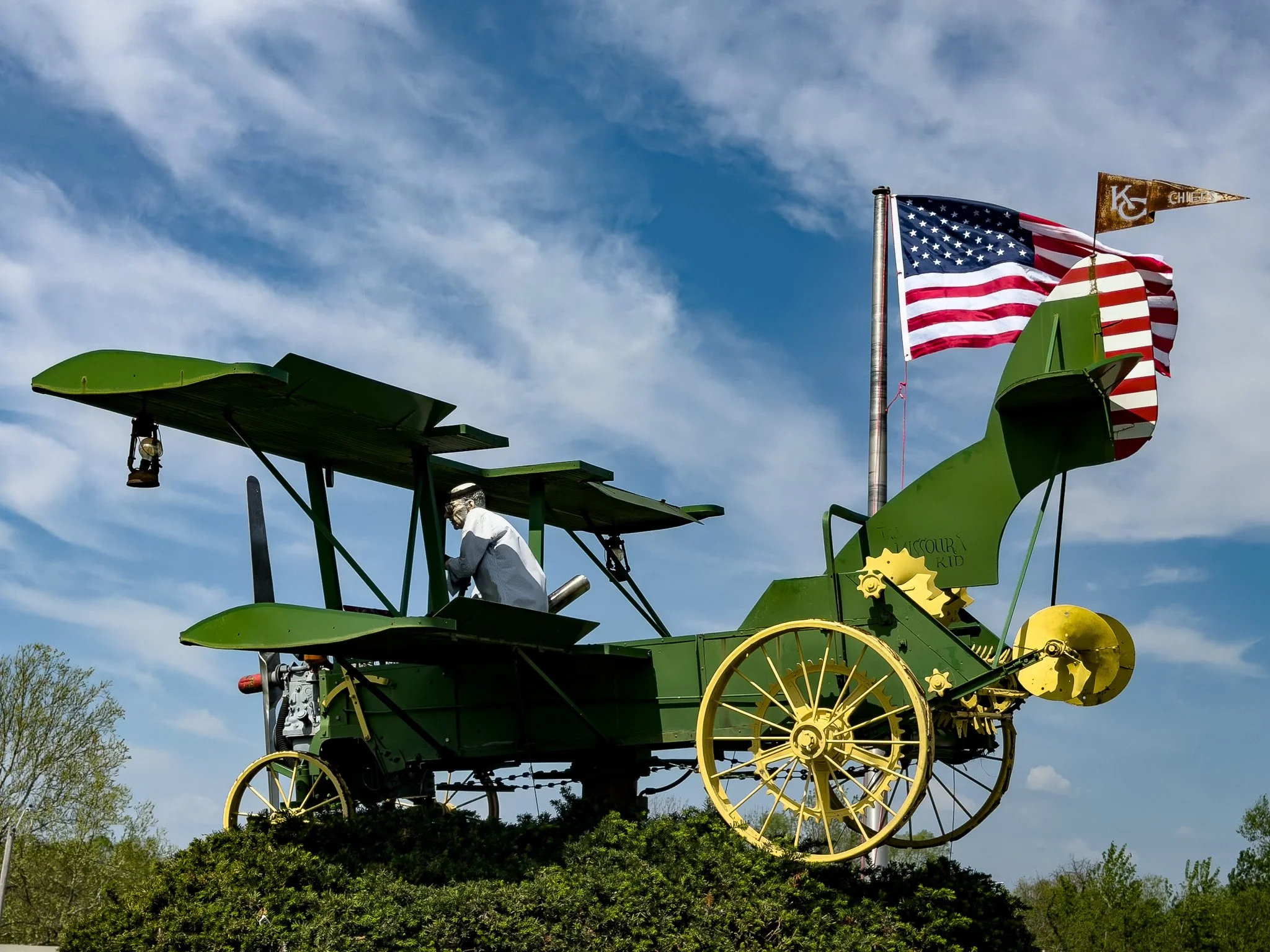
You might think, okay Red Oak II may have been a bit strange, but now that we have left there things should get back to “normal.” Well, think again, here - just north of Carthage, MO - we ran across the “Crap-Duster.” Yup, that’s right, you read it correctly - it is a flying manure spreader called the “Crap-Duster.”
Click on Image for Map.
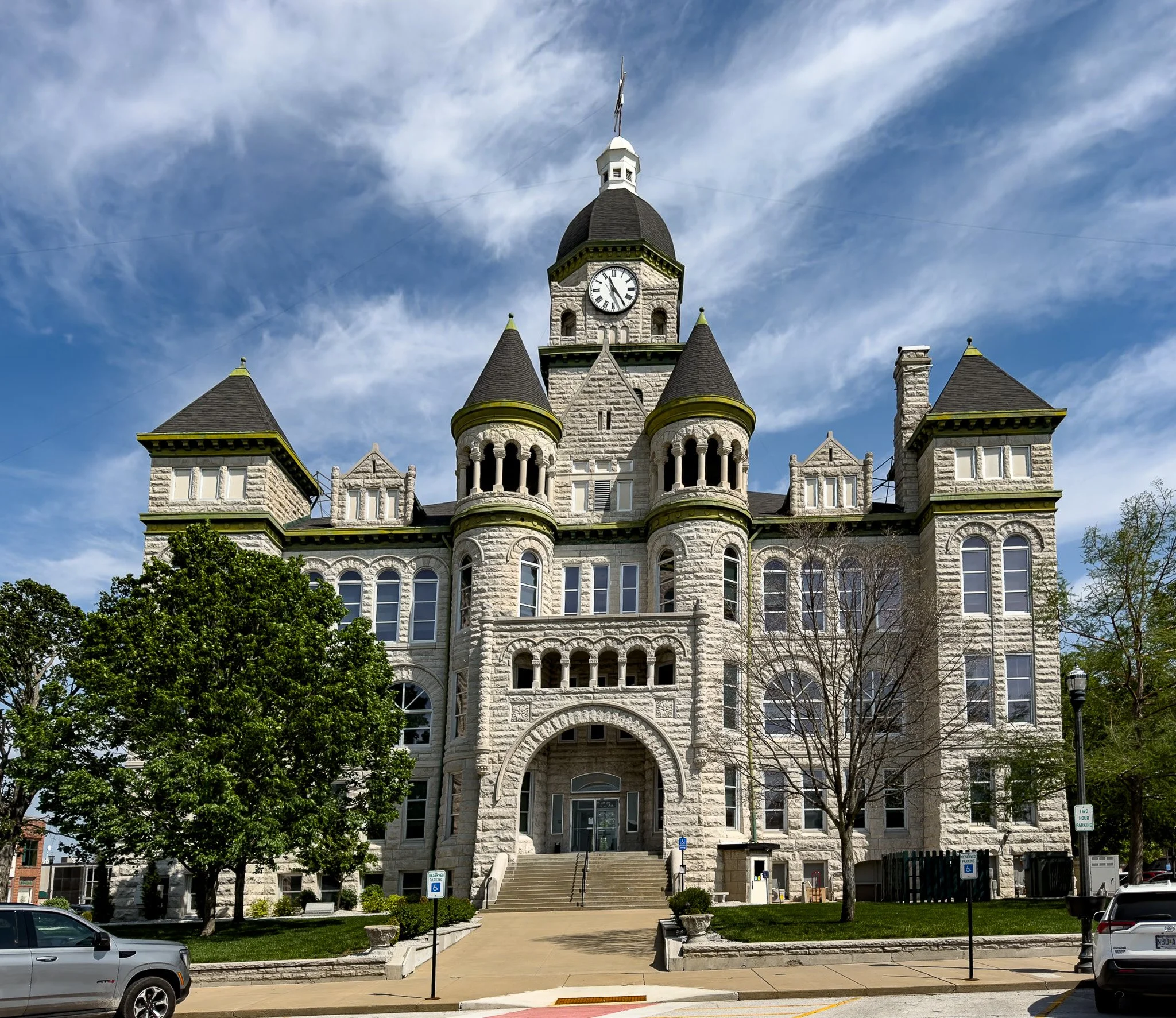
Here is Carthage, MO is the Jasper County Courthouse - a true beauty!
Click on Image for Map.
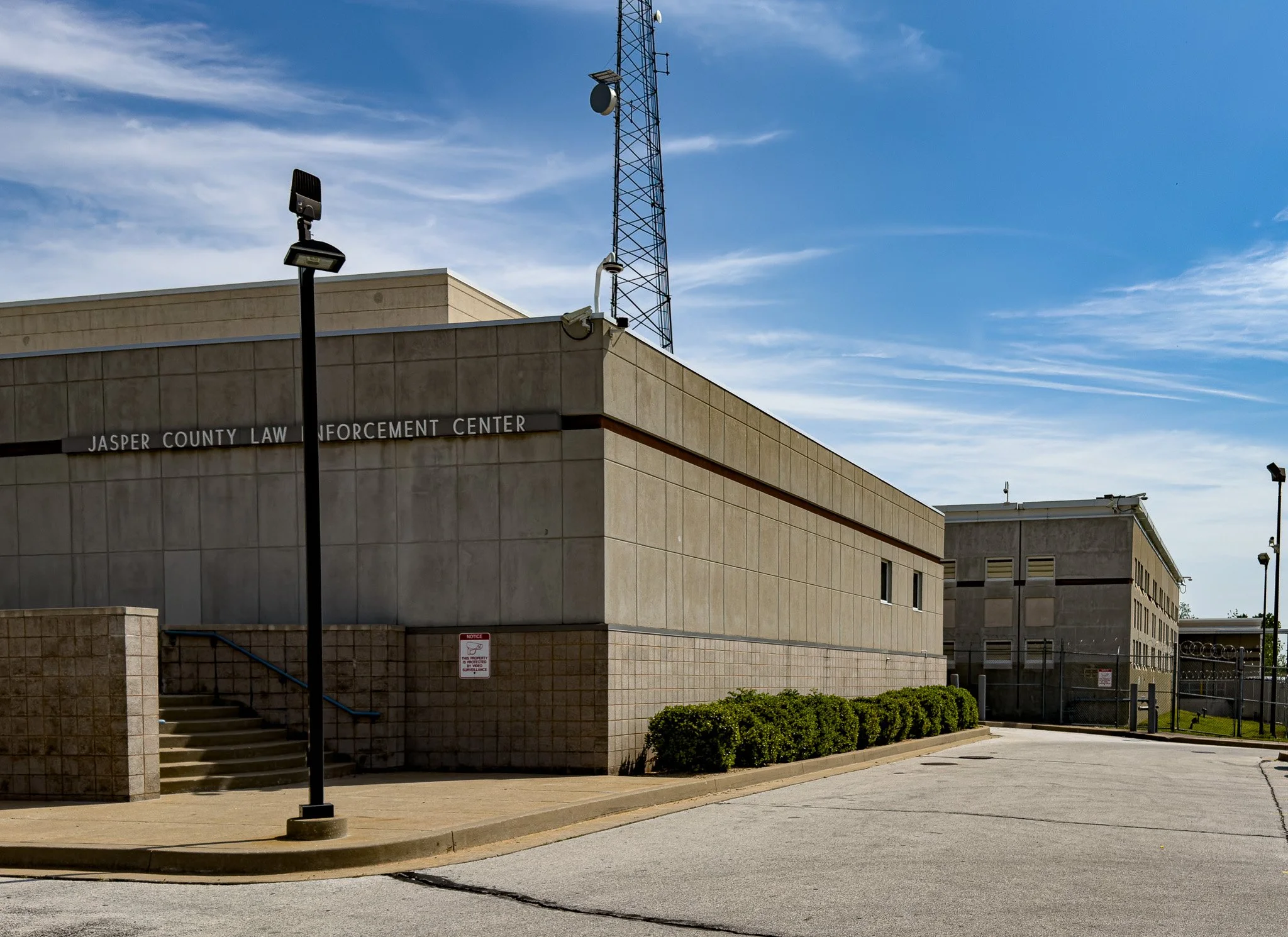
This has absolutely NOTHING to do with Route 66 whatsoever. However, if we are going to continue the theme of correctional facilities started on Day #1 of this adventure, we needed a daily dose of incarceration. So, not to disappoint, here is the Jasper County Law Enforcement Center - complete with razor wire on the far right side of the image.
Click on Image for Map.
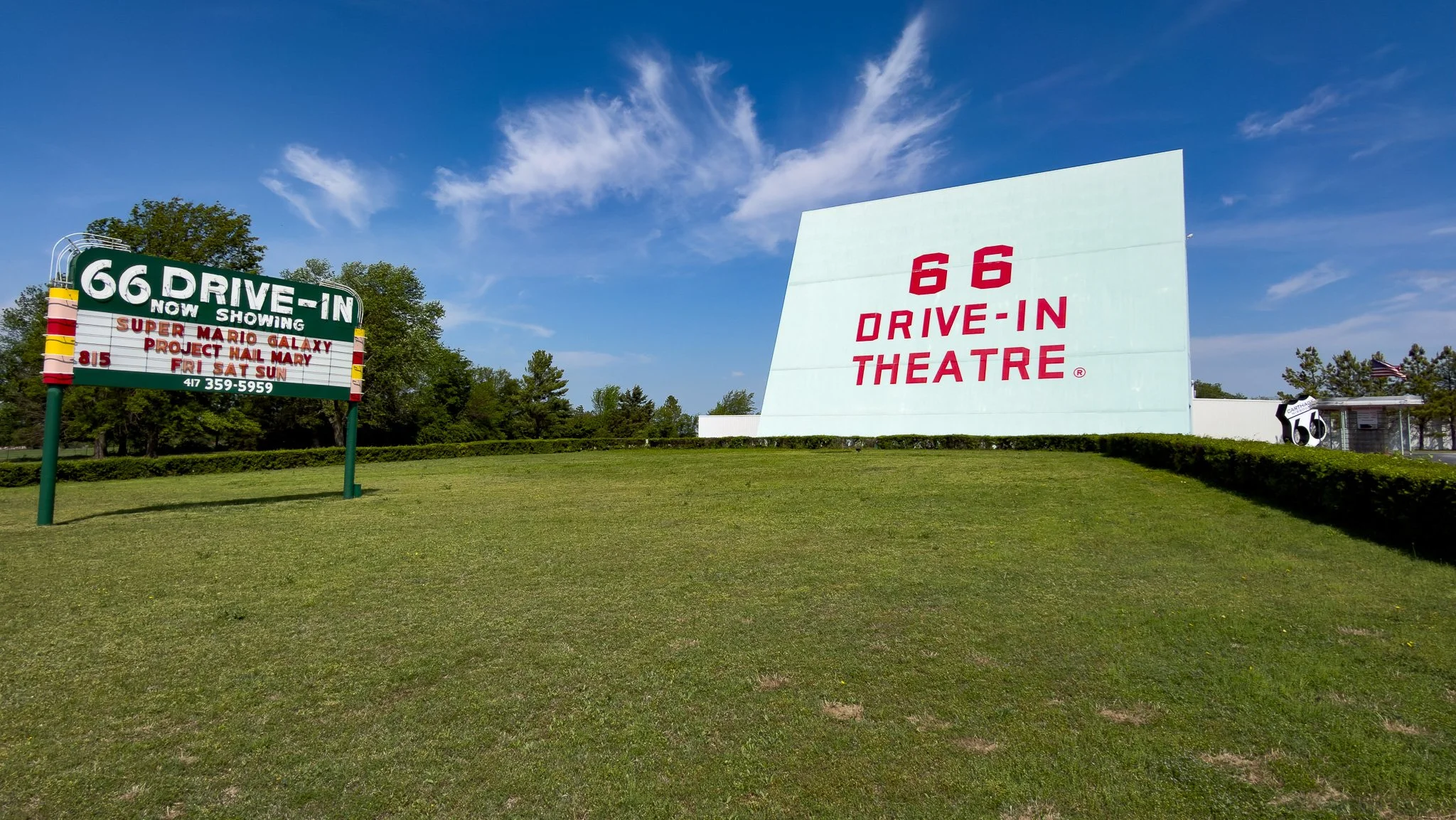
Just west of downtown Carthage is this gem - the 66 Drive-In Theatre.
Click on Image for Map.
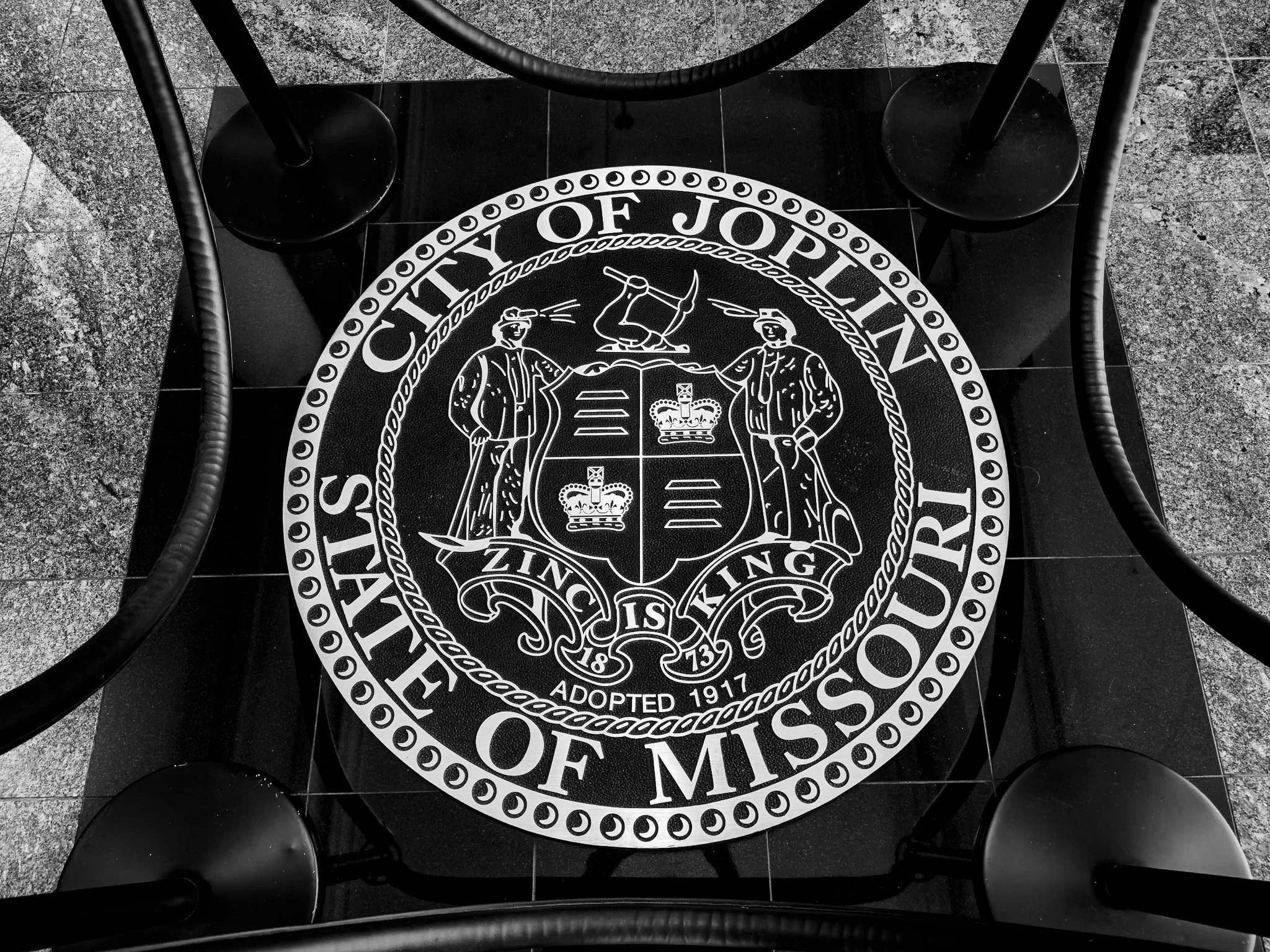
Our next stop was Joplin, MO where we walked the downtown main street and photographed some of the murals. This seal of the city was located in the City Hall/Visitors Center.
Click on Image for Map.
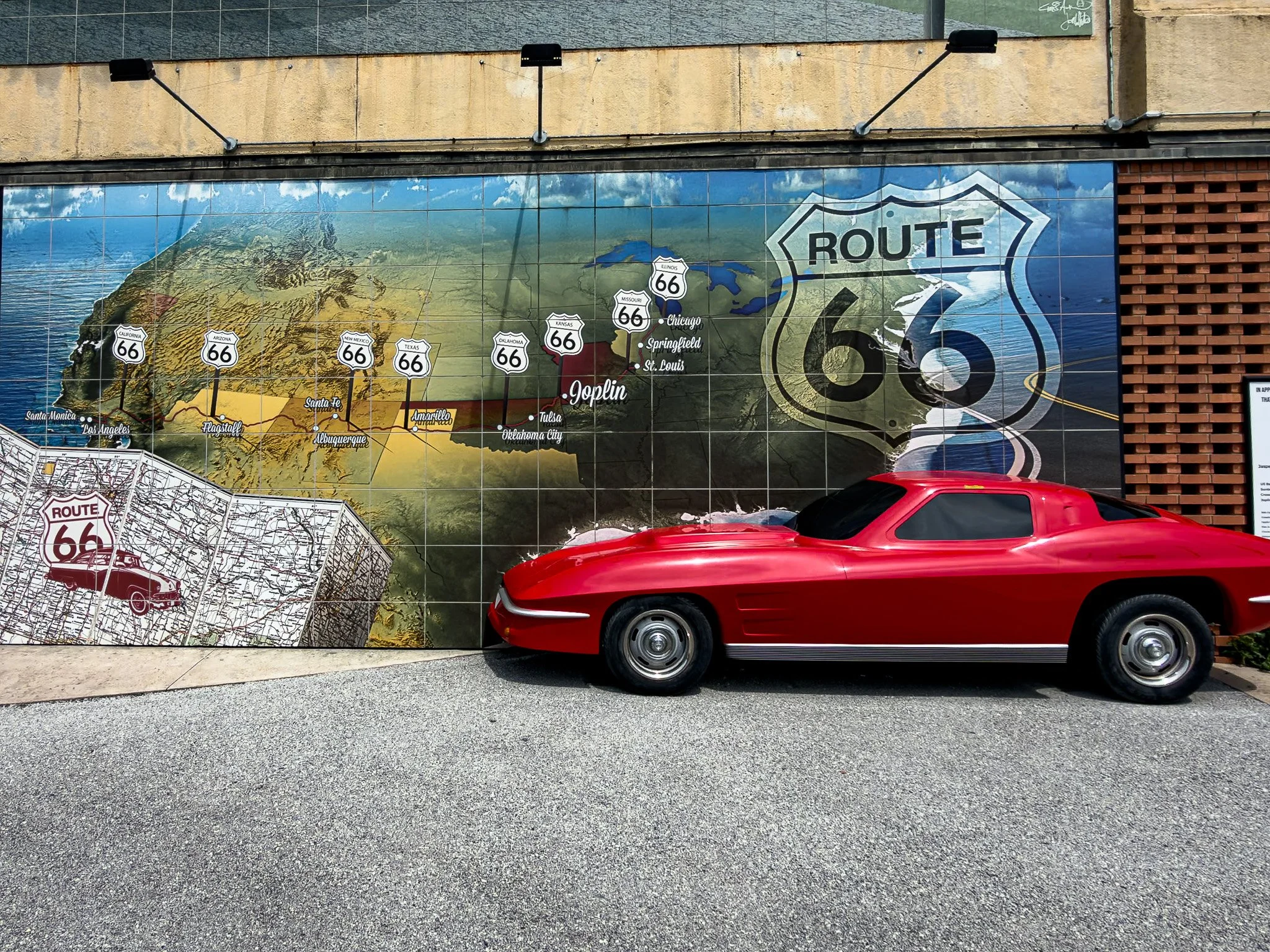
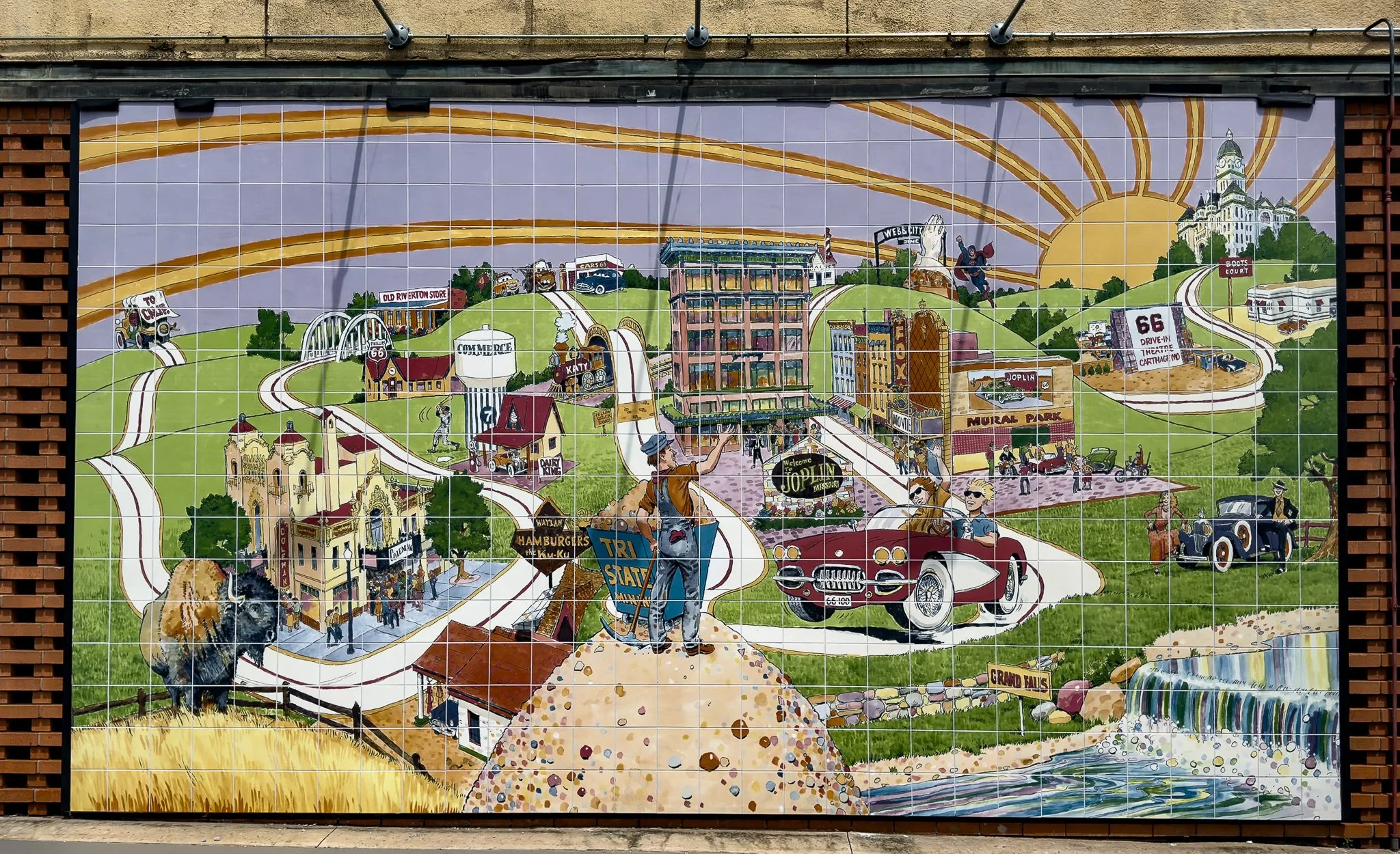
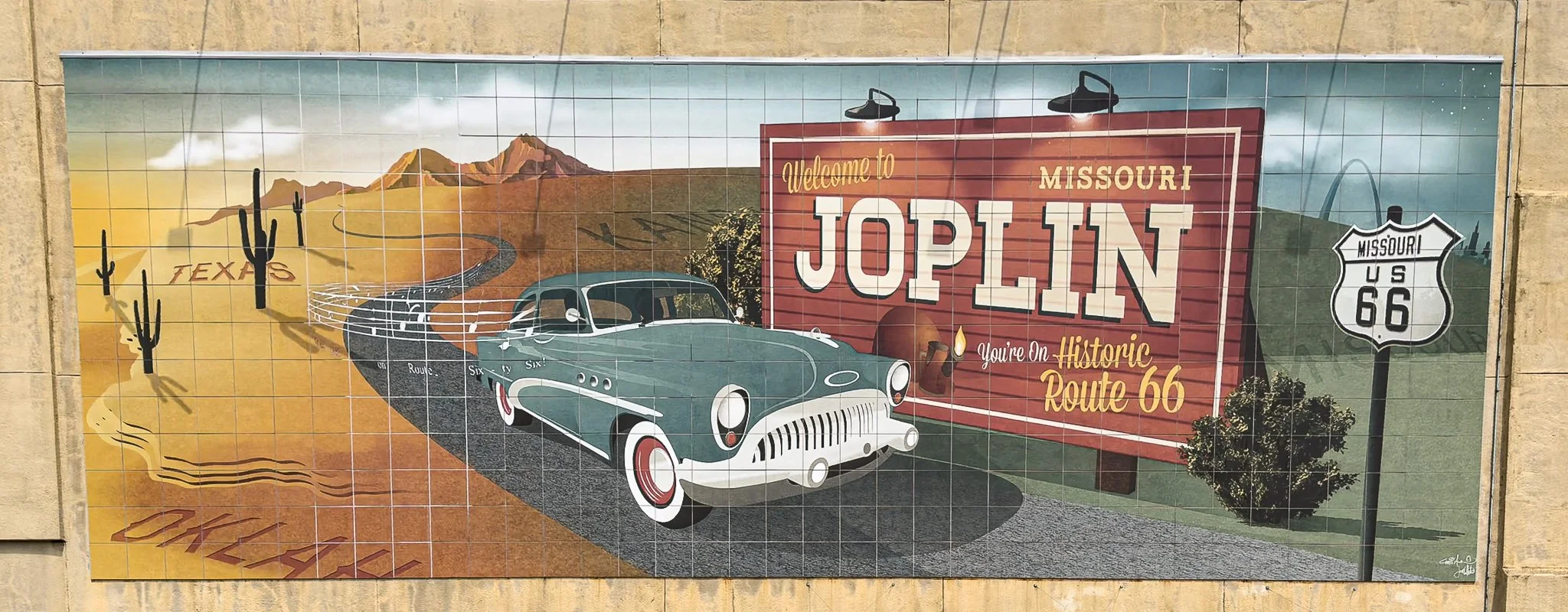
Some Joplin murals.
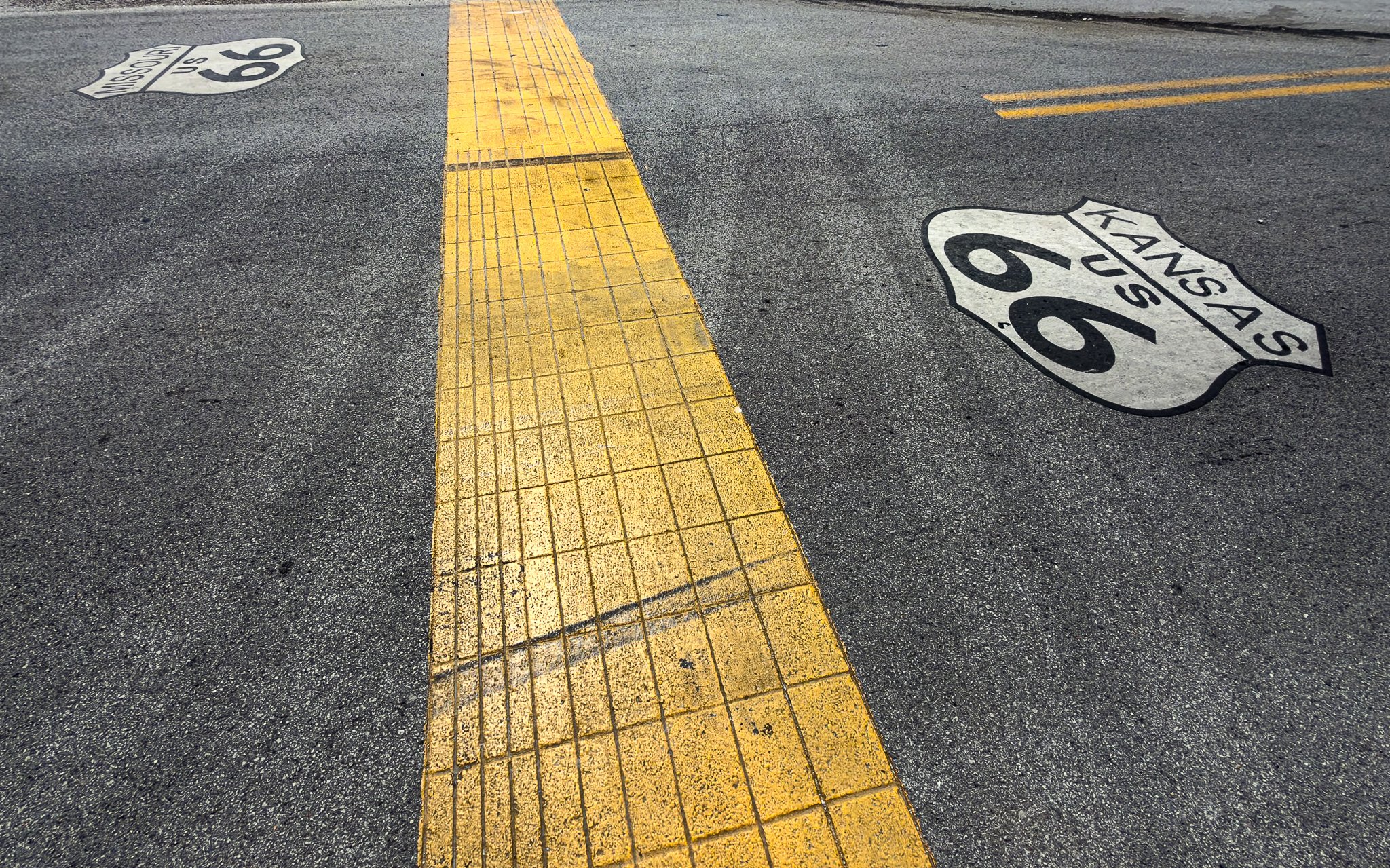
Leaving Joplin, our next stop was the Missouri/Kansas state line. Here the yellow bricks on the road is the state line with the left side being Missouri and the right being Kansas. And, upon crossing this line, we have completed two of the eight states that make up Route 66.
Click on Image for Map.
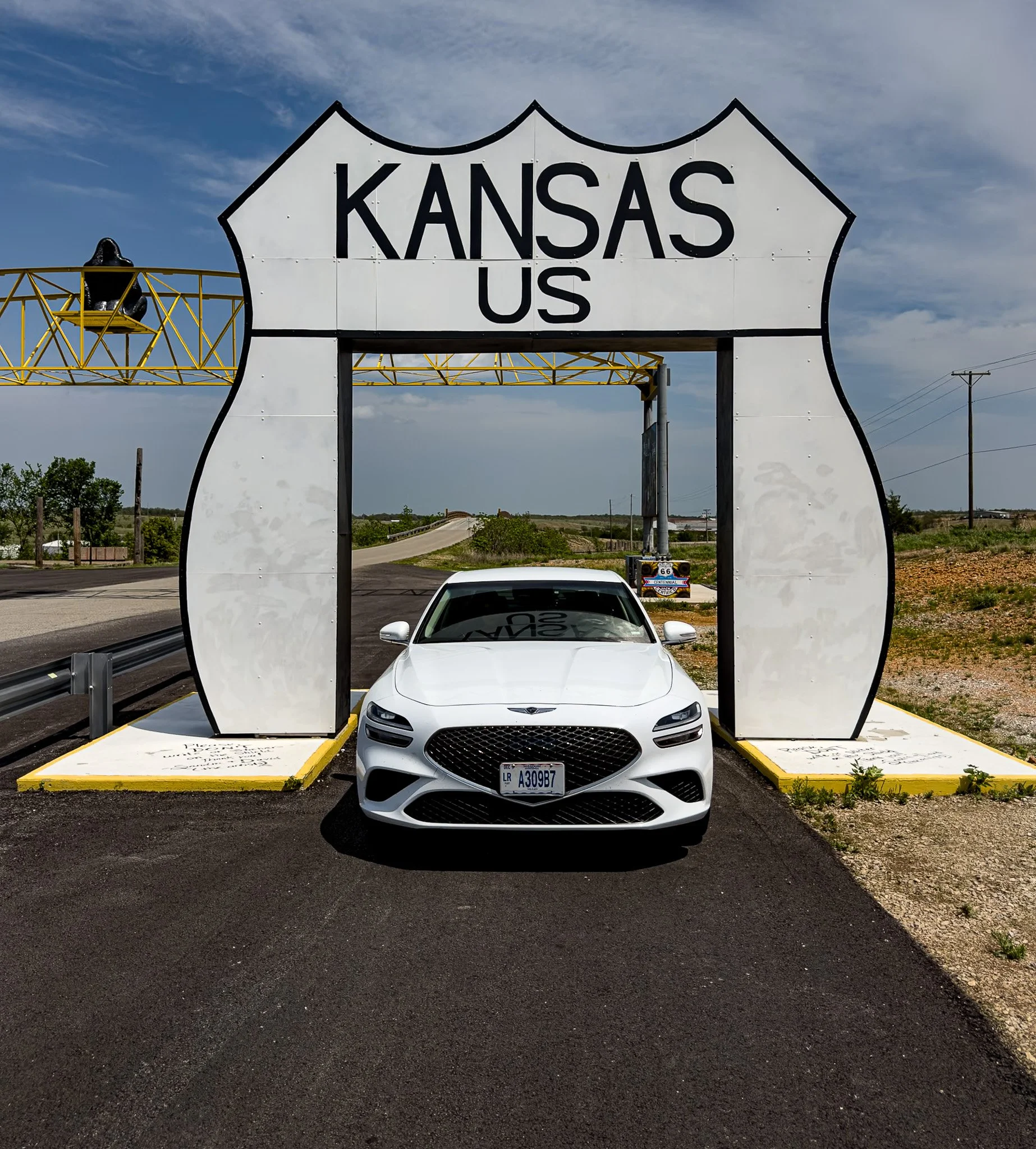
Driving through the Kansas shield. This is our rental car - it has proven to be a VERY enjoyable way to experience the route.
Click on Image for Map.
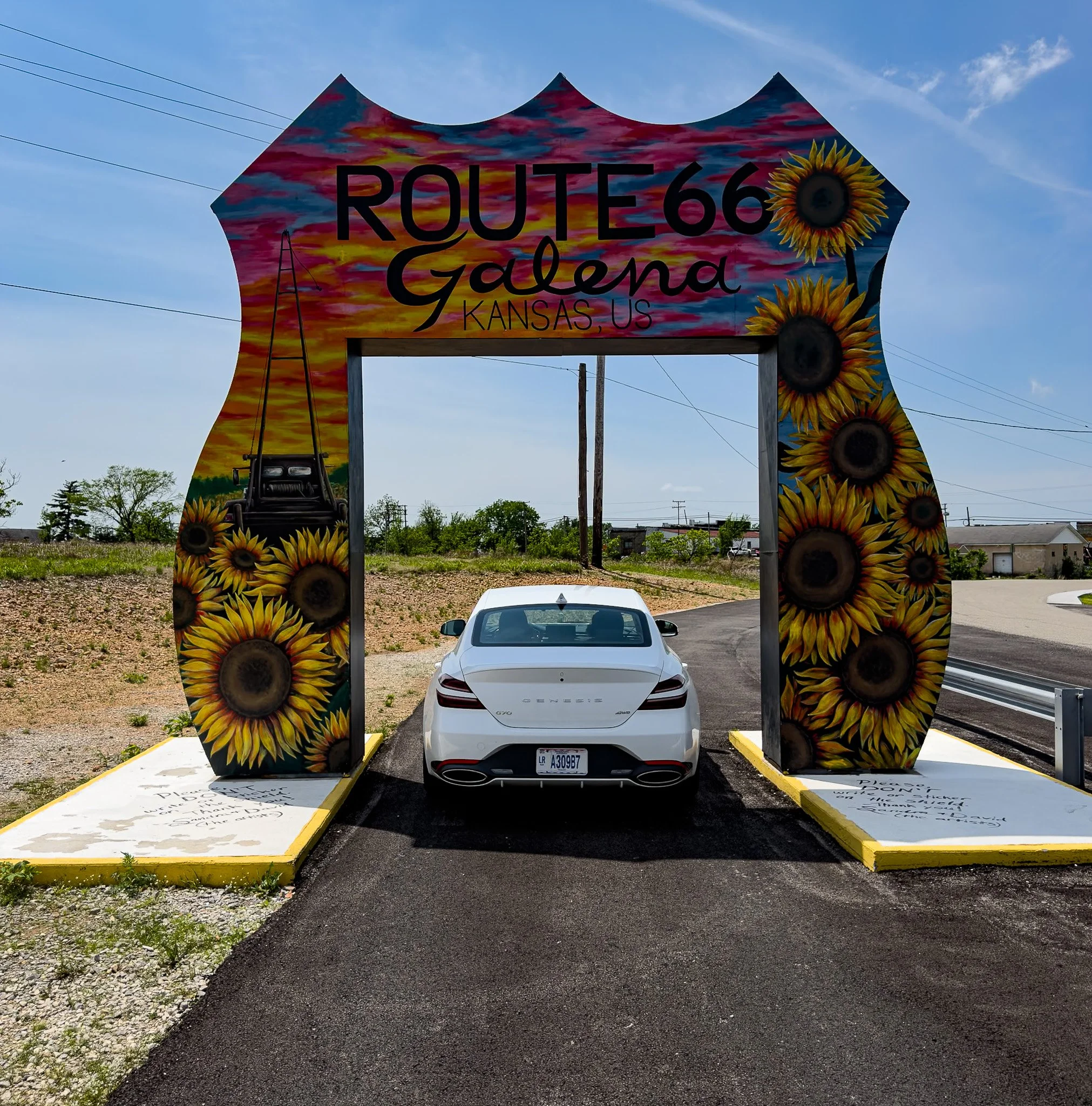
Same shield, just in the “correct” orientation - looking west - since that is the way we are actually heading on this trip.
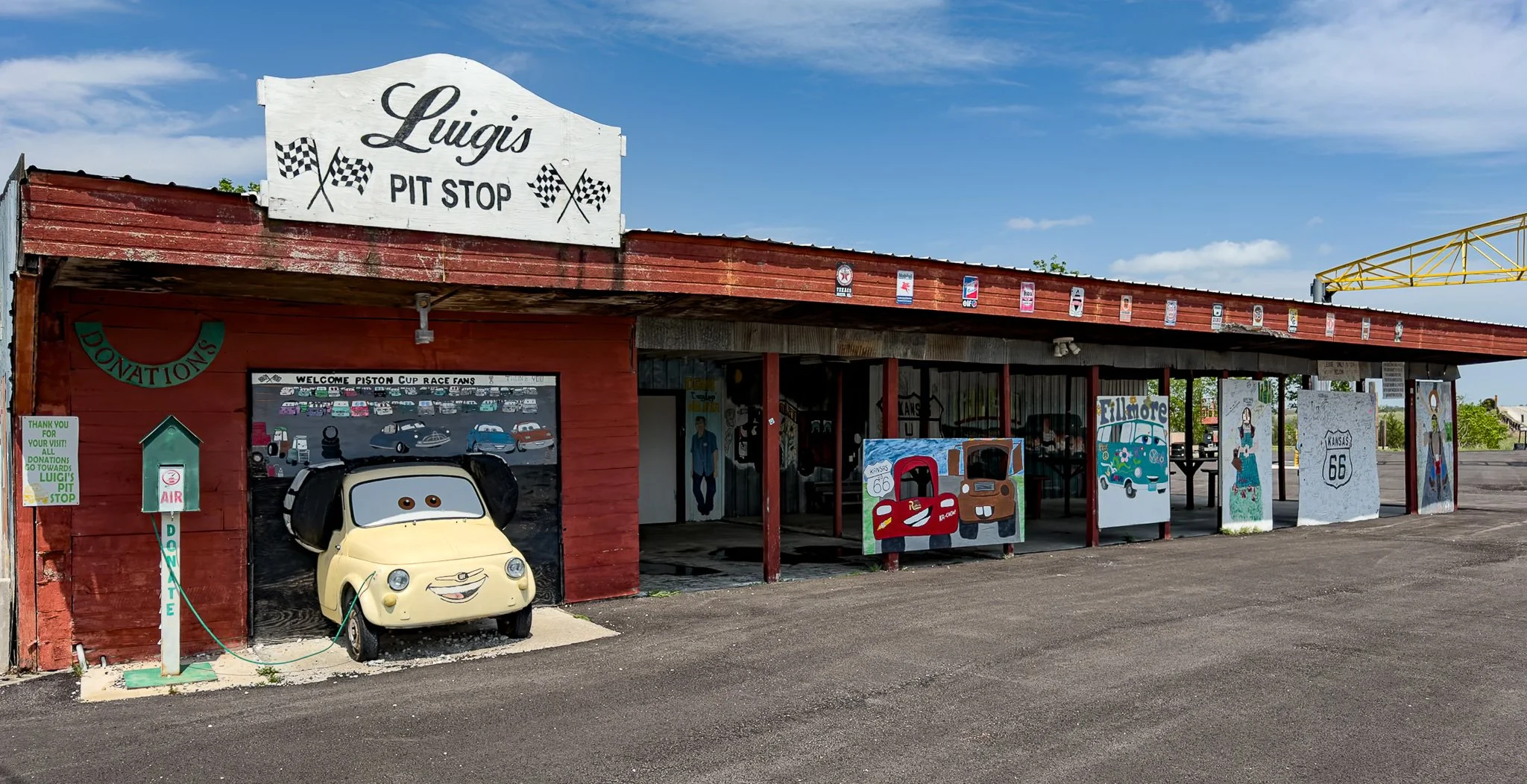
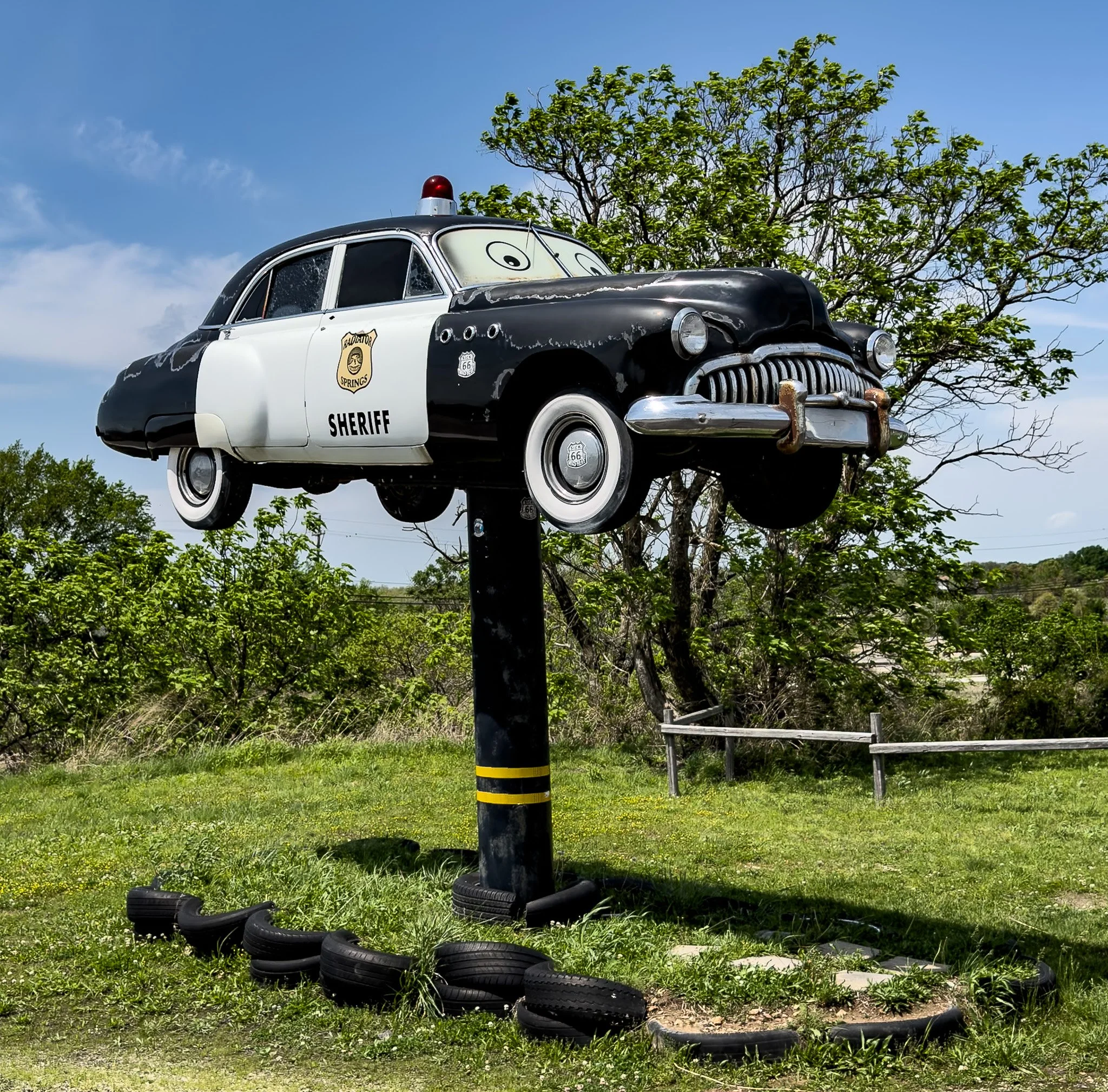
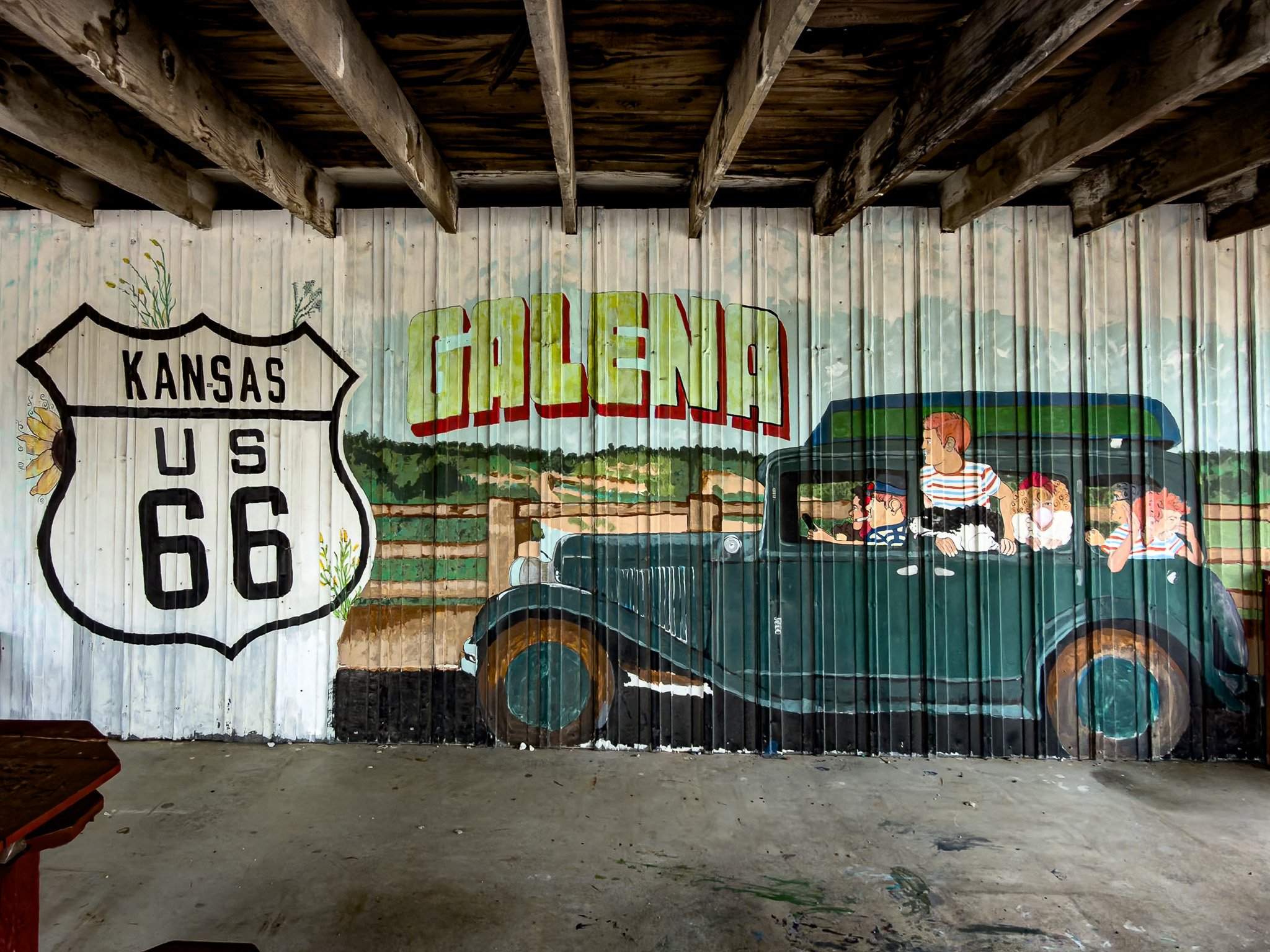
Of the 2,448 miles that makes up Route 66, Kansas only has 13.2 of them. However, those 13.2 miles are packed with things to see. Kansas capitalizes on the Pixar movie Cars, as seen here and in several of the upcoming photos.
Click on Image for Map.
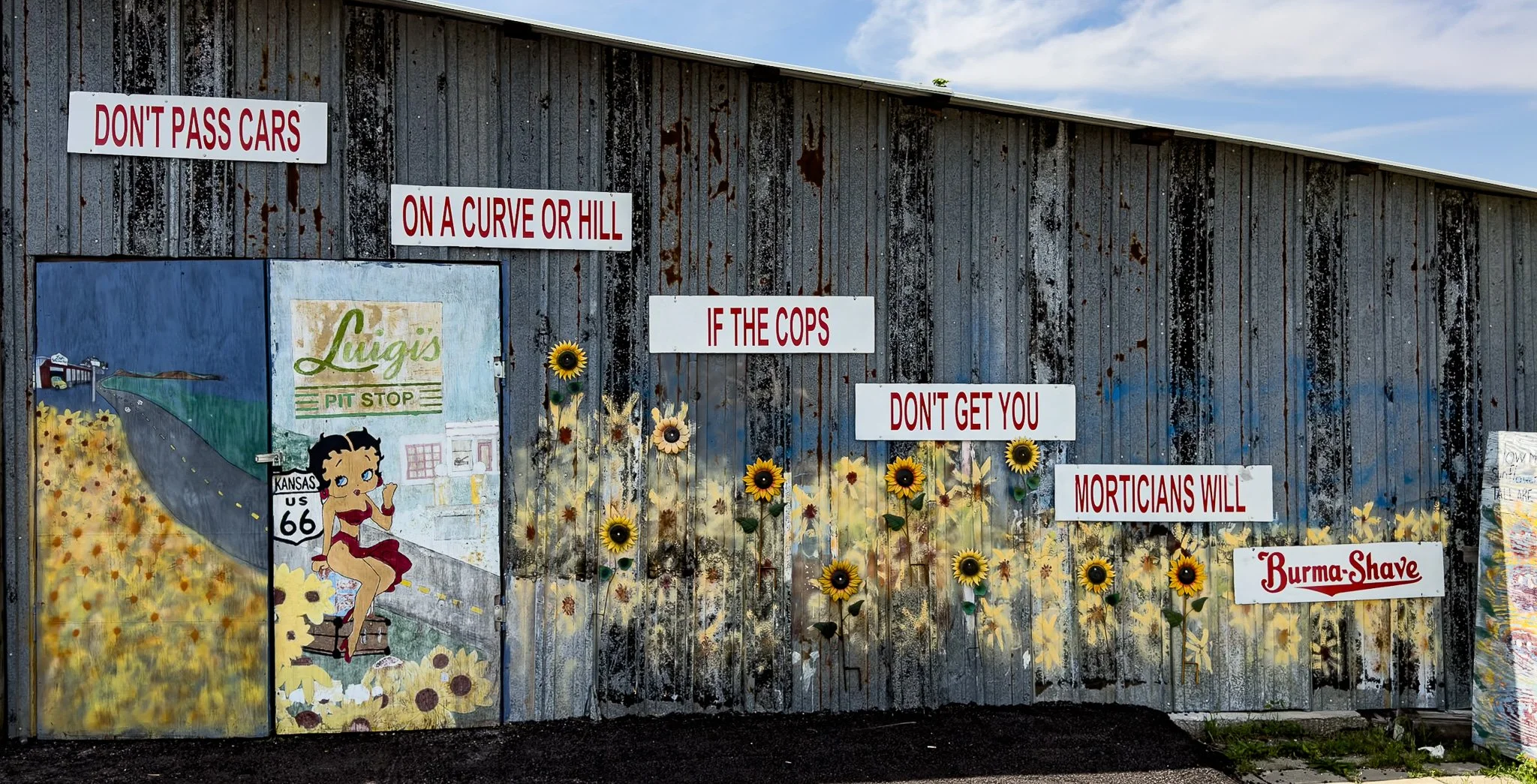
There are several of these Burma-Shave signs along the route and this mural depicts one of those.
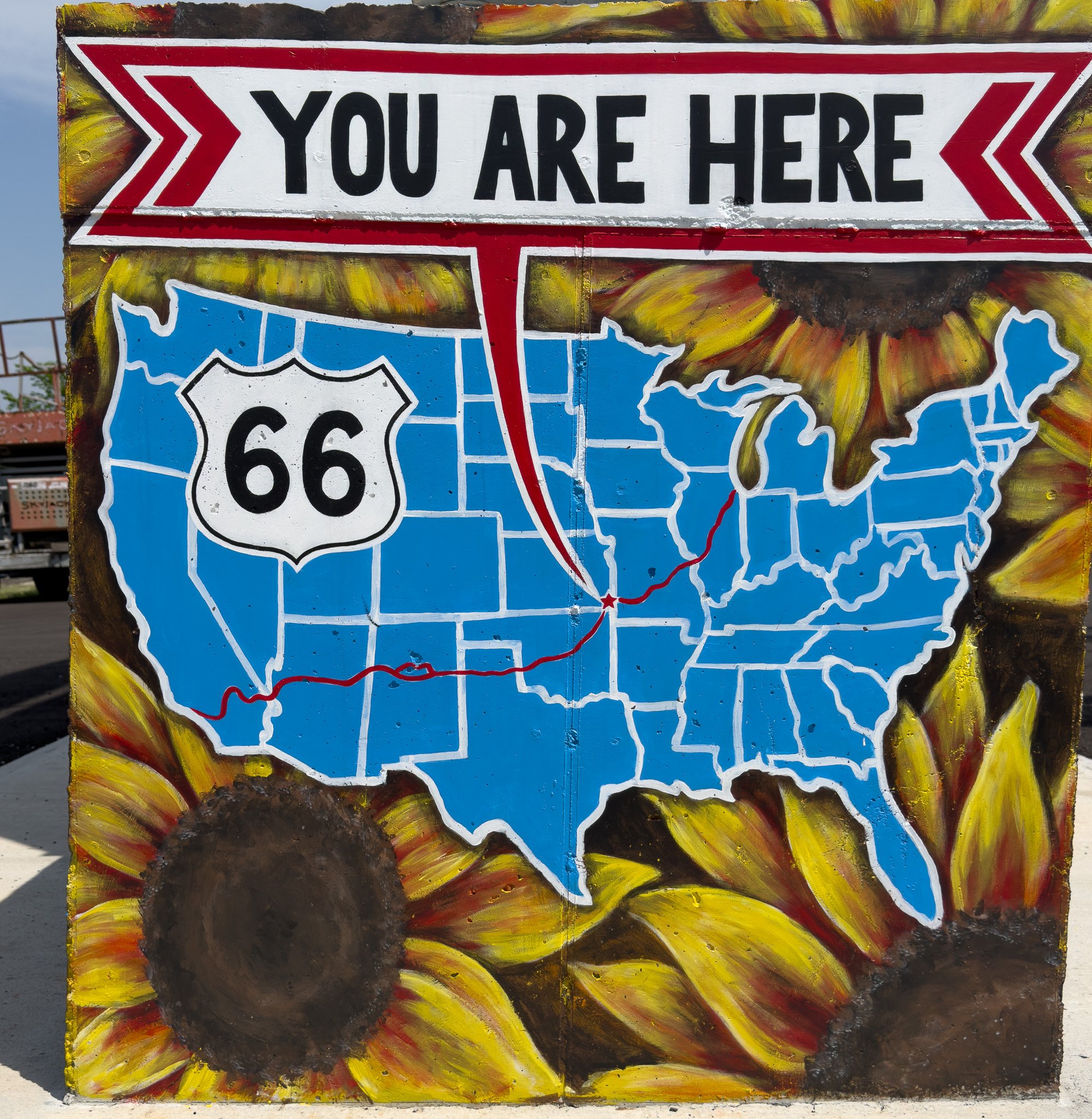
Roughly 1/3 of the way….
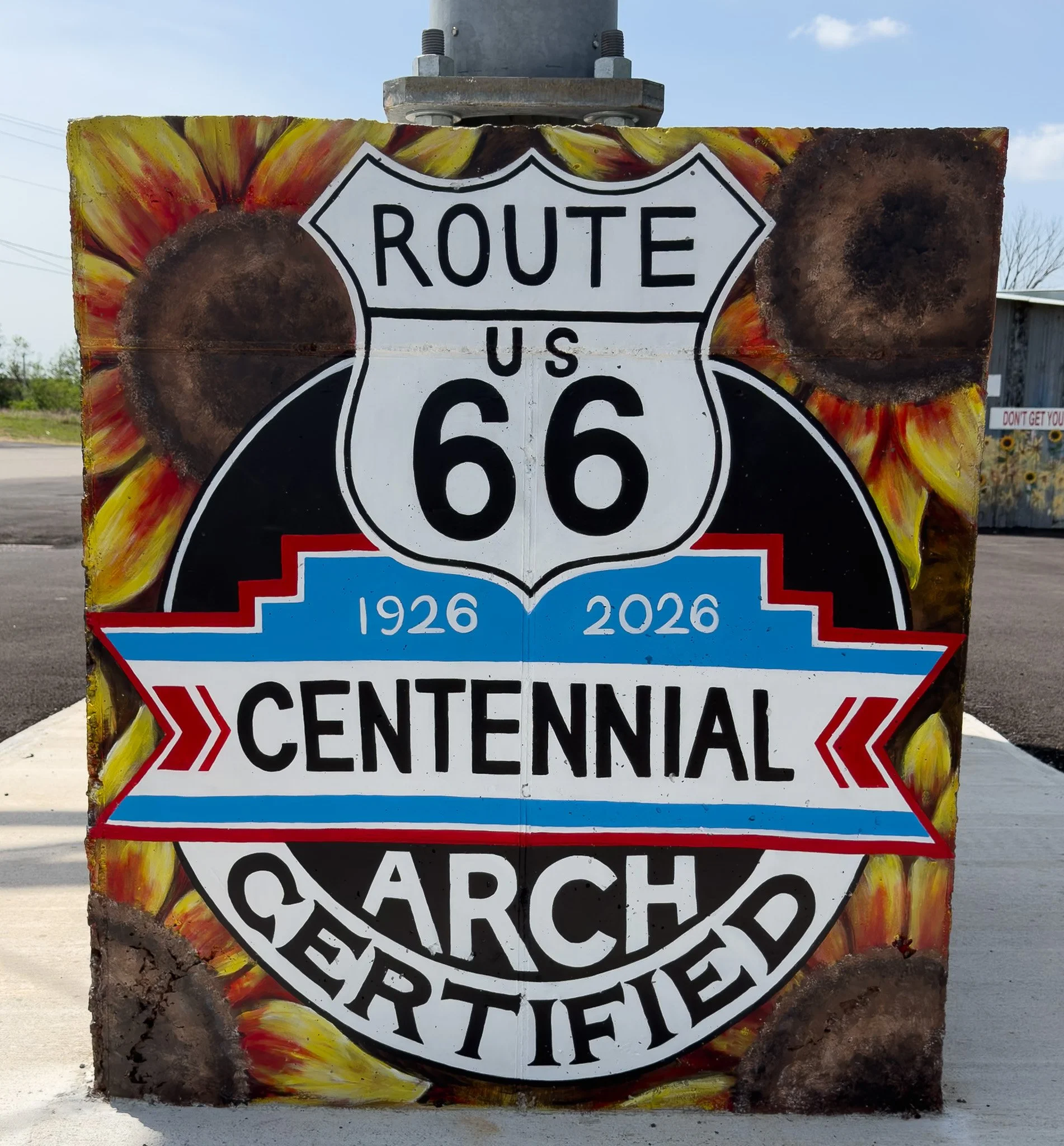
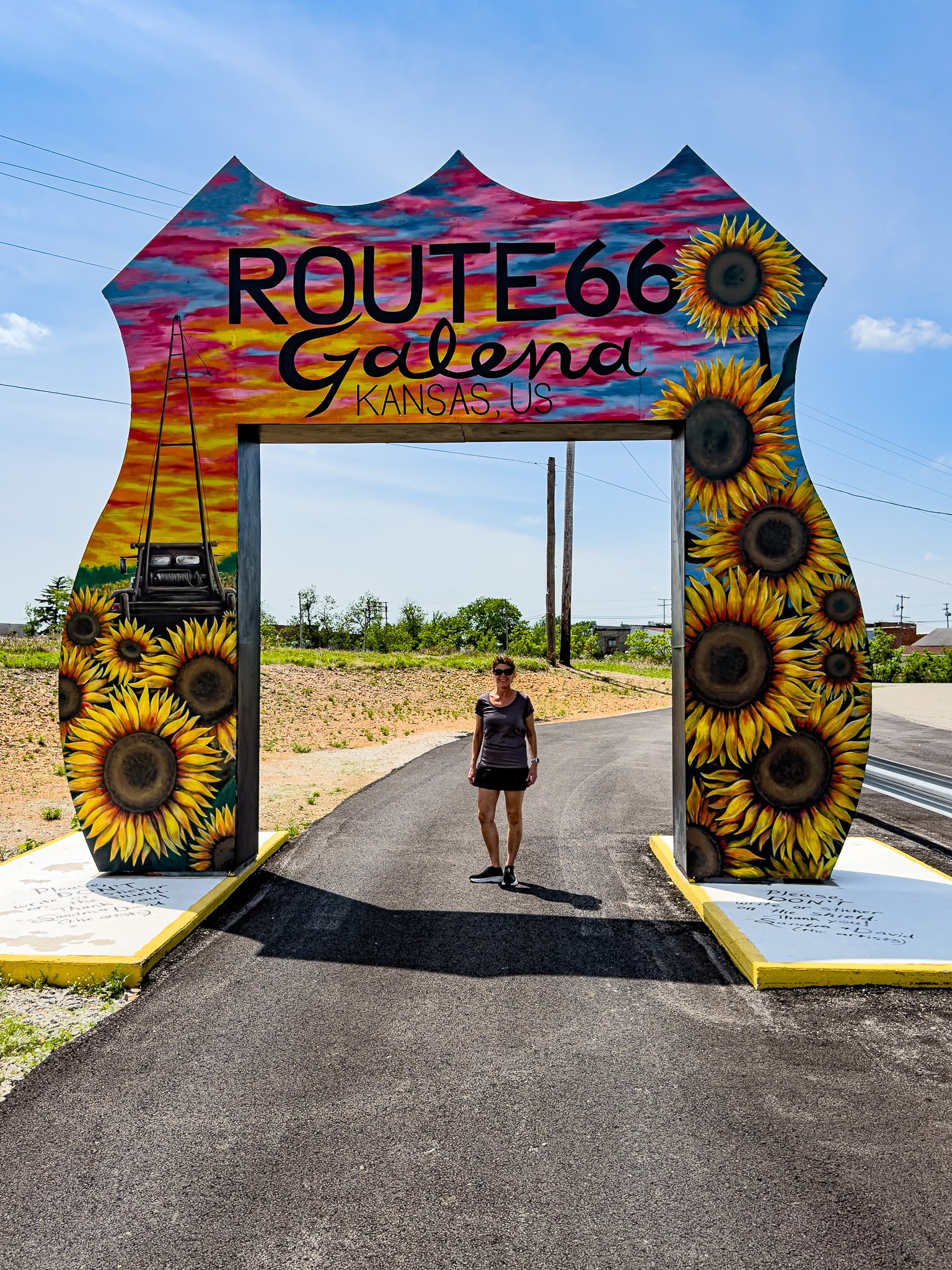
Lisa really liked this drive-thru shield. This is the first time either of us have been to Kansas.
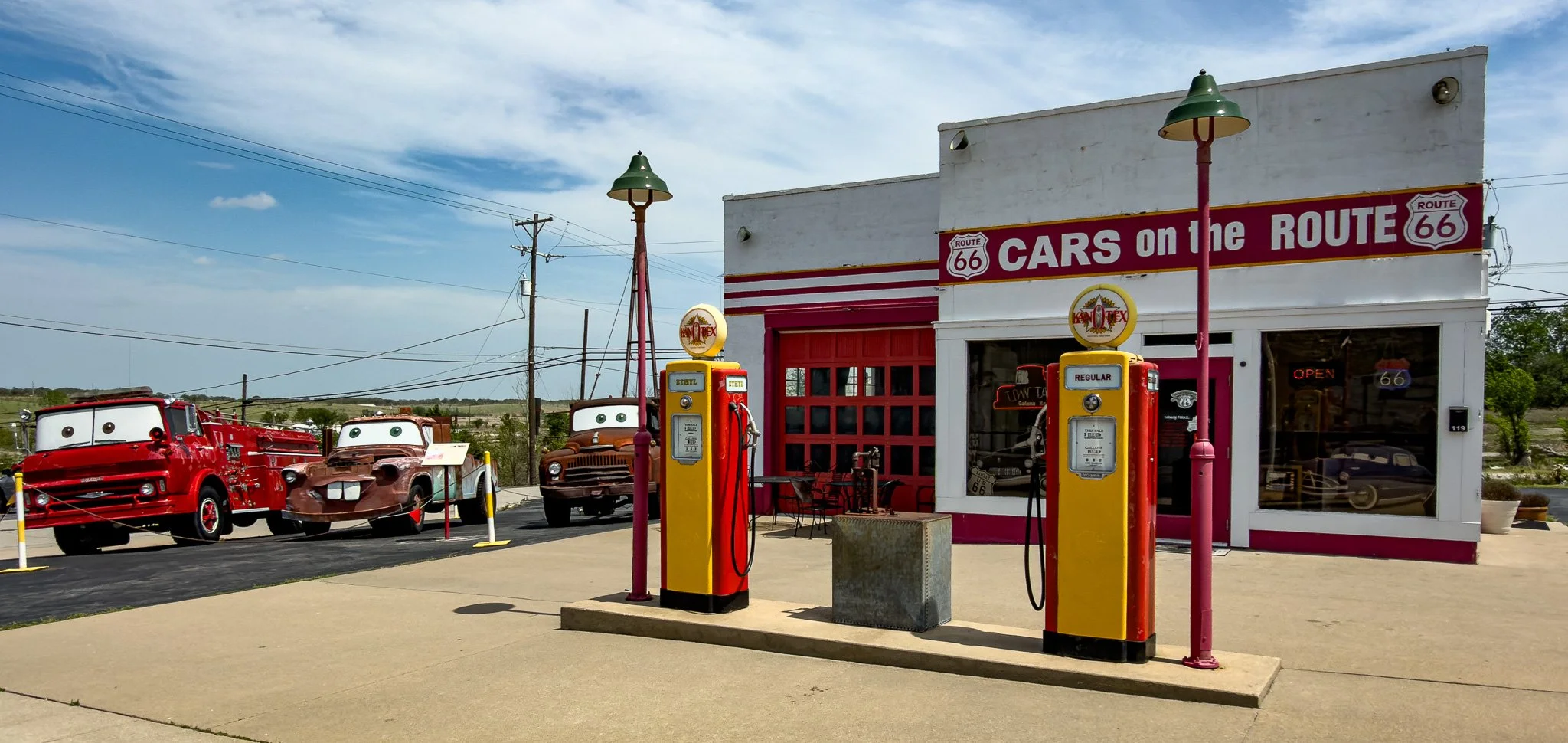
This Cars on the Route really showcases the important part Kansas played in the Pixar movie.
Click on Image for Map.
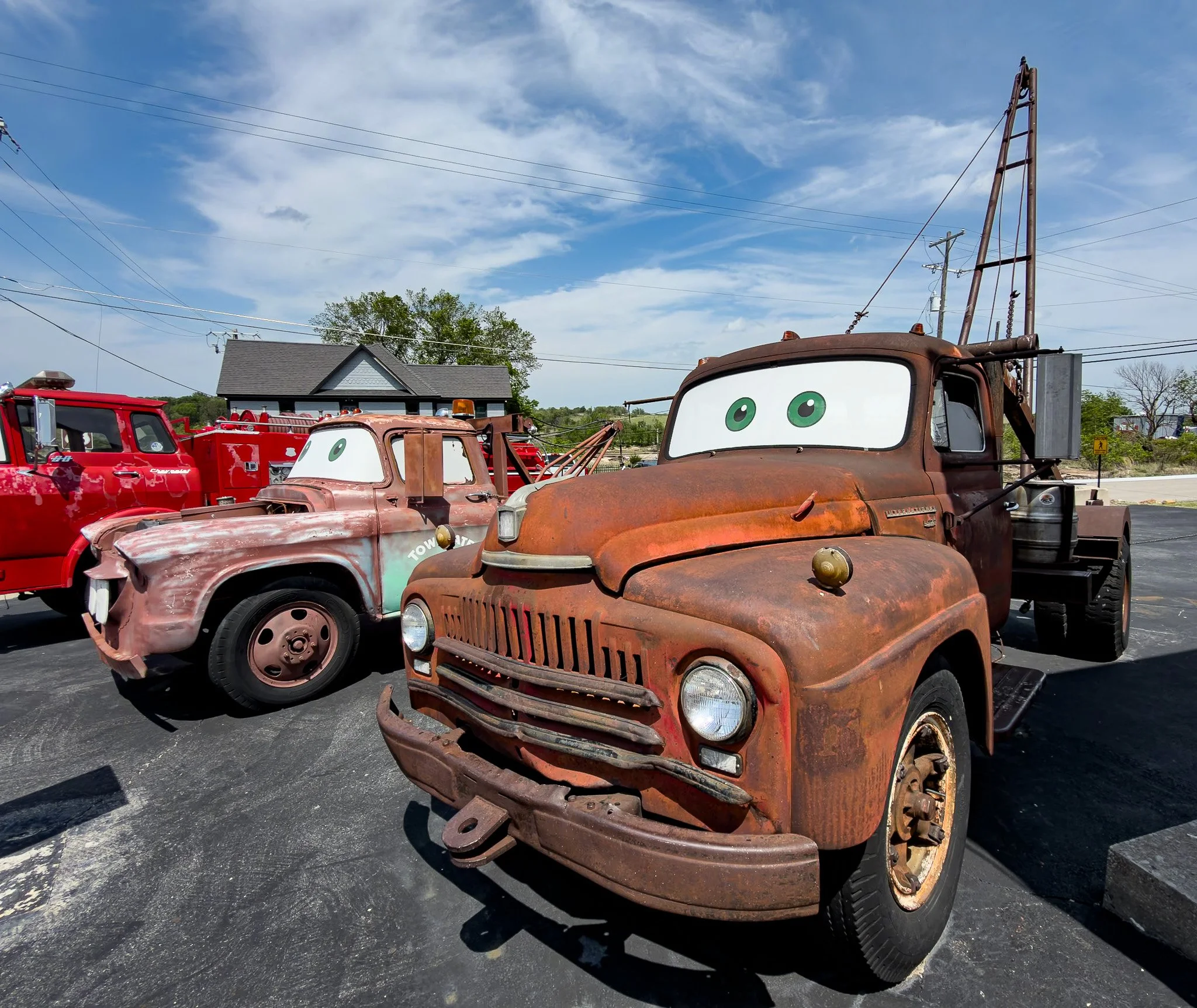
Reportedly the inspiration for Tow Mater in the movie (far right).
From ChatGPT:
The rusty tow truck at Cars on the Route inspired Tow Mater in Pixar’s Cars. During a Route 66 research trip, artists met owner Dean Walker and saw the characterful truck, whose personality and appearance helped shape the lovable, goofy tow truck voiced by Larry the Cable Guy.
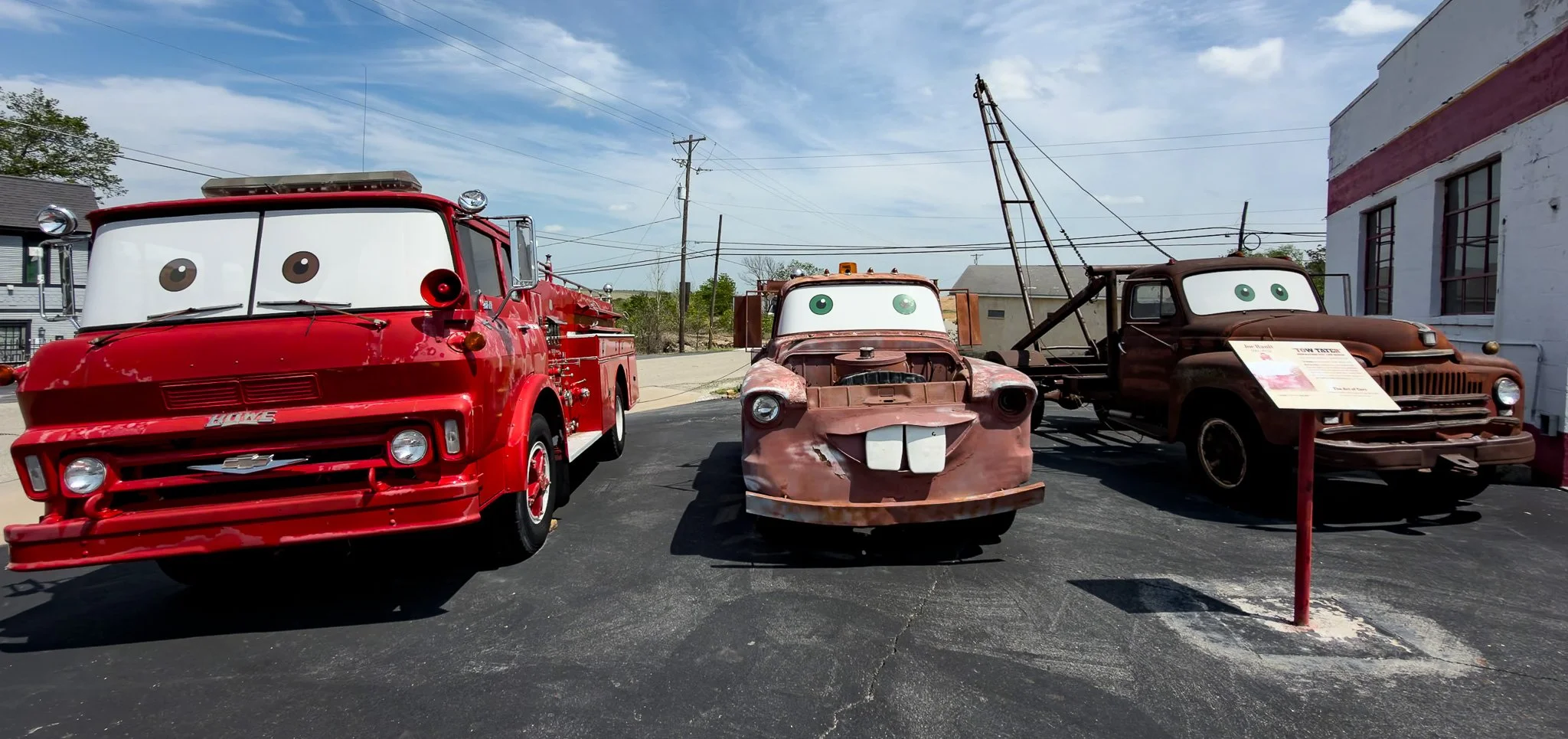
The fire engine “Red” originally had a speaking role in the film. However, when the Pixar creator who was to be his voice died during production the decision was made that “Red” would remain silent as a tribute.
From ChatGPT:
In Cars, the fire engine Red is silent as a tribute to Joe Ranft, a beloved Pixar storyteller who helped shape the film. Ranft had recorded Red’s vocal effects before his sudden death in a 2005 car accident during production. Rather than recast the role, Pixar chose to keep Red largely silent, using only those minimal sounds as a respectful nod to Ranft’s legacy and his deep influence on the studio.
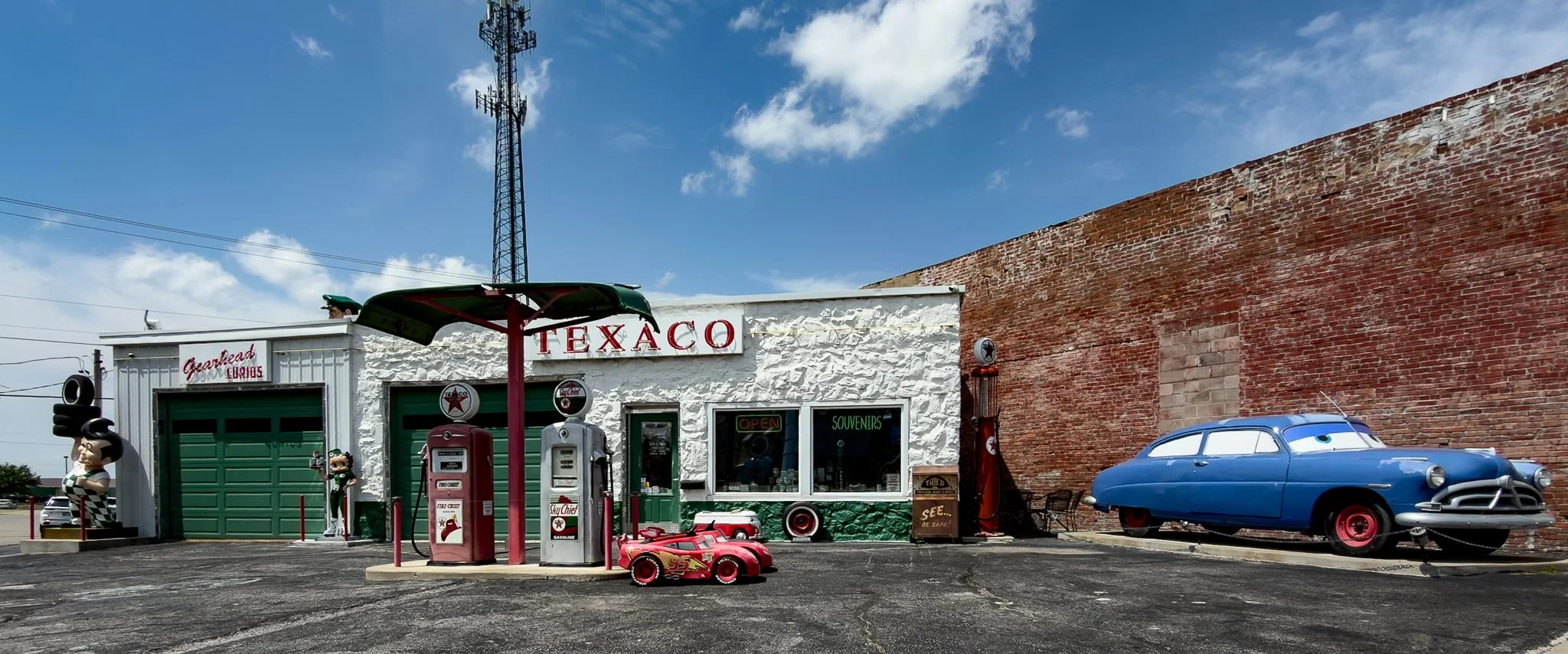
This is Gearhead Curios in Galena, KS. This place really struck a chord in me; it is a demonstration of how one man’s vision and creativity can transform what should be an average run of the mill curiosity shop on a 2,448 mile journey into something truly unique. I really hope this works our for the owner and creator of this great stop - Aaron Perry. Using random car parts and something as mundane as a restroom, Aaron has made something truly unique and it draws people to his store. Well done Aaron!!!
Click on Map for Image.
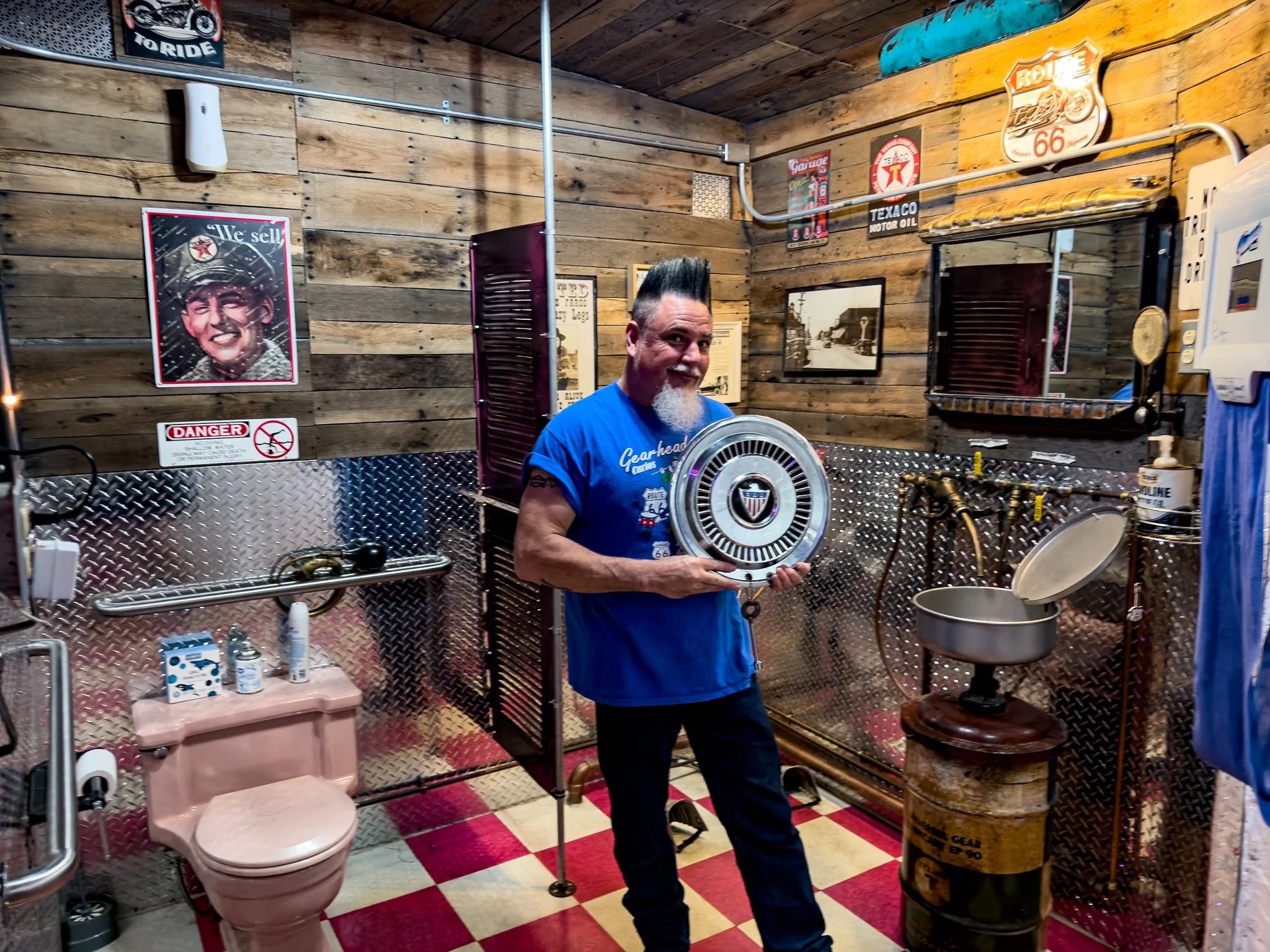
This is Aaron giving us a private tour of his creation. And a gas station bathroom HAD to have a key on a hubcap!! Everything in this bathroom is made of some type of car part or has to do with automotive repair. The holder for the toilet paper was a C-clamp. The lights are recycled from old cars. The plumbing fixures are all car related. The hand soap is even dispensed from an old oil can. I can’t do justice to the creativity in this otherwise common room.
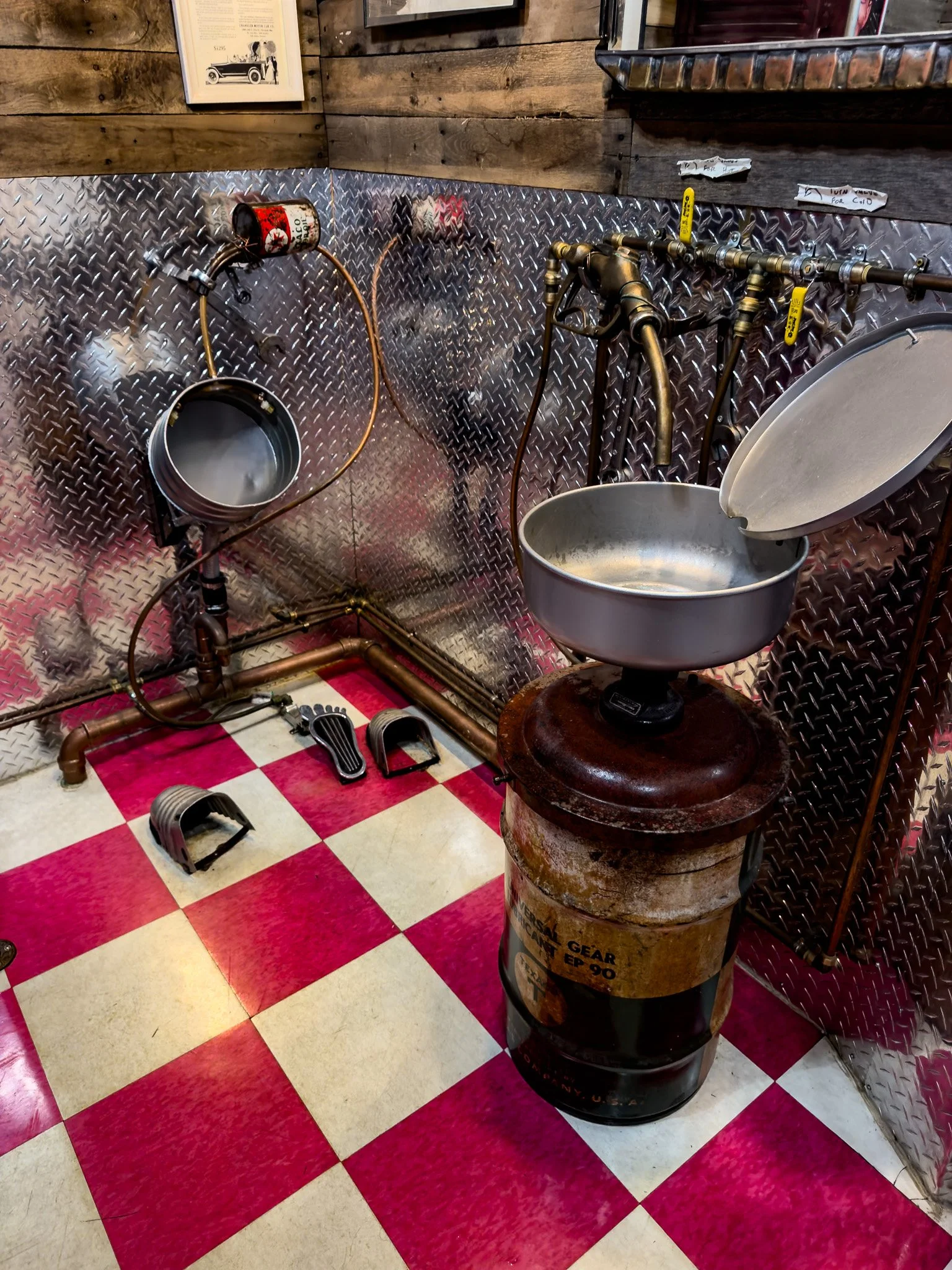
The steel toe covers are bolted to the floor and when you insert your feet you are automatically in “the correct position” for using the urinal. Then, to flush the urinal, you step on the foot-shaped gas pedal.
Simply brilliant!!
From ChatGPT:
The restroom at Gearhead Curios is one of the most famous oddities on Route 66, often called the “most photographed bathroom” on the Mother Road. Built inside a restored Texaco station, it’s crafted almost entirely from recycled car parts—featuring a pink 1950s toilet, a funnel-style urinal, and lighting made from engine components.
Visitors even take guided “bathroom tours,” honk a horn after use, and admire the humor, creativity, and sheer mechanical ingenuity packed into this unforgettable roadside stop.
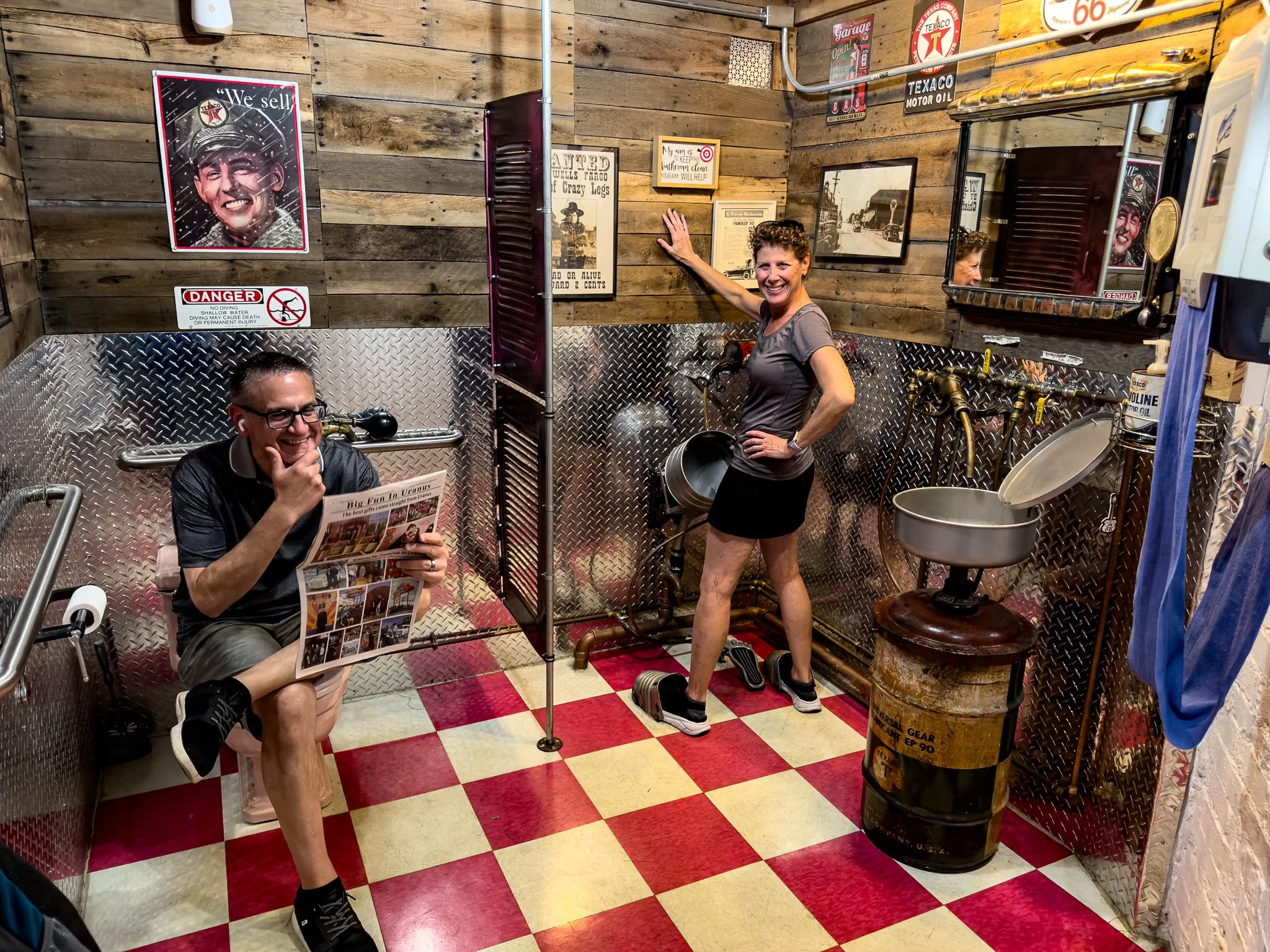
At the completion of the bathroom tour, Aaron stages this photo for couples. He says he is the only man in the world who can take picutes of other men’s wives in the bathroom and they laugh about it….
Well done Aaron, best of success to you!!
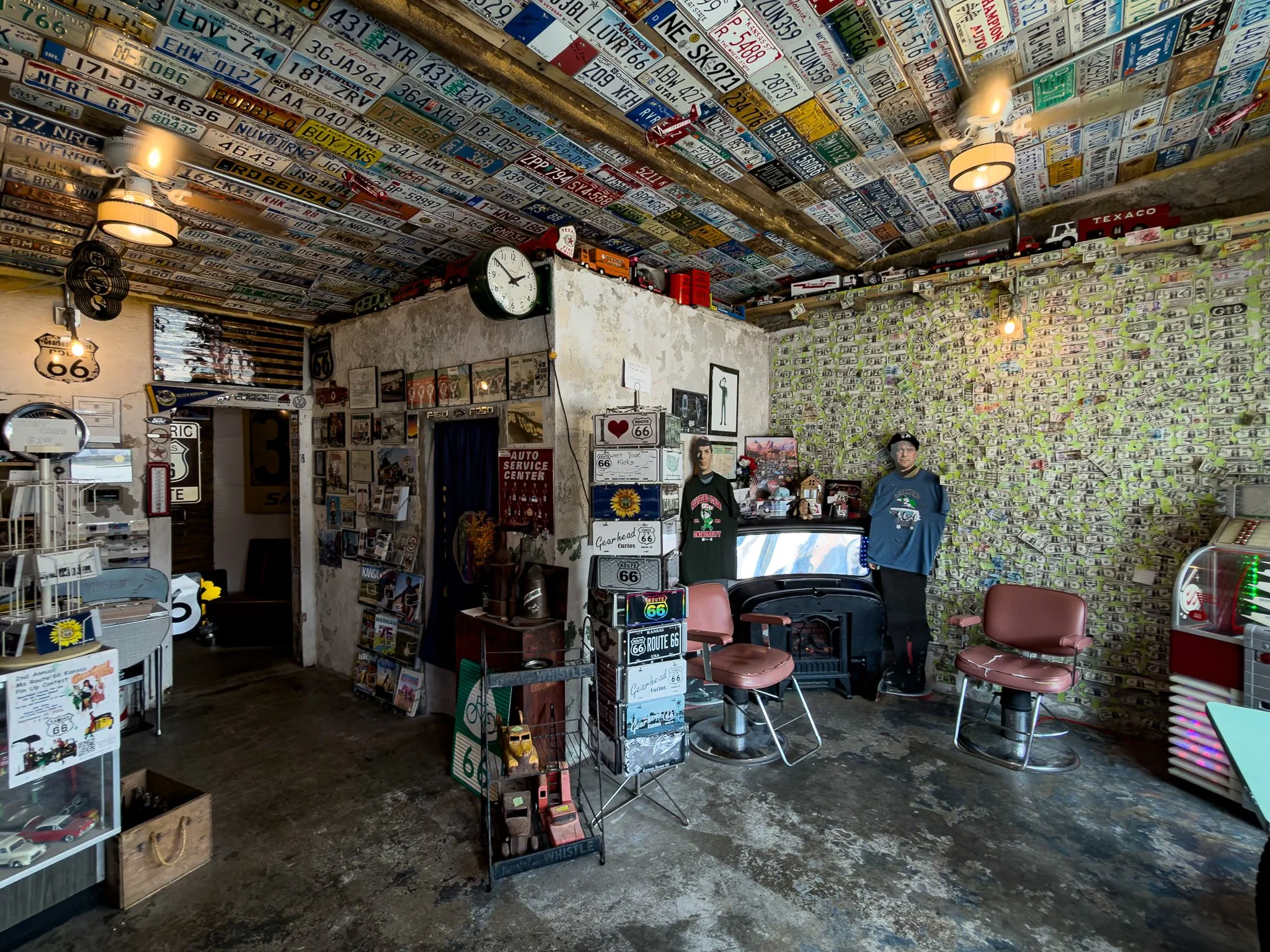
The entrance to Gearhead Curios.
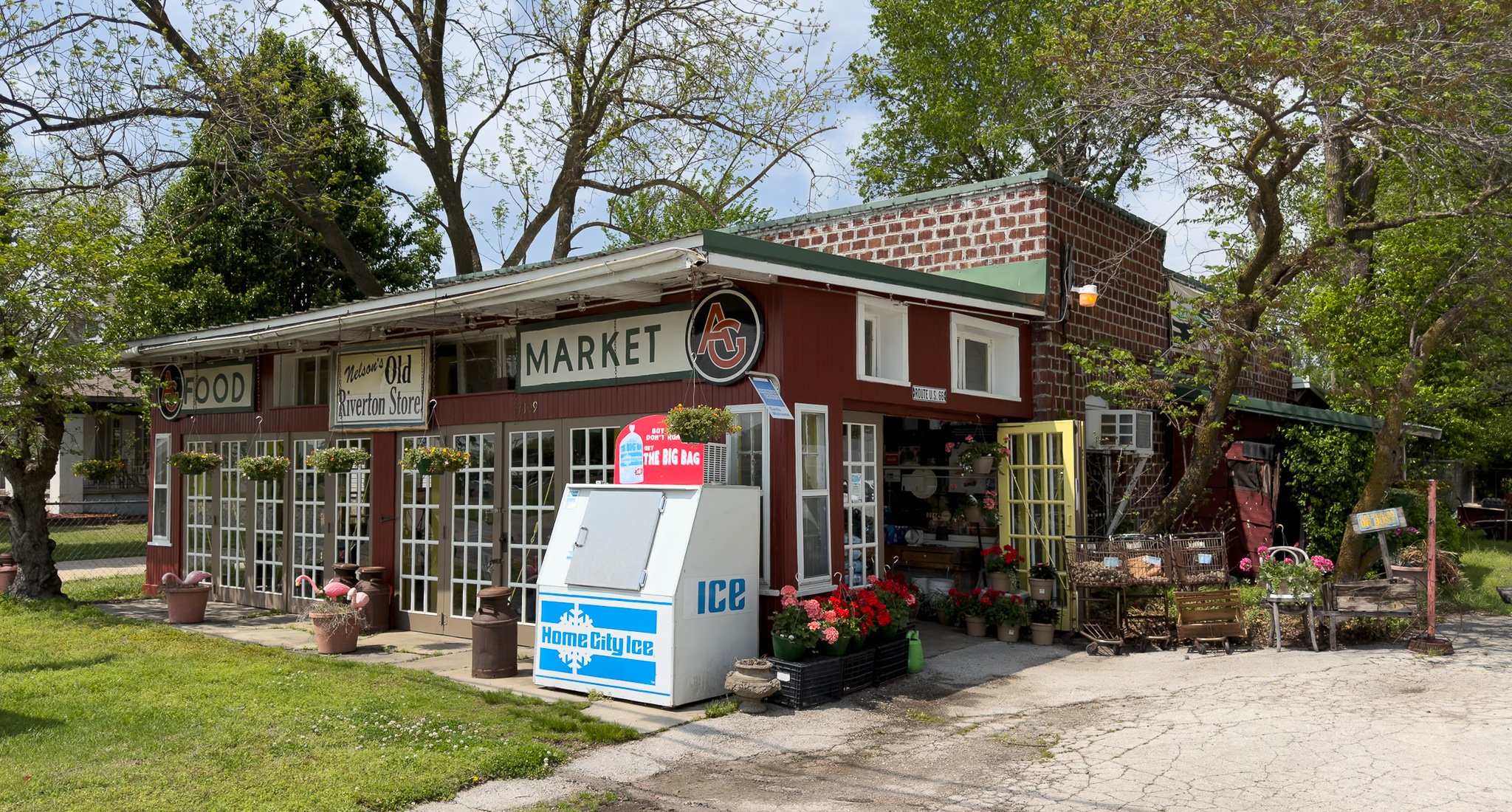
Riverton General Store. A quaint, functioning general store where you can get Route 66 memorabilia and a good sandwich at a fair price.
Click on Image for Map.
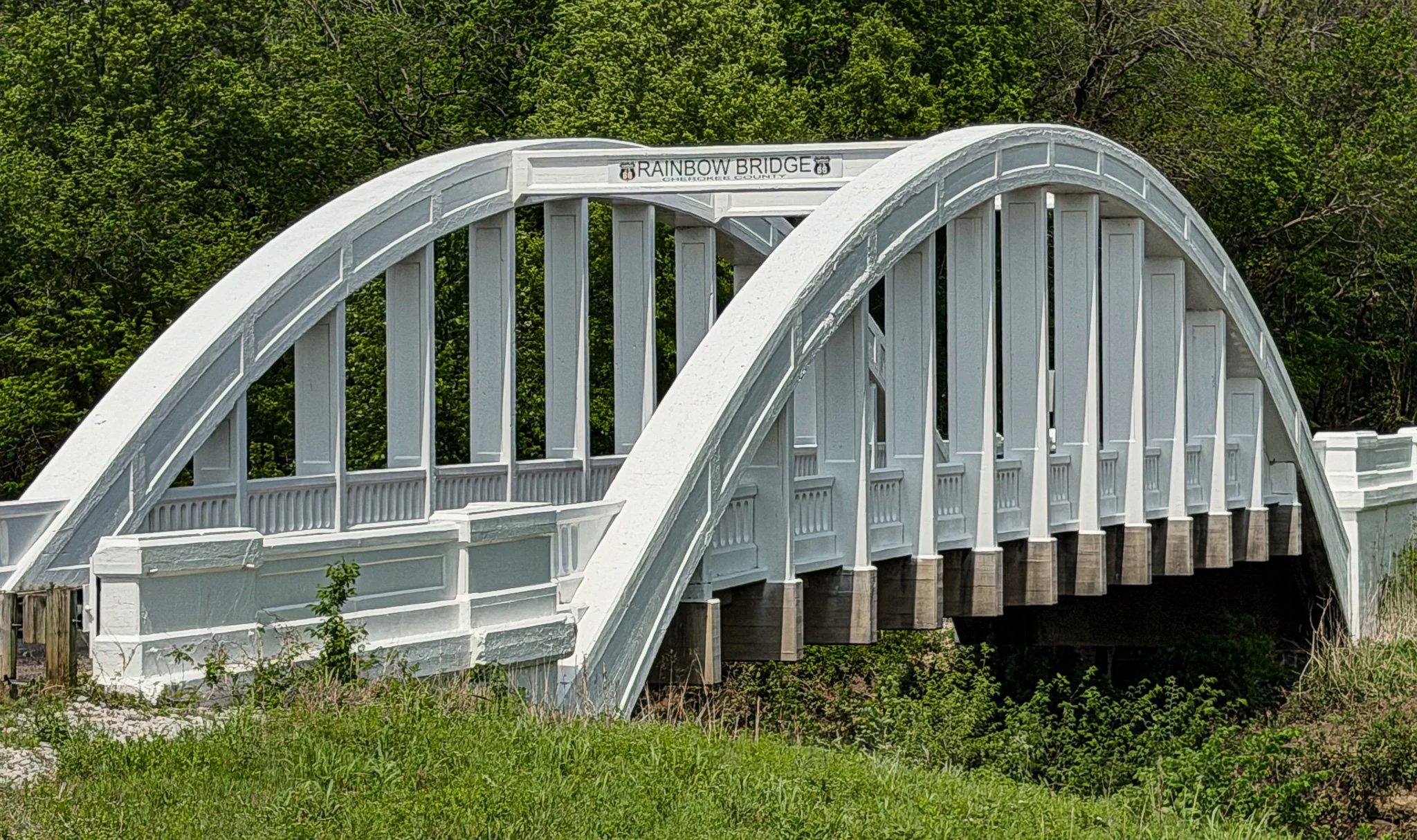
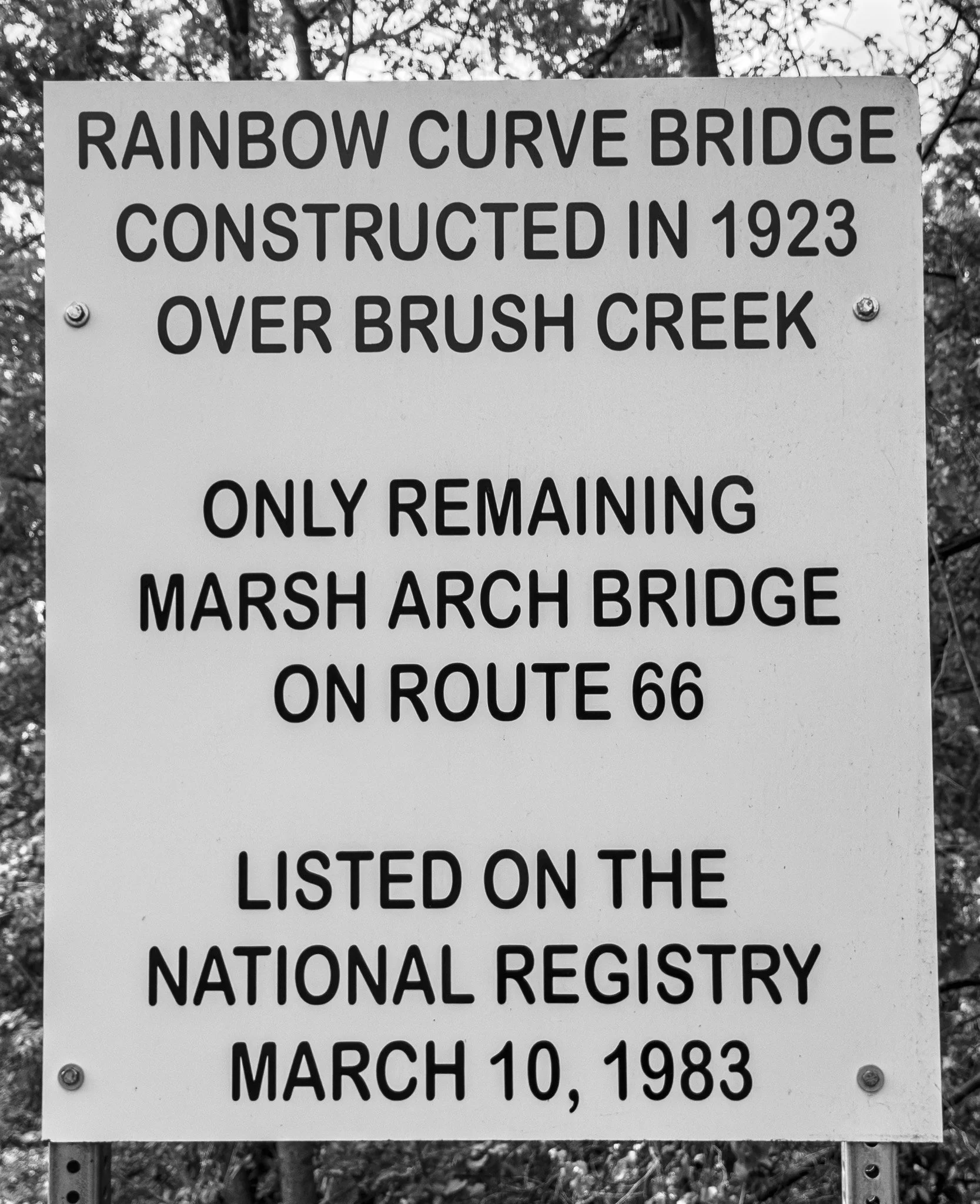
The Rainbow Bridge.
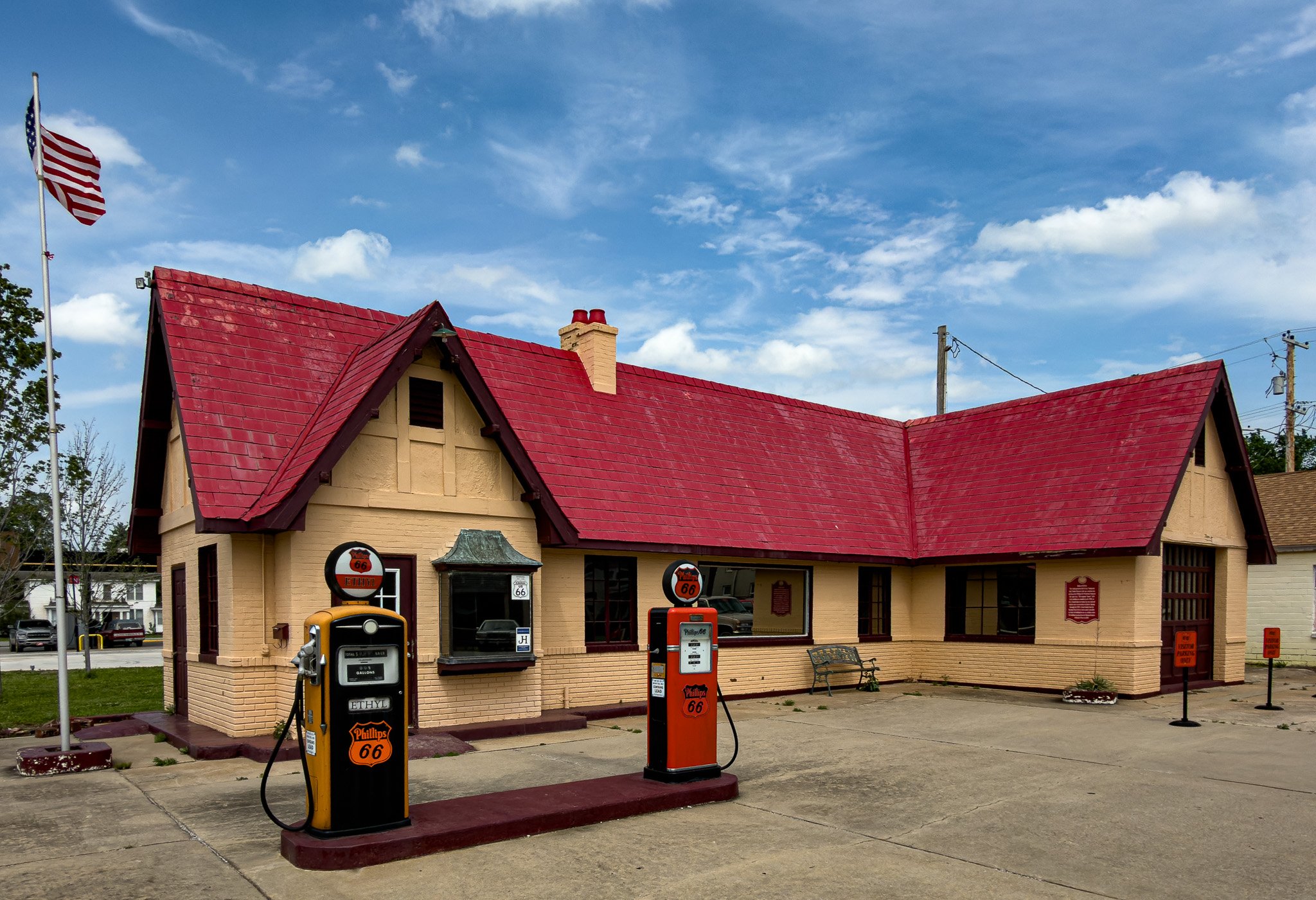
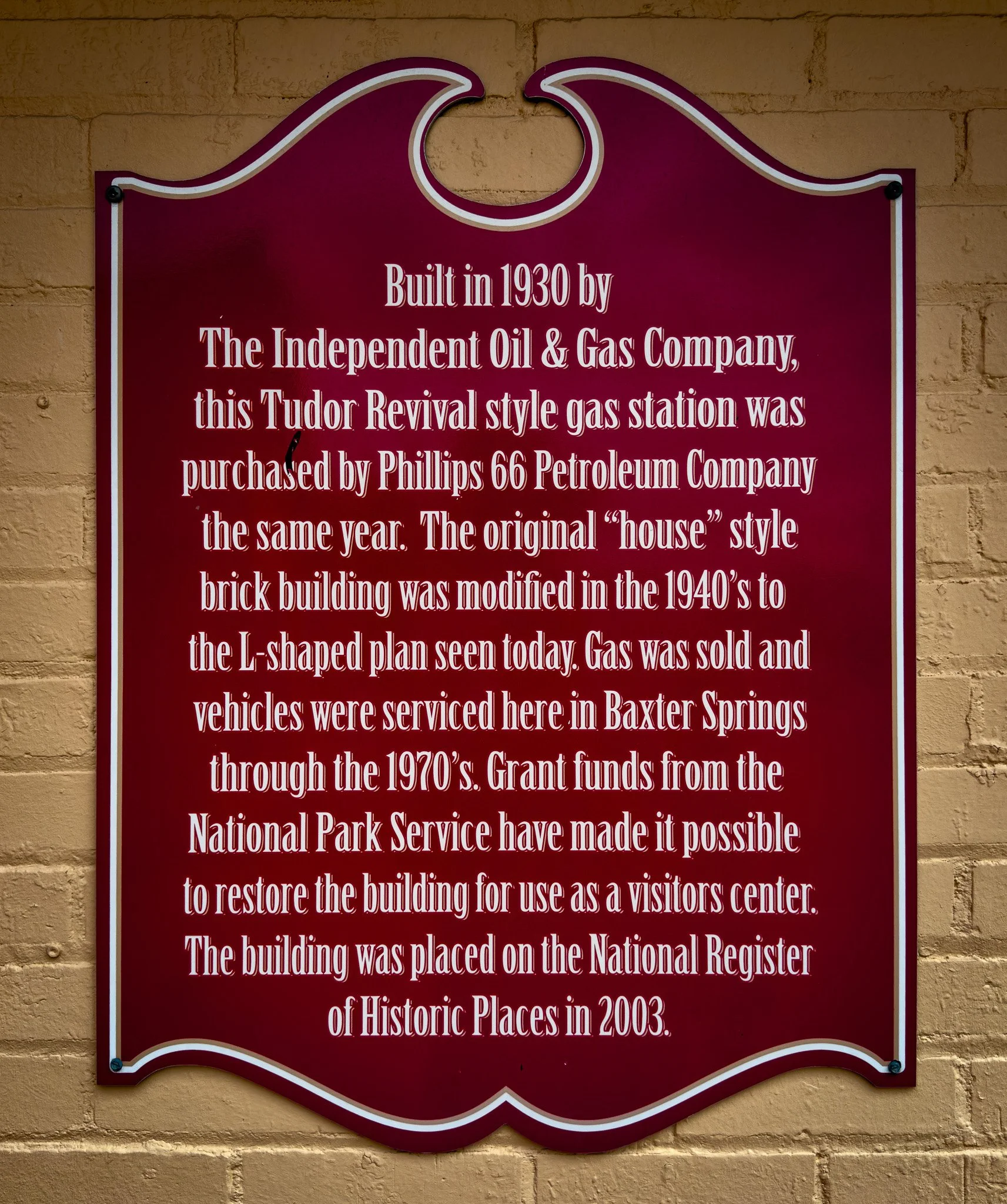
Kansas Route 66 Visitors Center. Unfortunately, it was closed today.
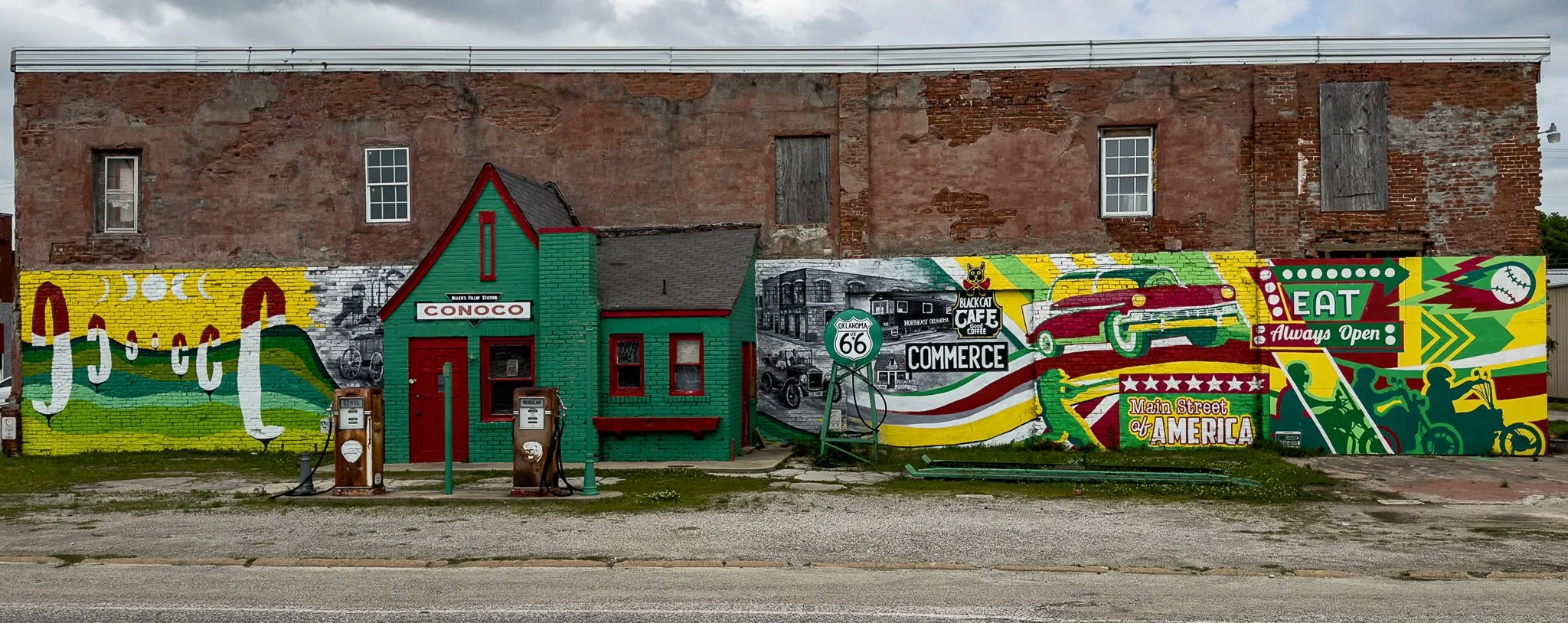
Now into our fourth state, of the eight on the route, this is Commerce, OK.
From ChatGPT:
The Conoco mural in Commerce, Oklahoma is part of the town’s Route 66 identity, highlighting its deep connection to early highway travel and oil-era service stations. It typically features imagery tied to the historic Conoco filling station, vintage gas pumps, and classic roadside Americana themes. Commerce itself was a key mining and Route 66 stop, so the mural helps preserve that heritage visually.
Click on Image for Map.
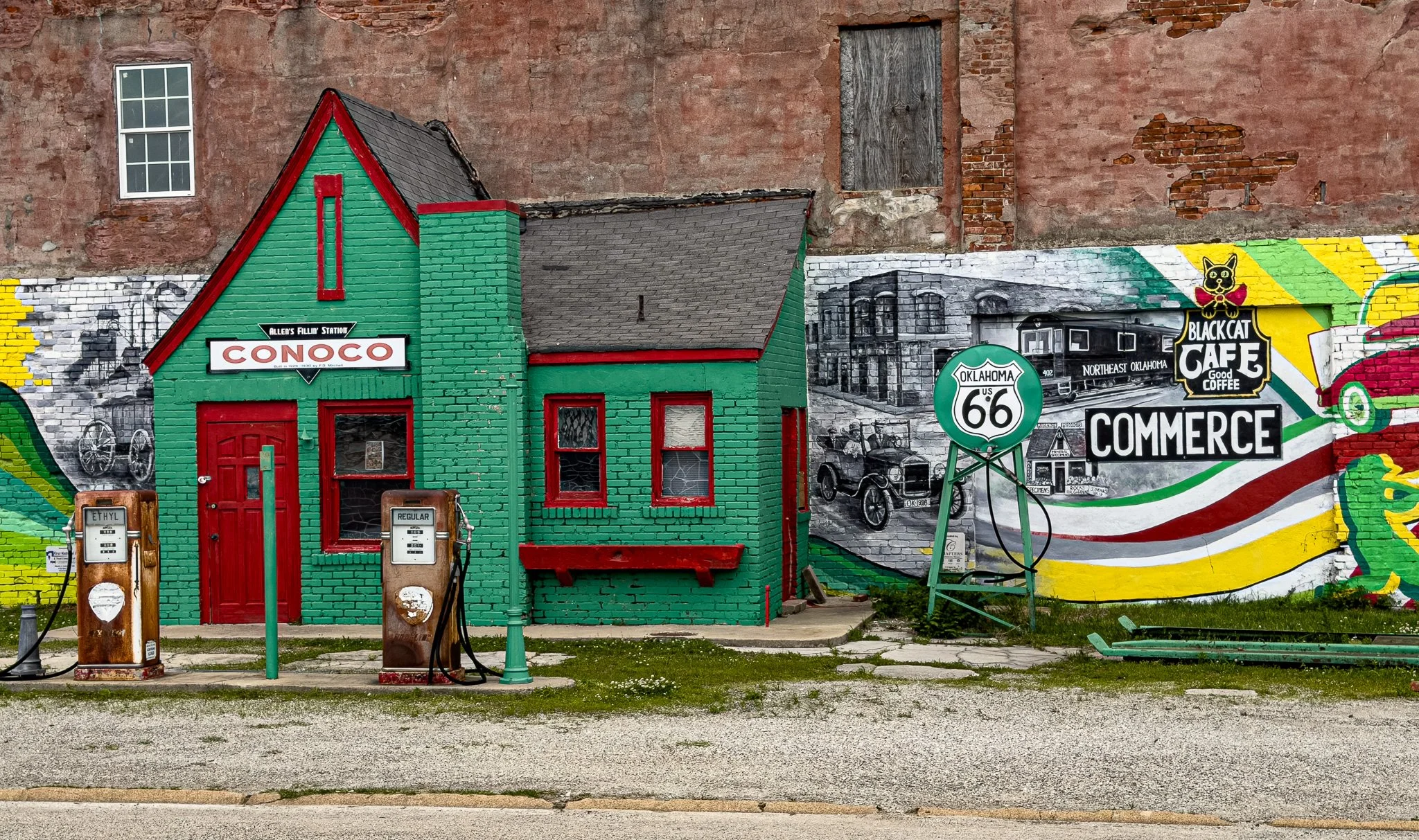
From ChatGPT:
he Conoco building in Commerce, Oklahoma, was originally a real roadside service station along early Route 66. Over time, like many small-town stations, it closed and deteriorated. When it was later preserved and painted with the mural, the structure itself was retained as an authentic building shell—though it is no longer operating as a functioning fuel station.
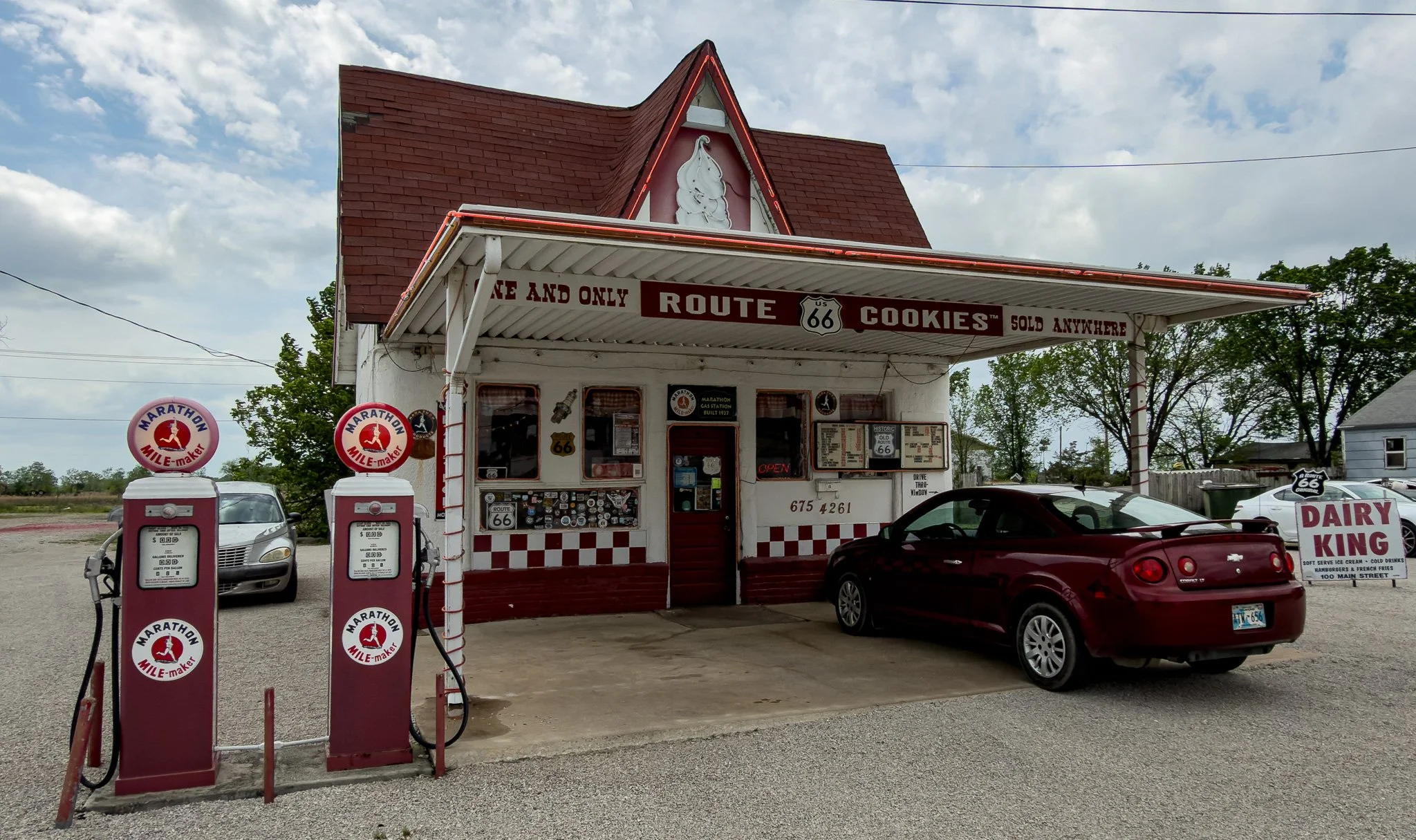
We stopped at the Dairy King for a soft-serve vanilla cone and a famous Route 66 Shield cookie.
We left with a new appreciation of the history of this building and a geology lesson!
Click on Image for Map.
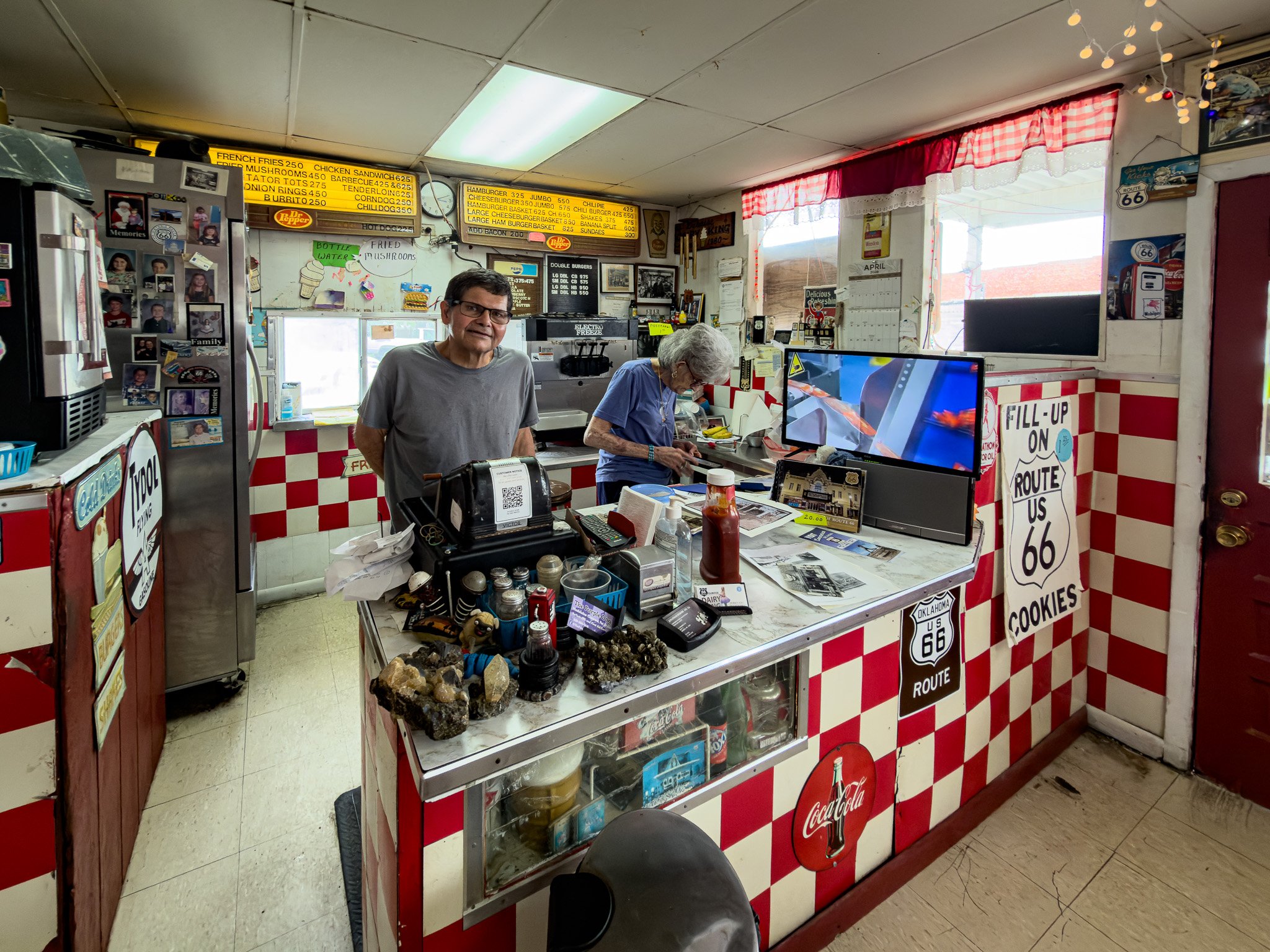
This mother and son combination own the Diary King. They are such nice people. While we were enjoying our ice cream, in came a geologist who used to work for the oil companies in Texas and was traveling in search of “rocks.” He and the owner gave us quite a lesson on the history of the building and the local geology of minerals in the area. The owner went in the back room and came back with is mineral and gem collection. What was supposed to be 10 minutes for an ice cream turned into almost an hour.
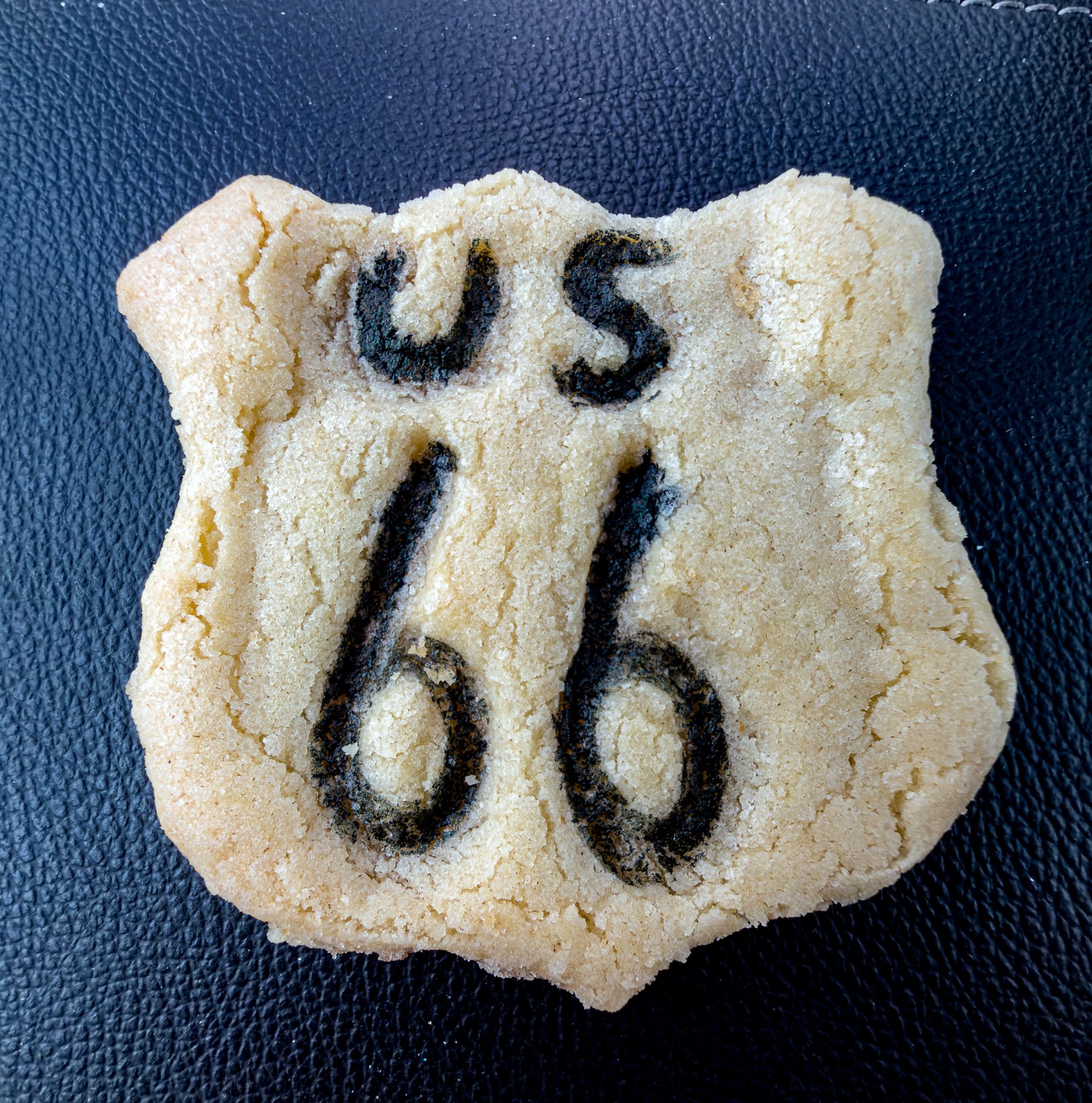
The famous Route 66 cookie.
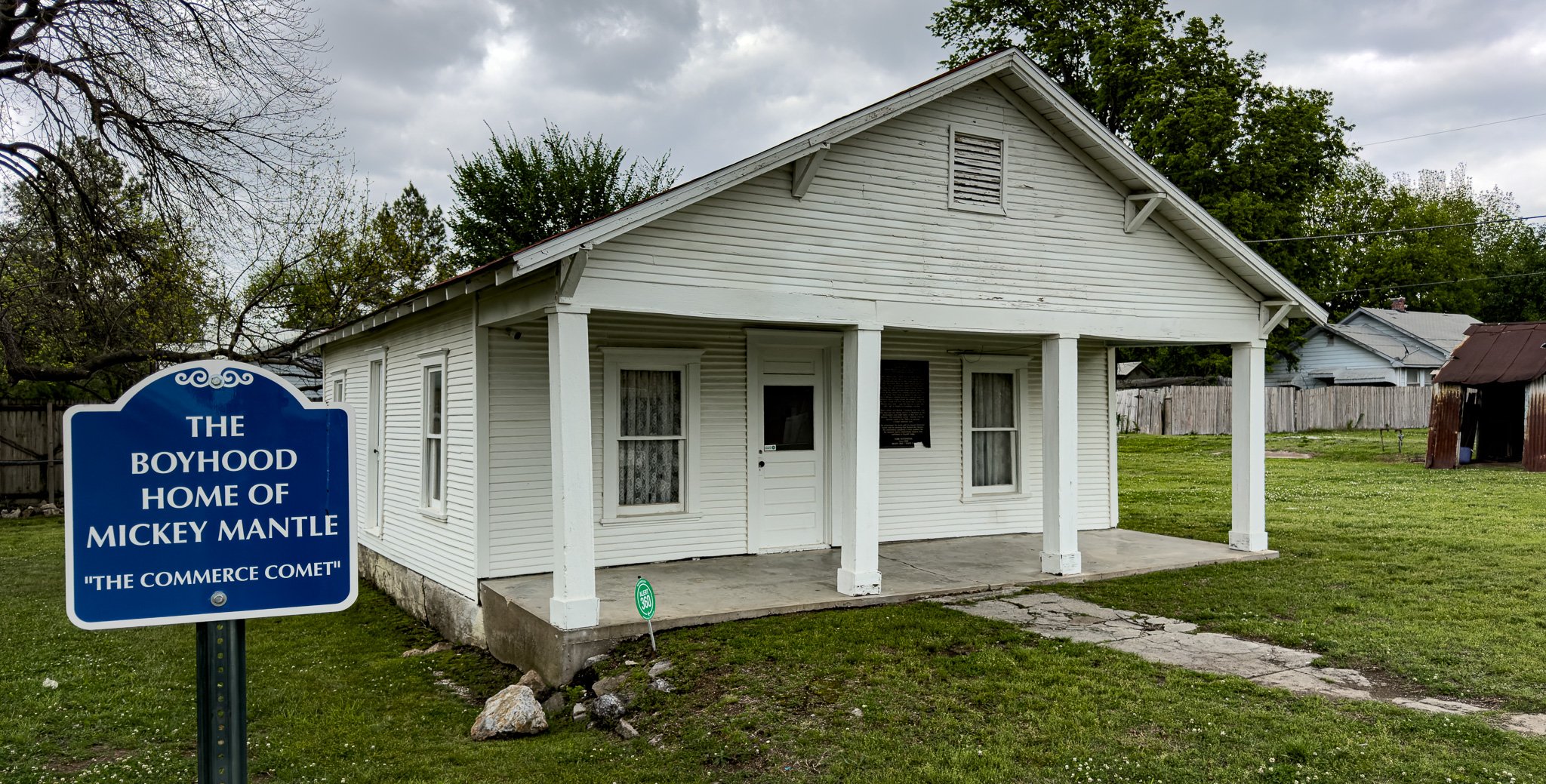
Had to stop by Mickey’s childhood home.
Click on Image for Map.
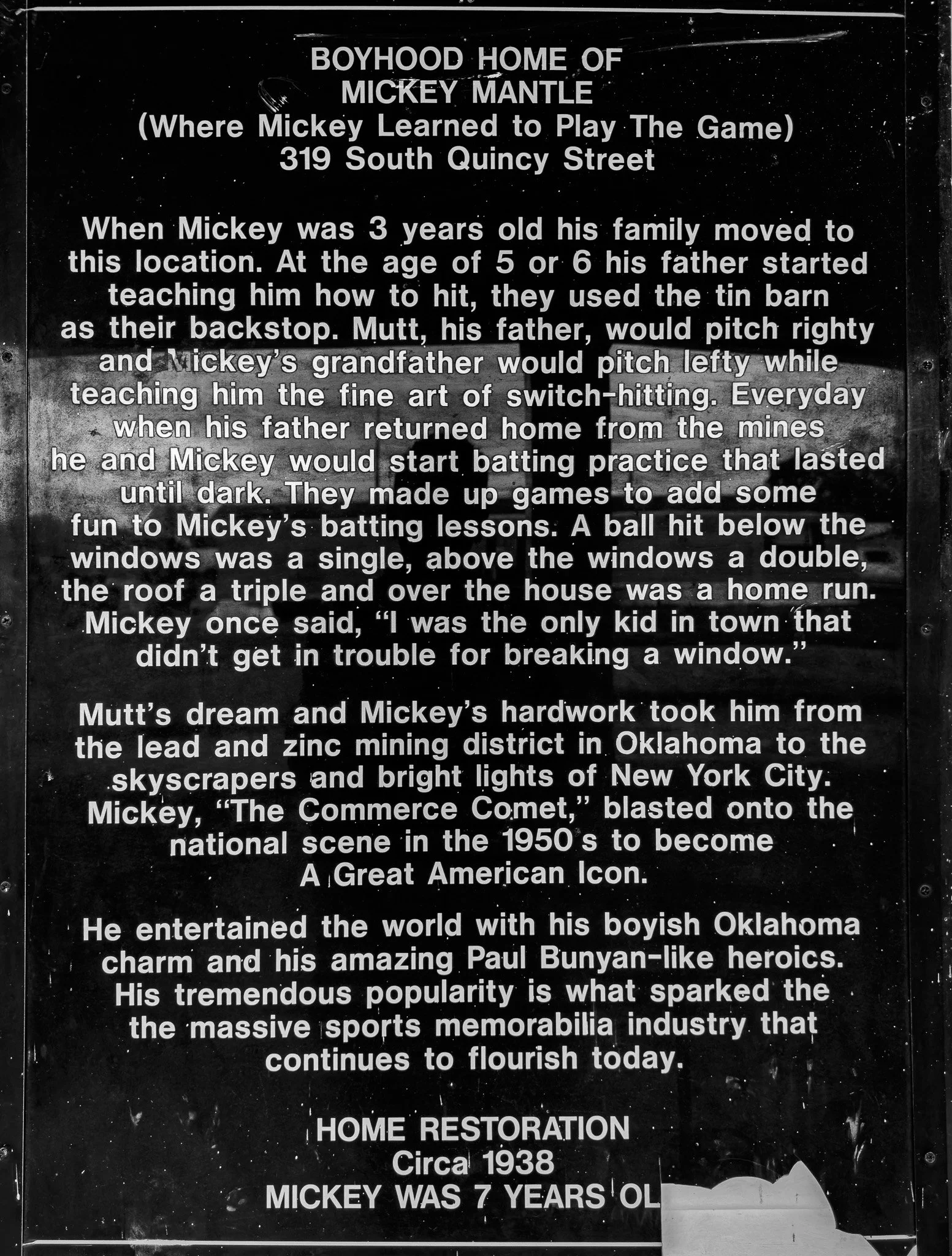
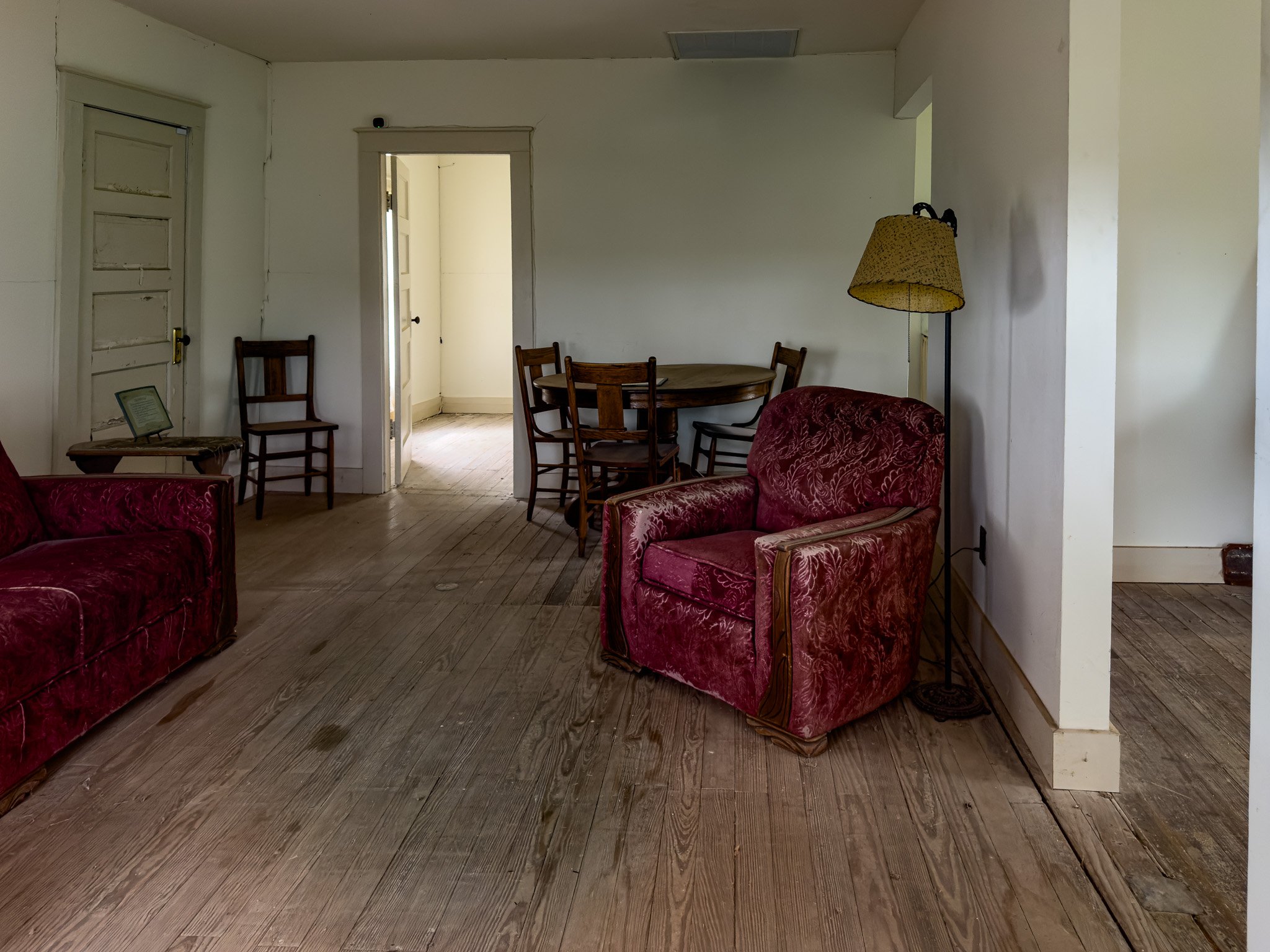
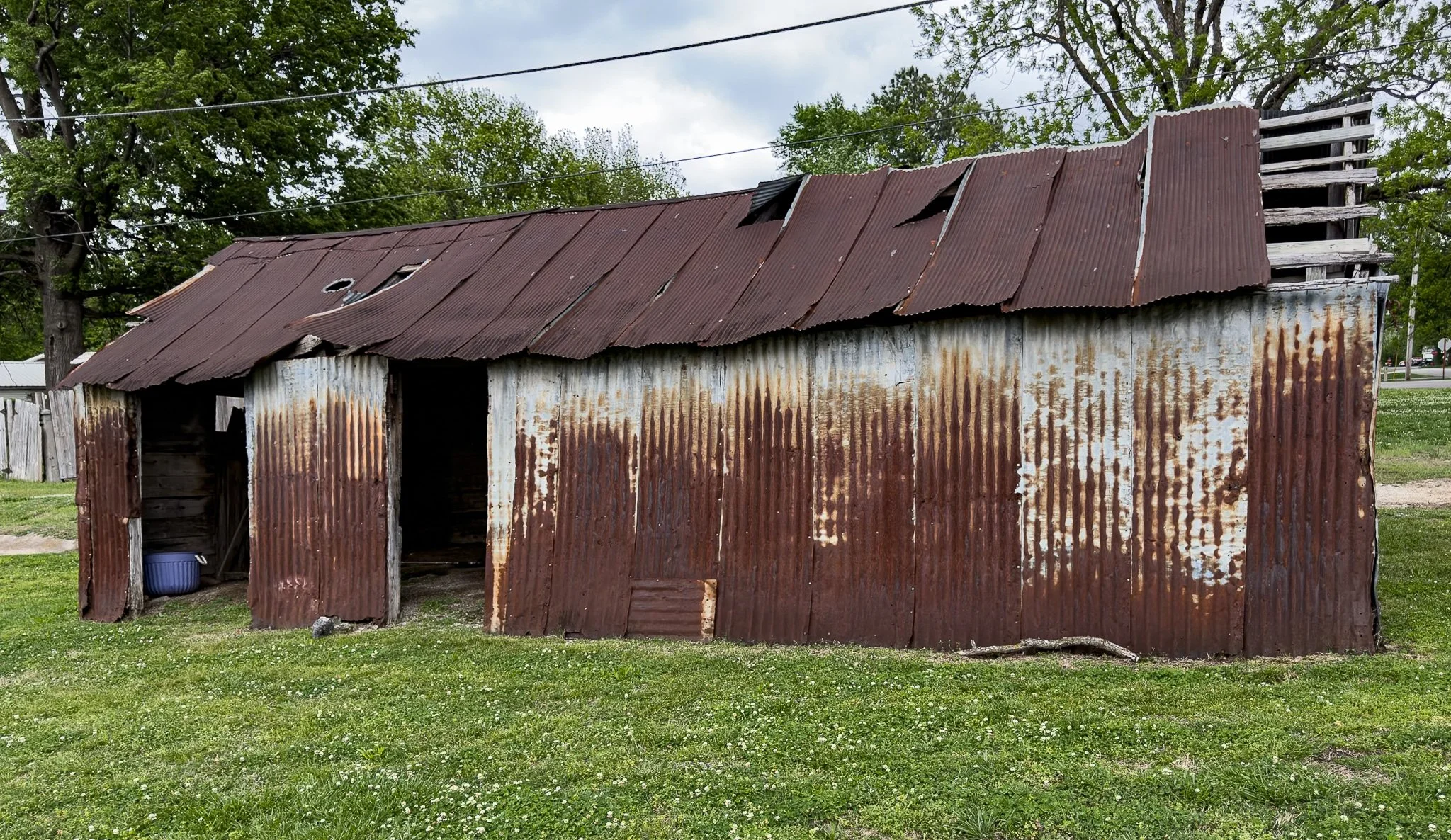
The metal shed he used as a backstop.
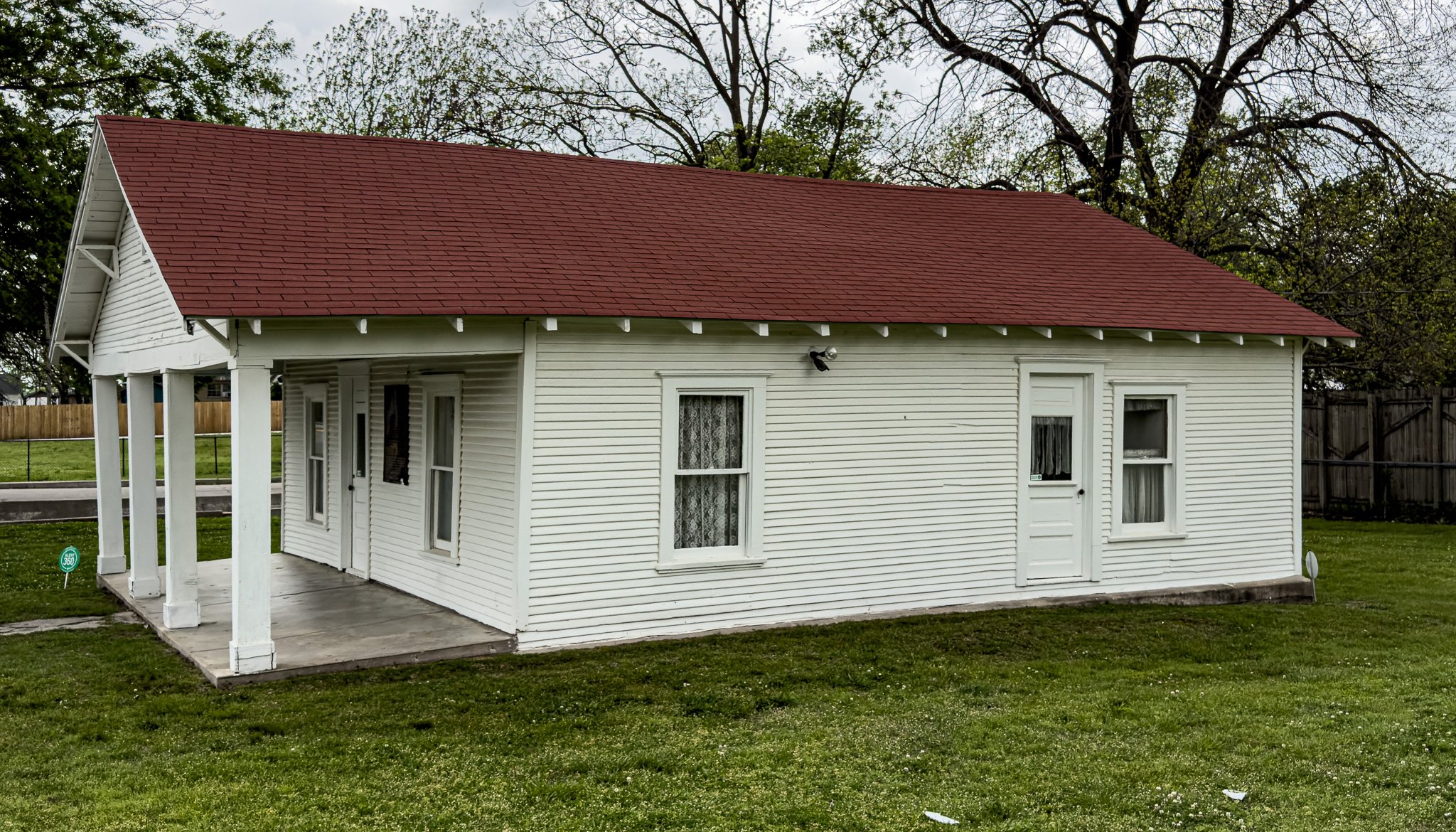
This side of the house served as the “ground rules” for the games he would play with his father.
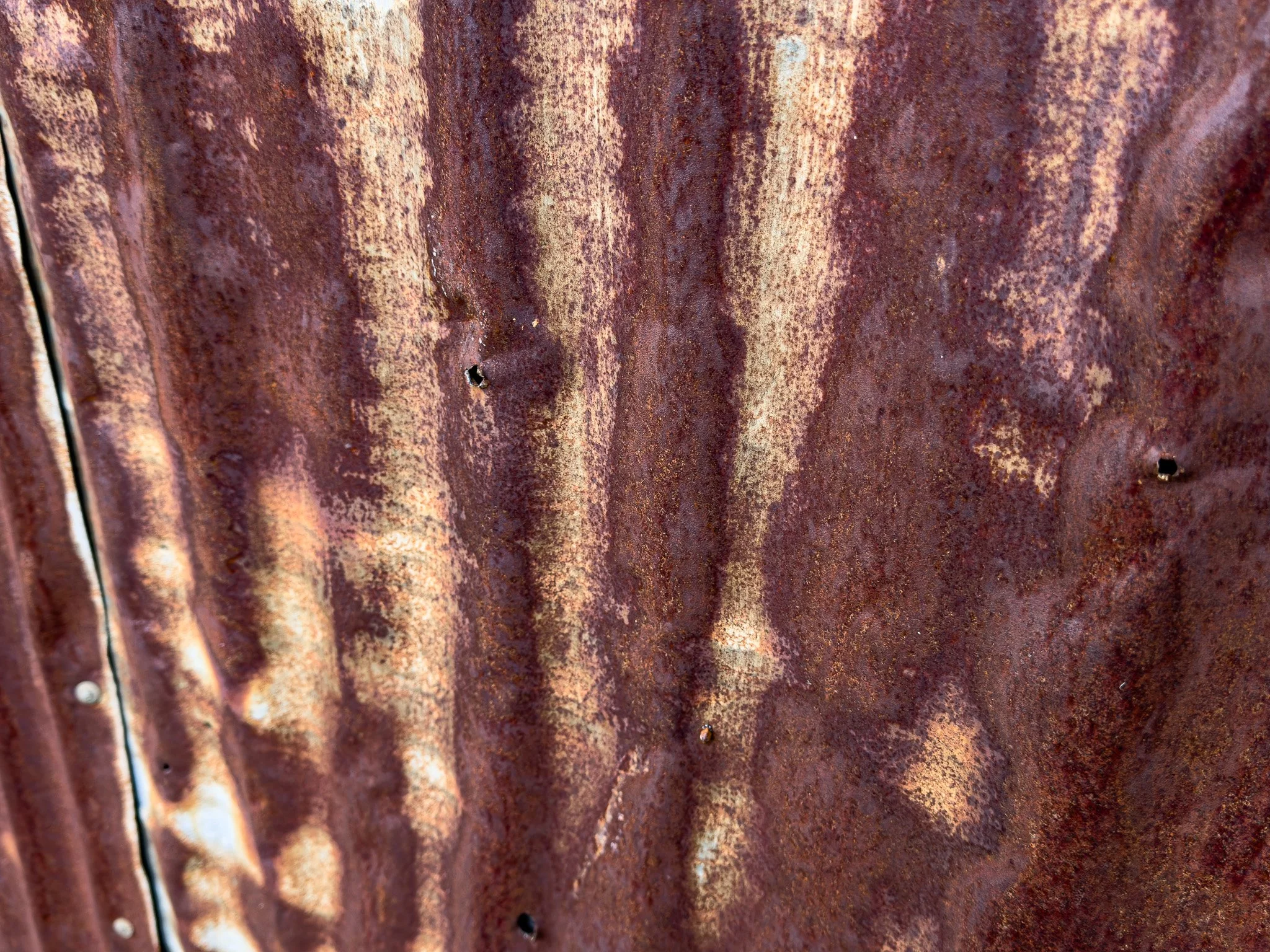
I read somewhere that these dents in the metal shed are from the balls pitched to Mickey or those he hit off the wall. Either way, provided that is true, this is quite a cherished bit of baseball history.
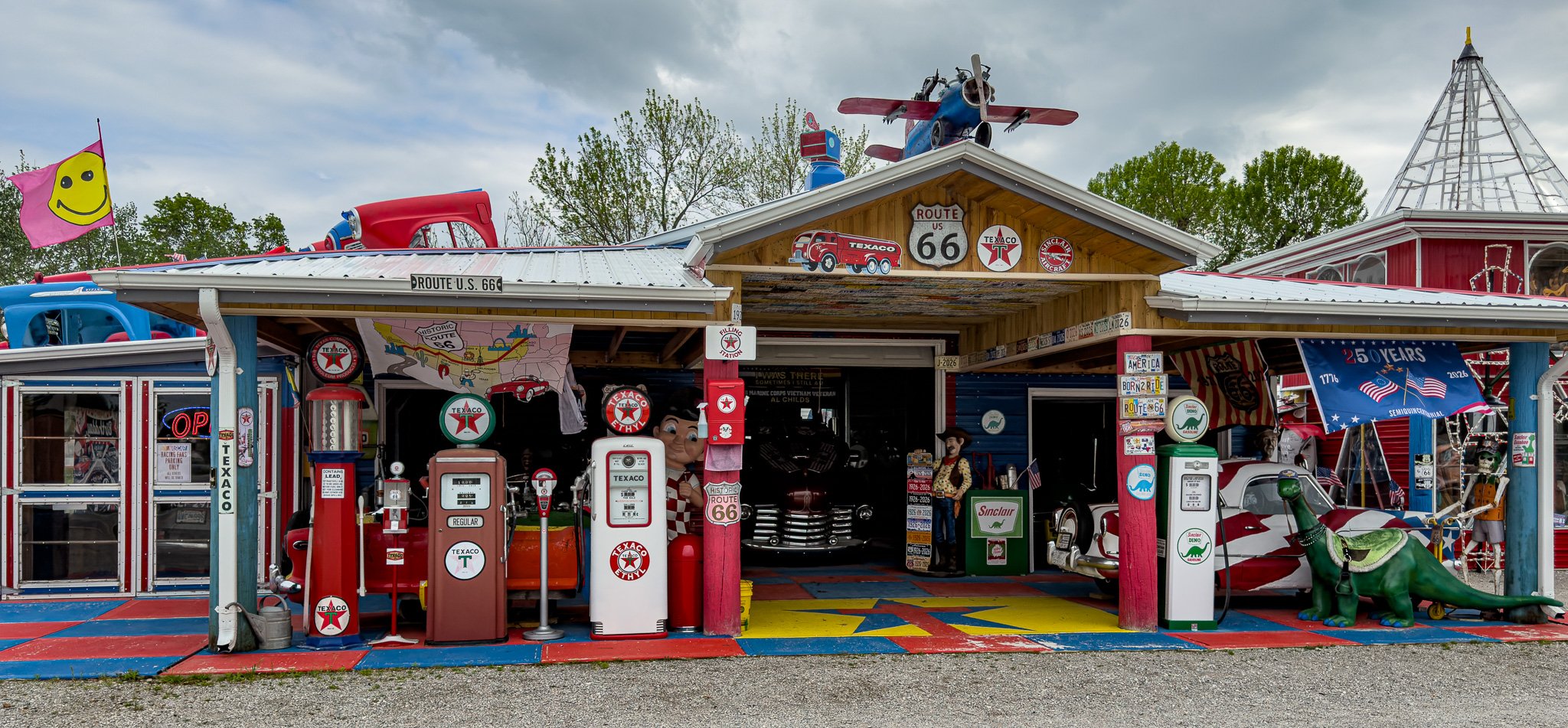
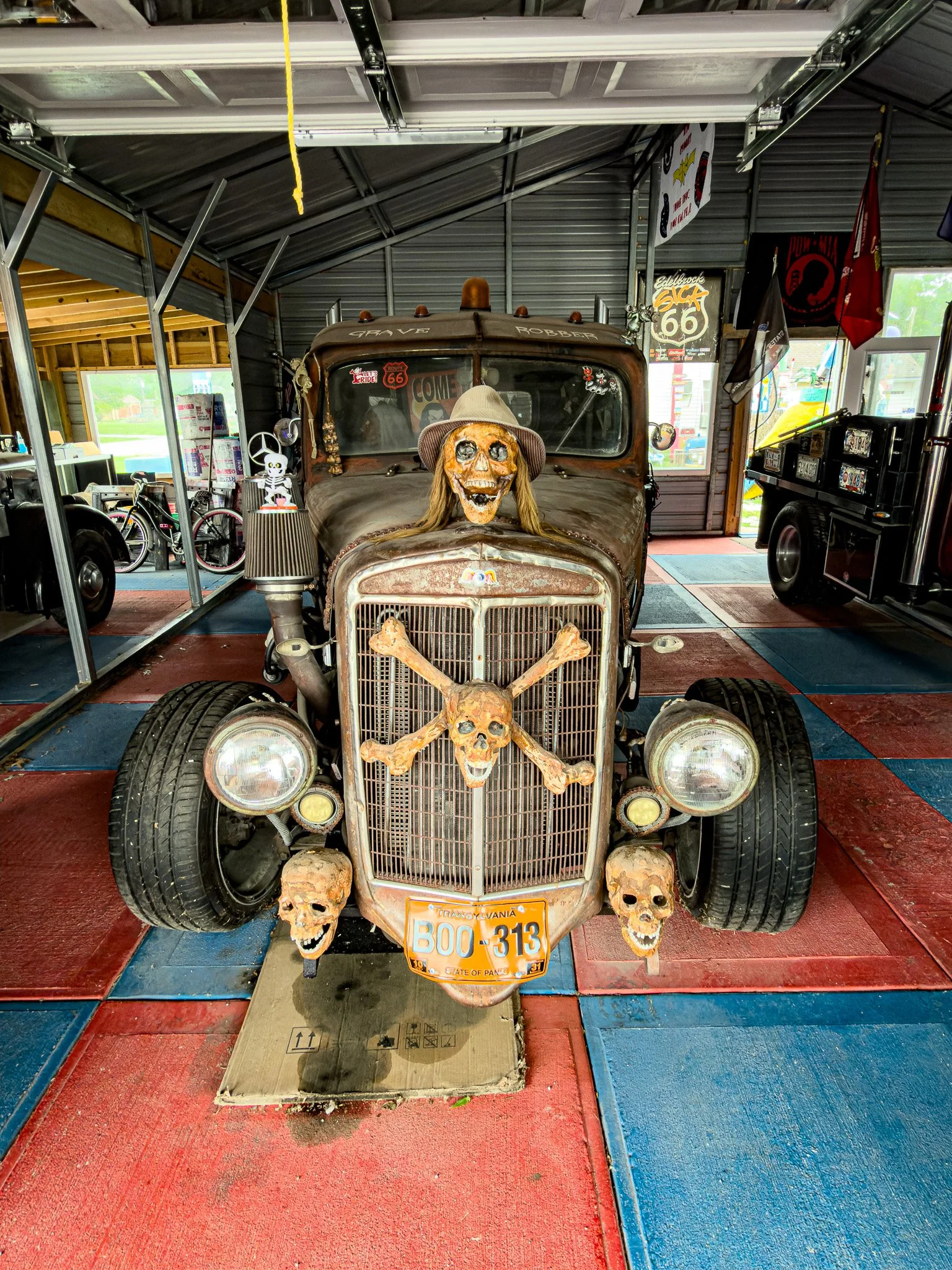
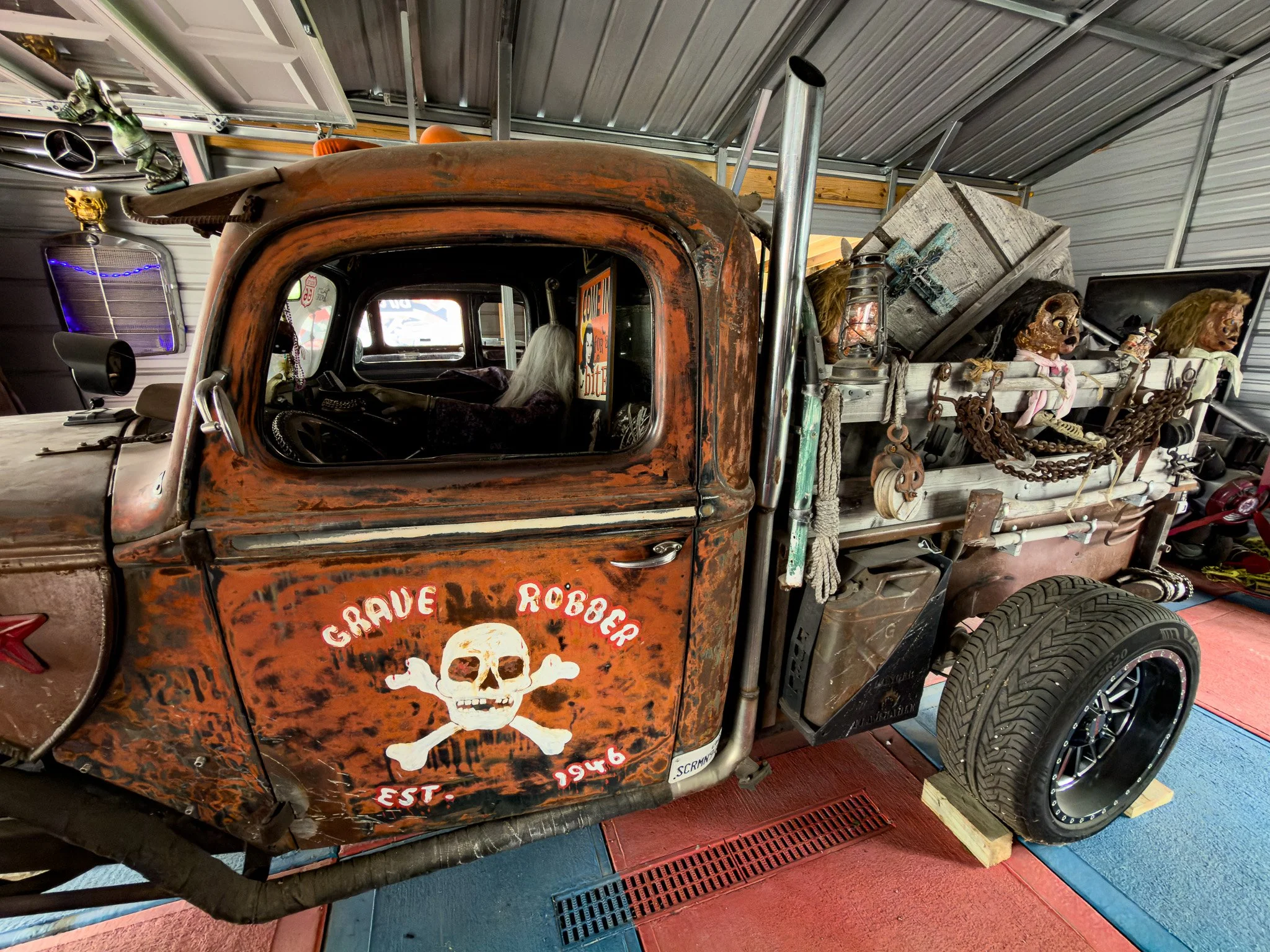
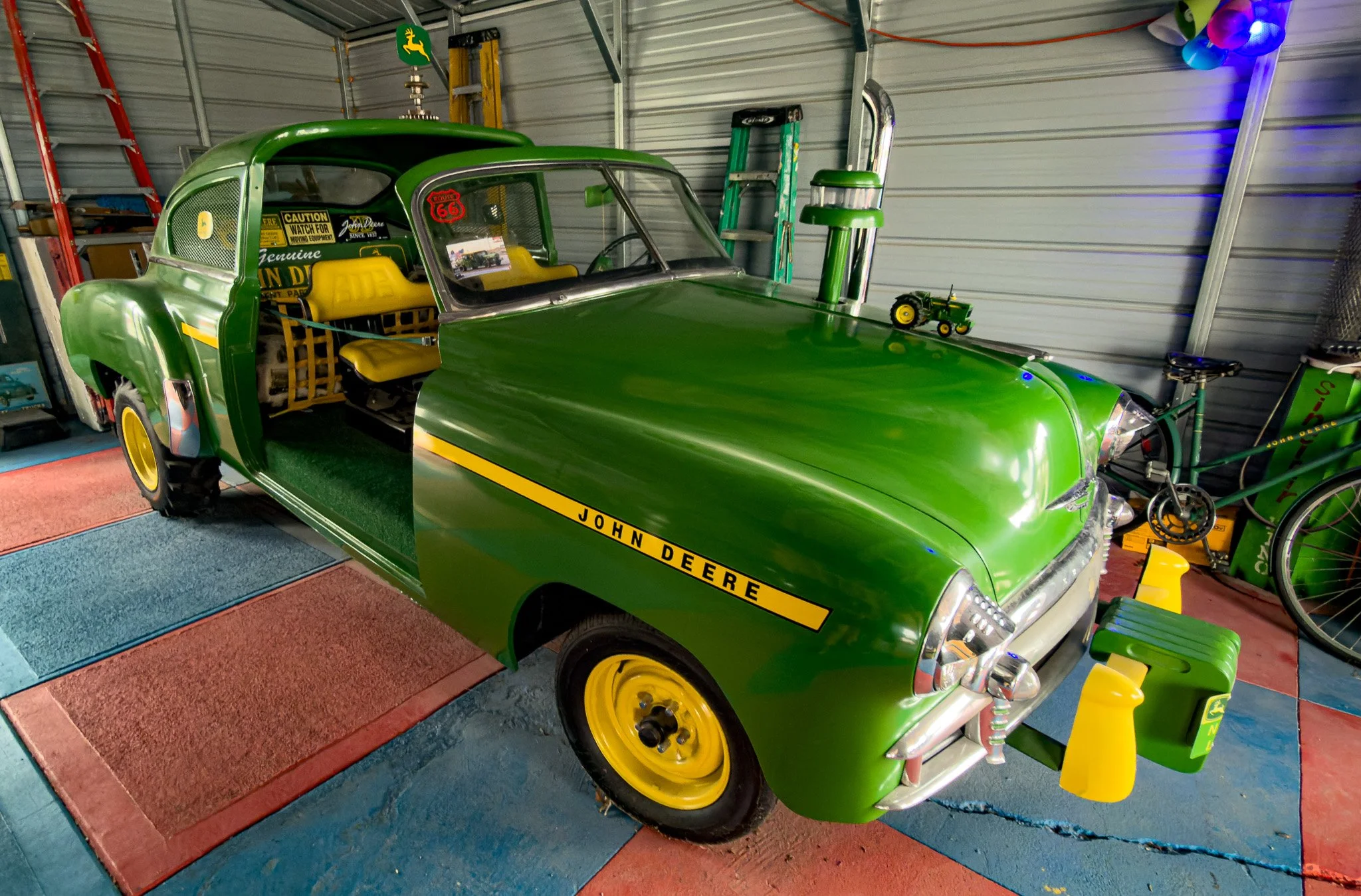
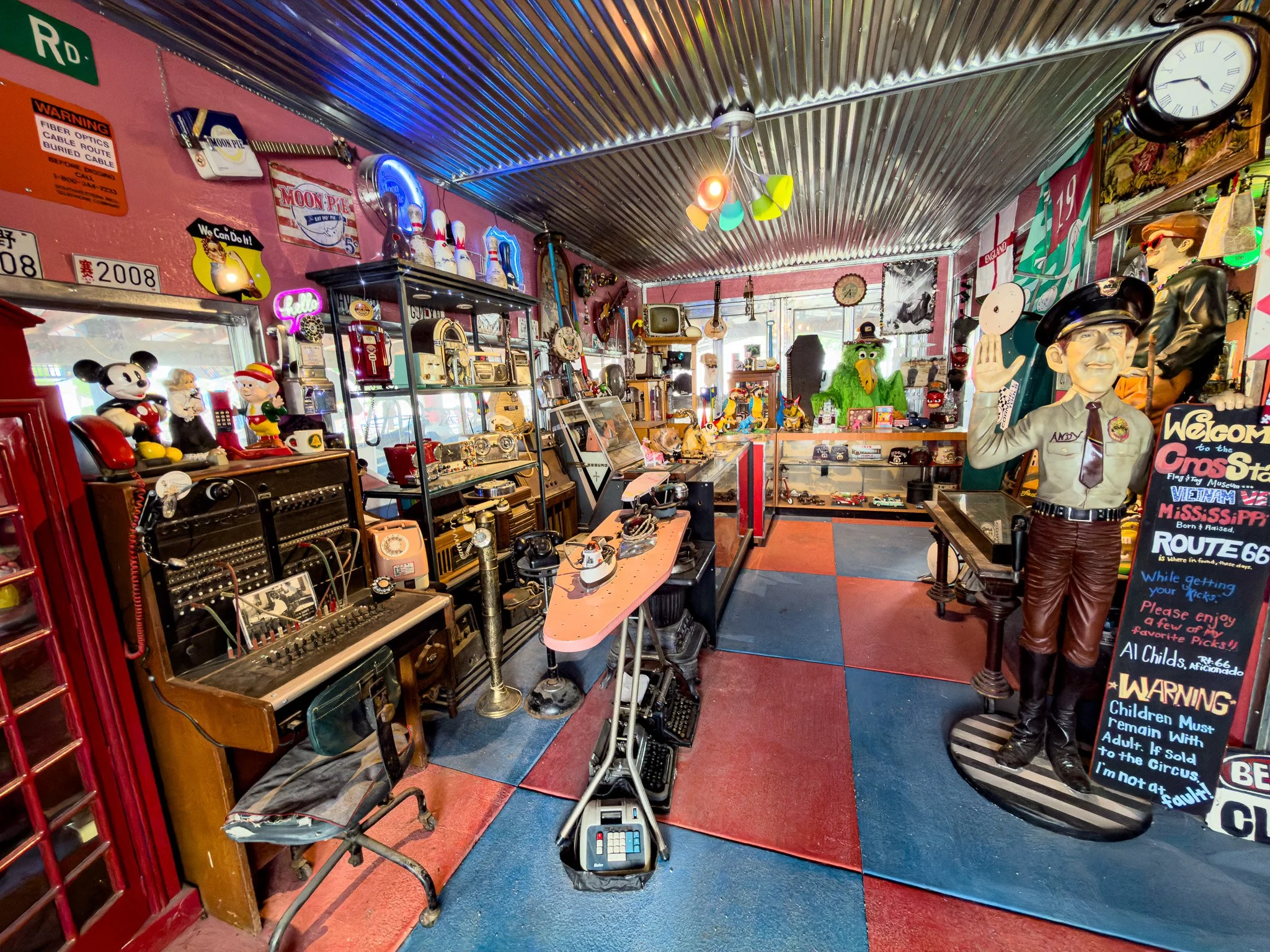
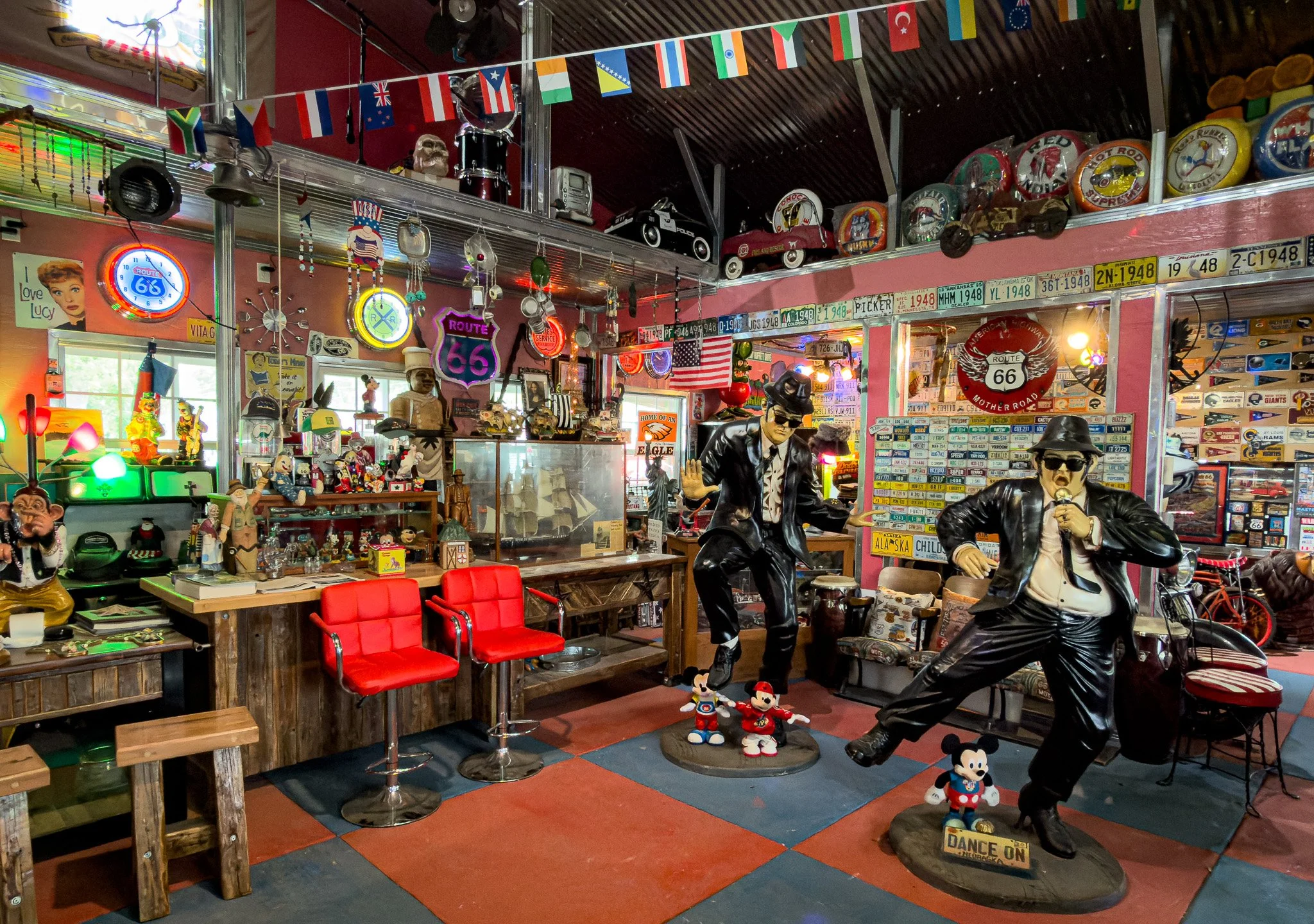
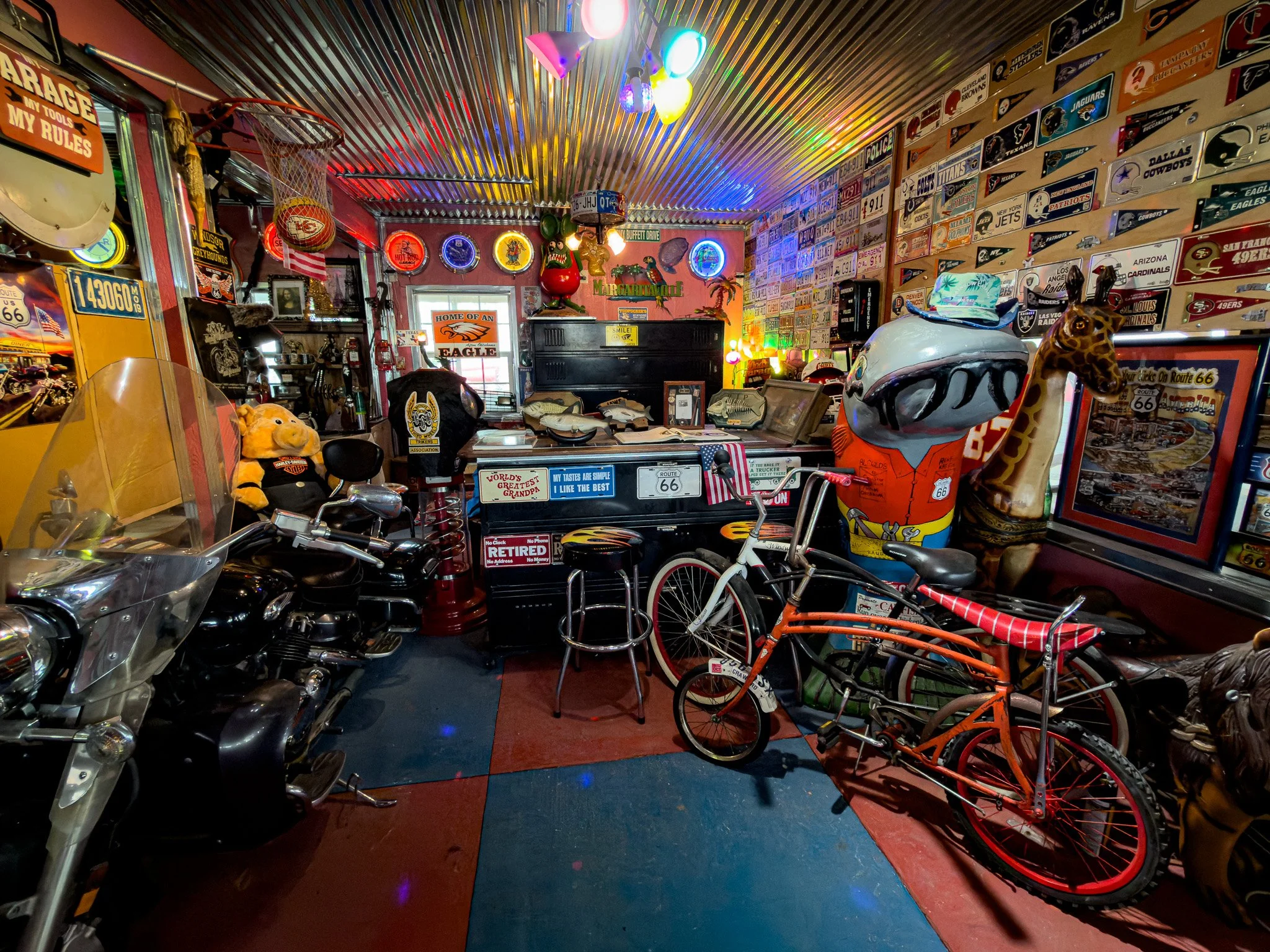
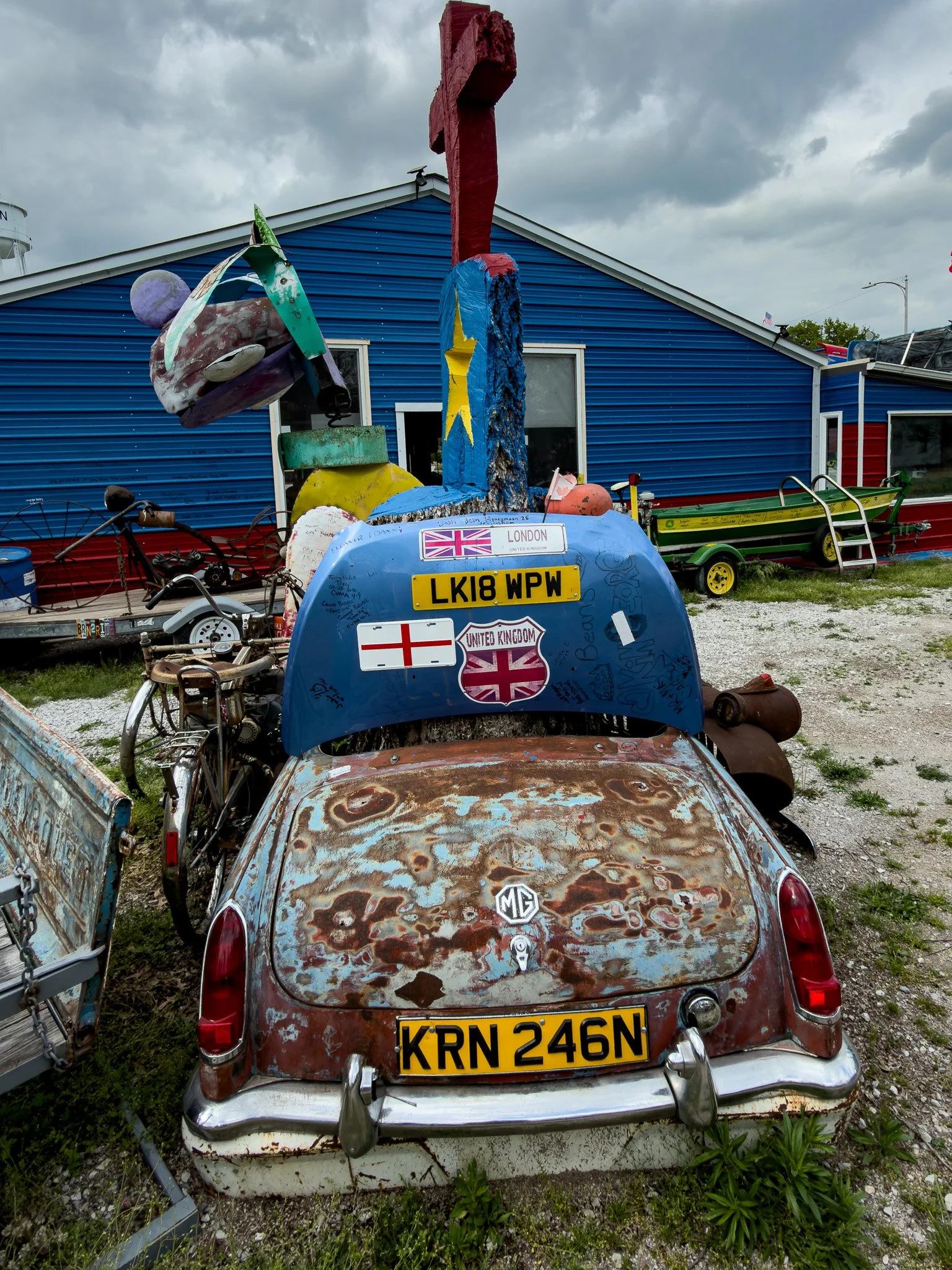
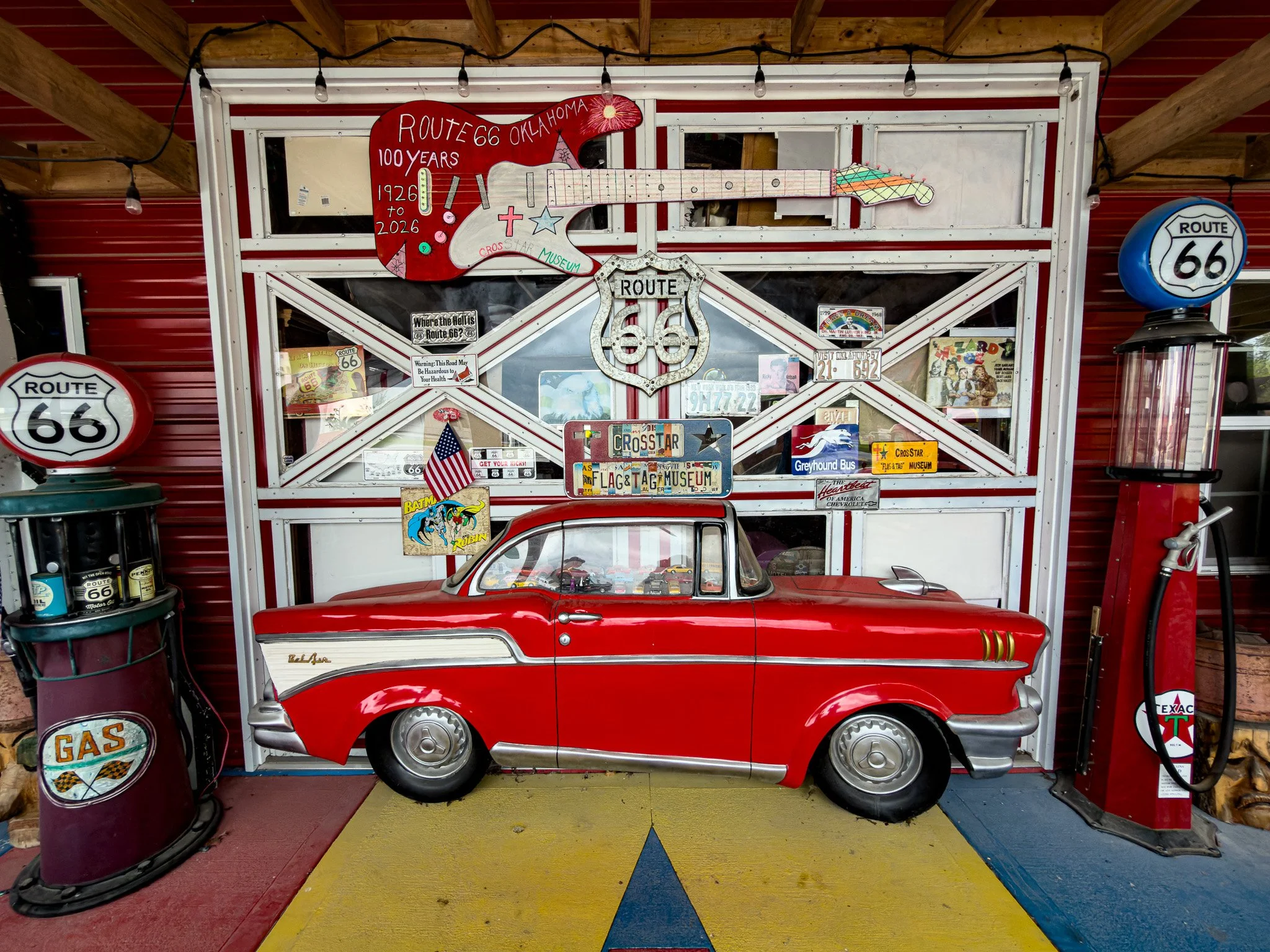
If you thought Gary’s Gay Parita was strange, this is OVER THE TOP!! This is Crosstar Flag & Tag in Afton, OK.
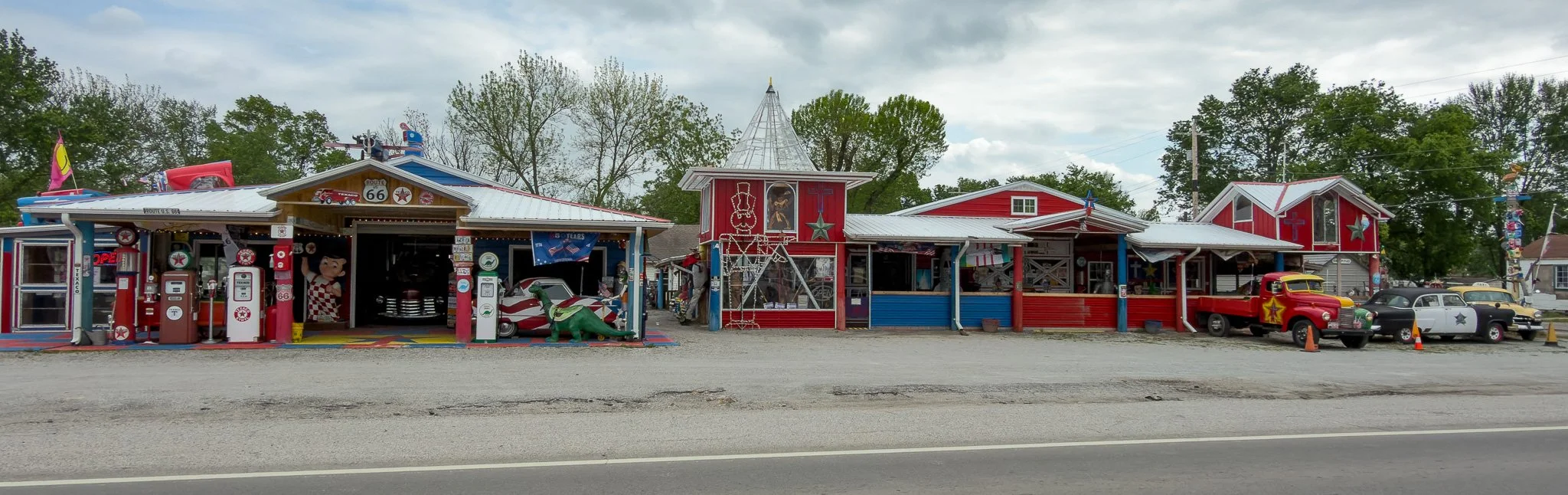
This “art installation” or “museum” takes up two city blocks. The next image shows the shear size of this thing.
Words can’t do it justice, so I’ll let ChatGPT try to explain. You can decide for yourself over the next several images.
The Crosstar Flag & Tag in Afton, Oklahoma is a quirky Route 66 roadside attraction created by local artist Al Childs in 2022. Built in his yard facing the Mother Road, it showcases thousands of license plates, repurposed objects, and whimsical metal sculptures. The stop is free and intentionally non-commercial, focused on creativity rather than sales. It reflects classic “outsider art” spirit along Route 66, blending humor, recycling, and visual overload into a constantly evolving backyard museum experience.
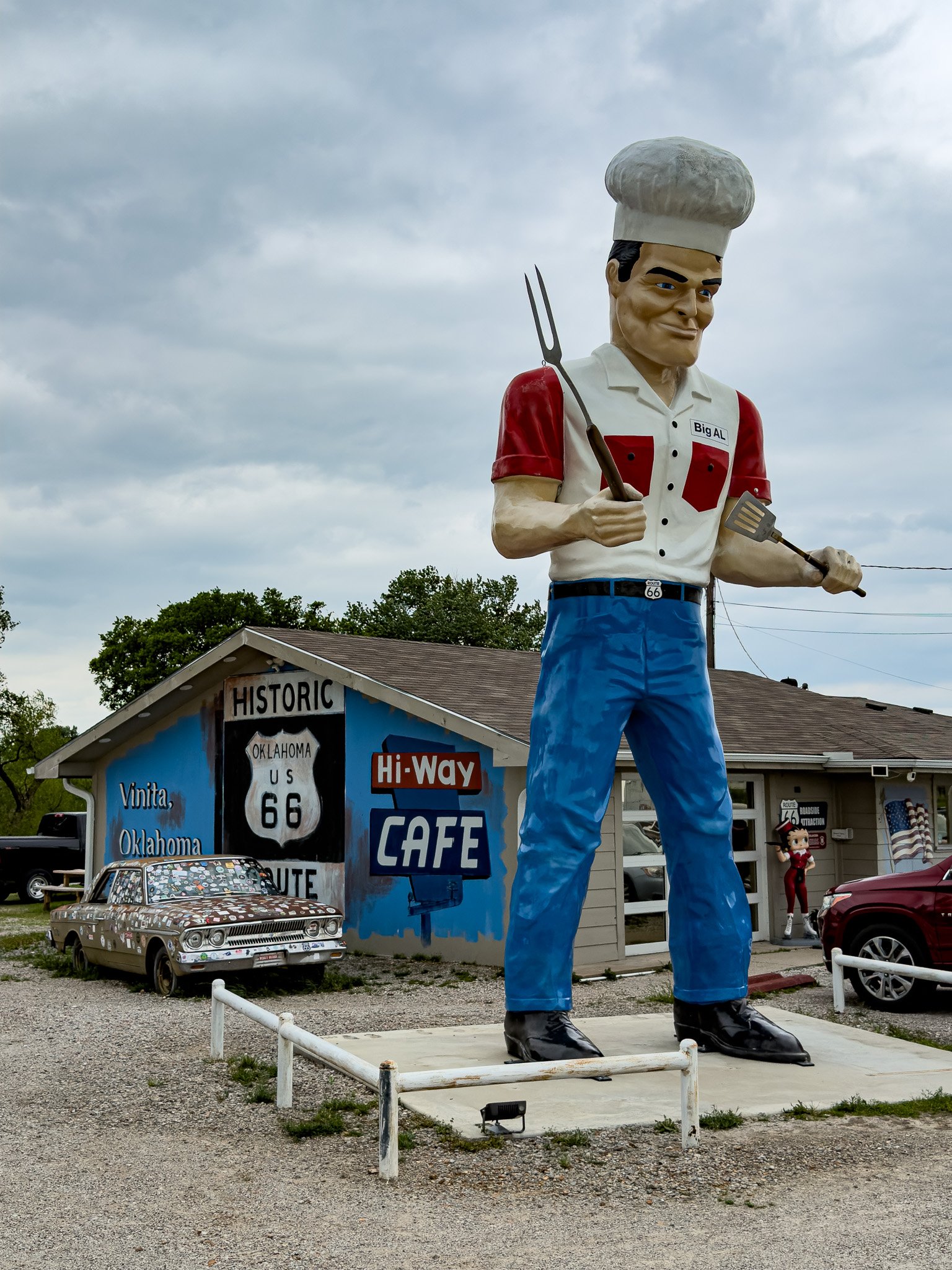
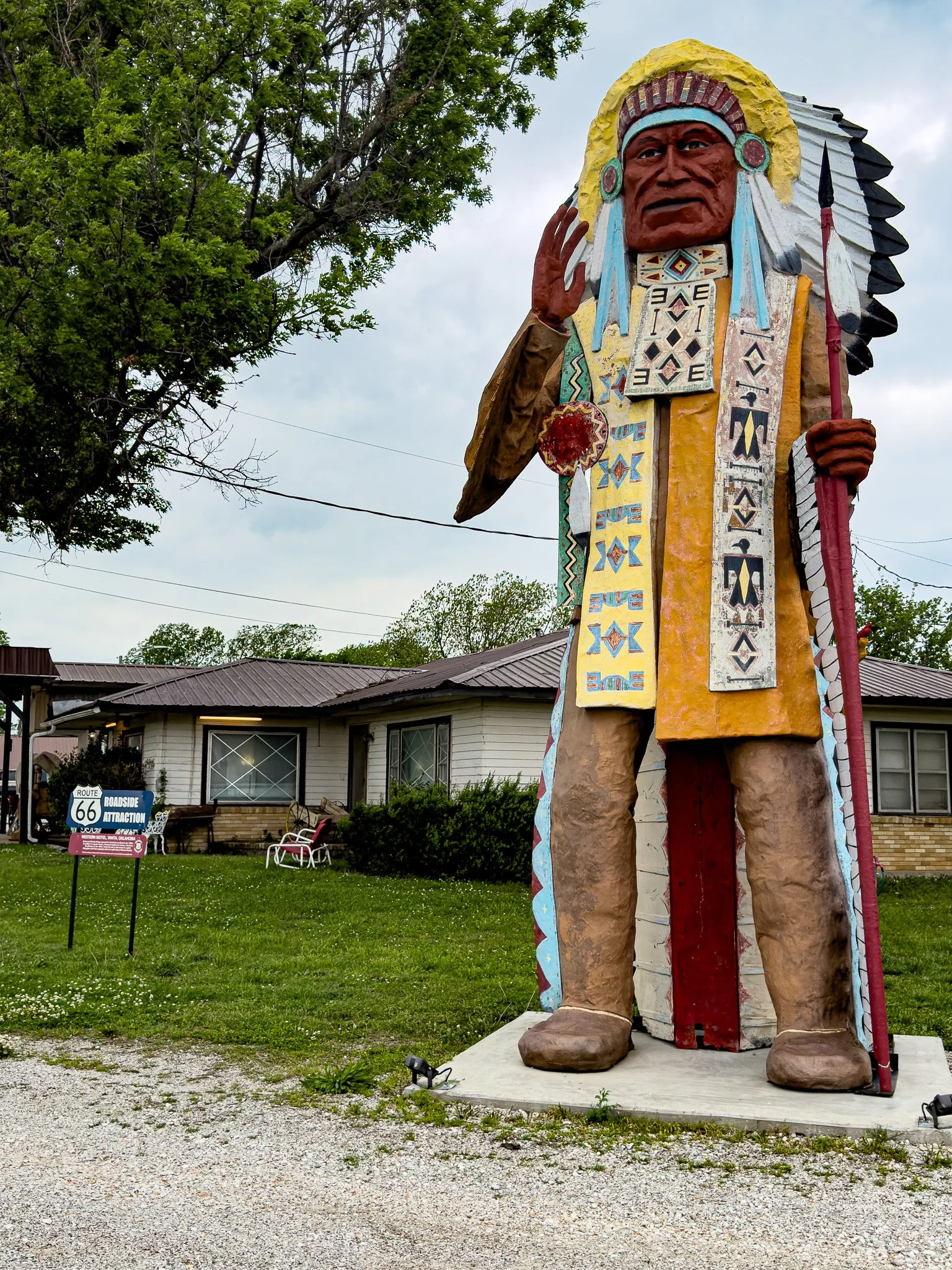
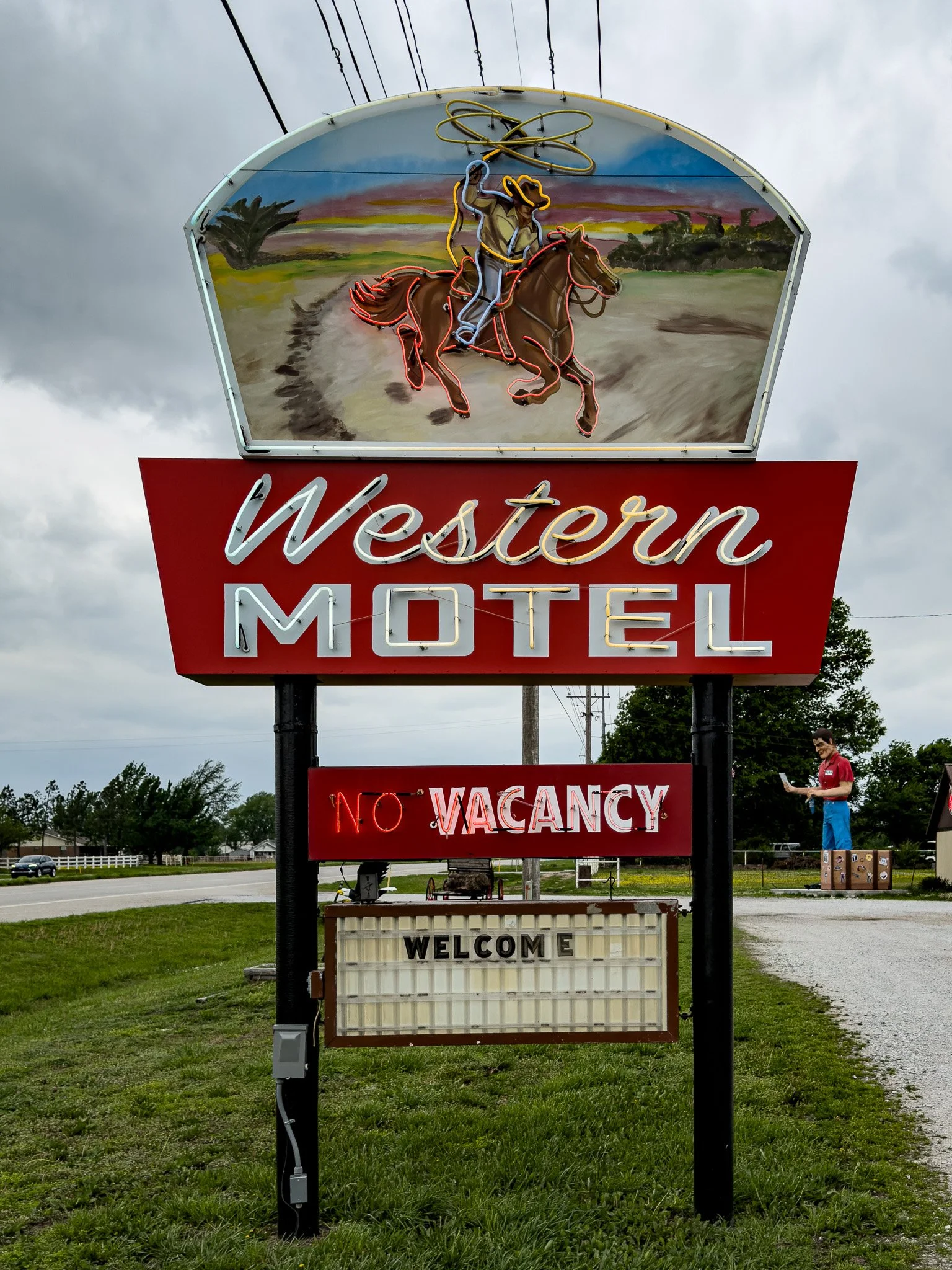
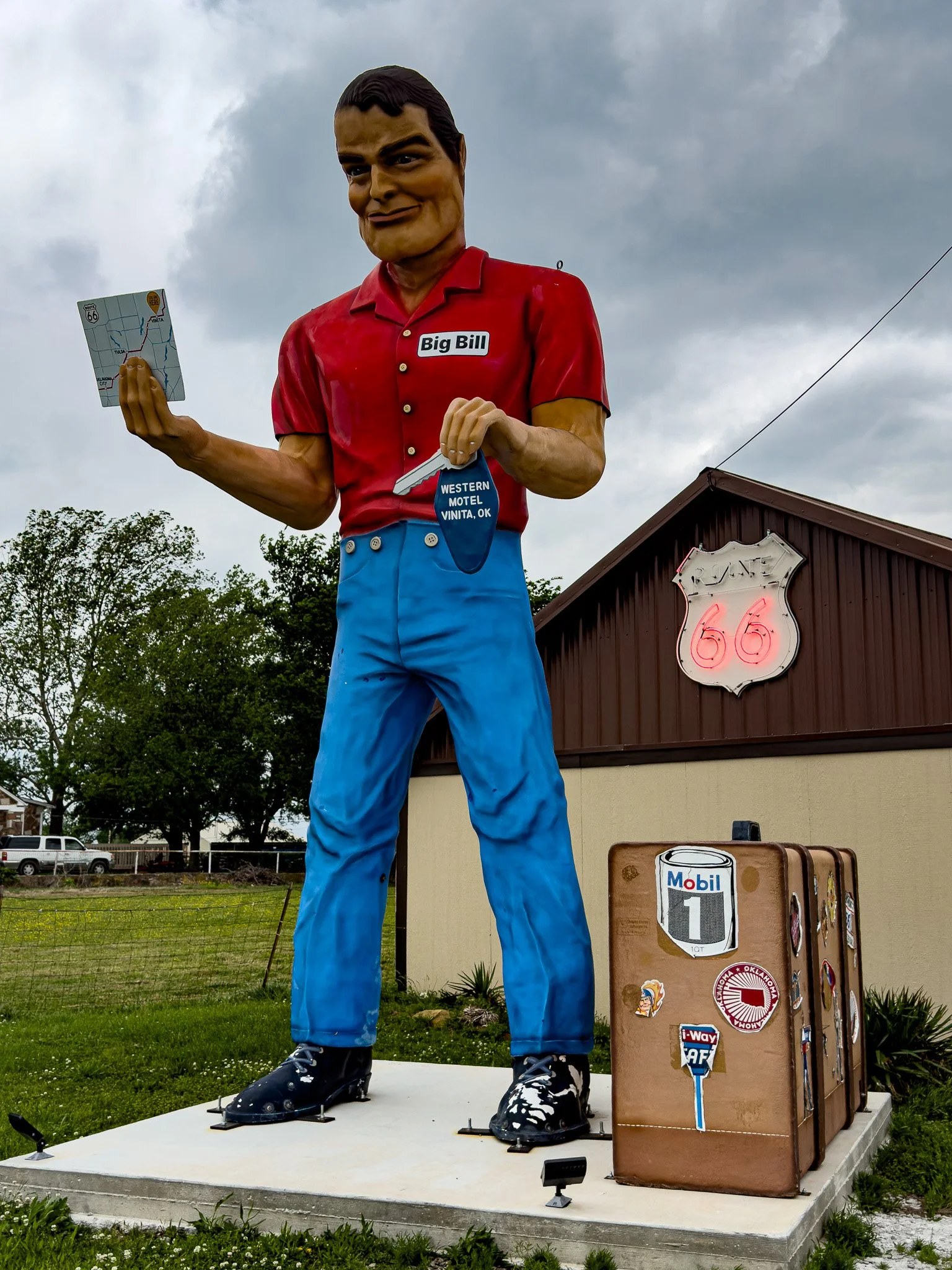
The Hi-Way Cafe an Western Motel have some giants and neon.
Click on Image for Map.
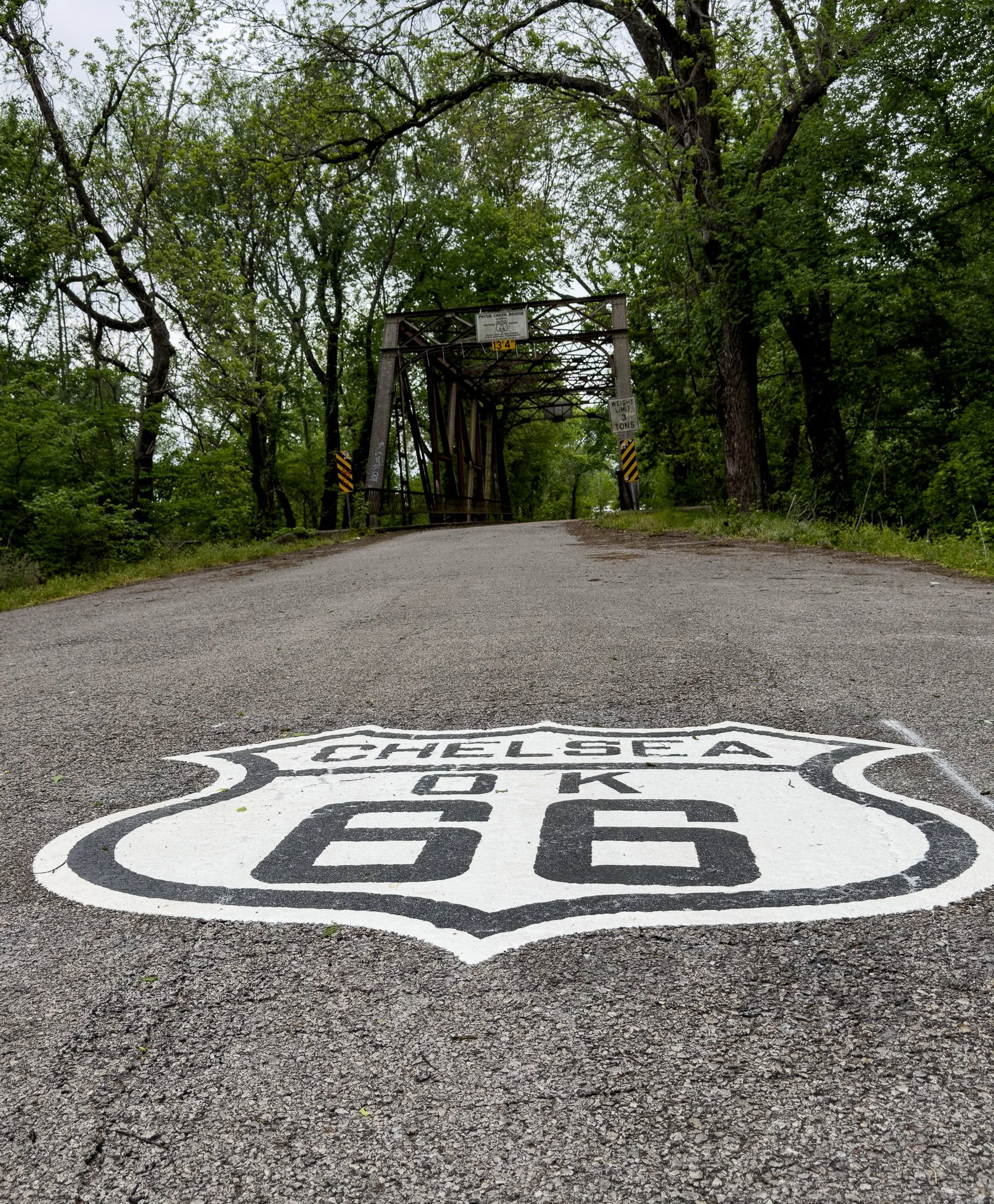
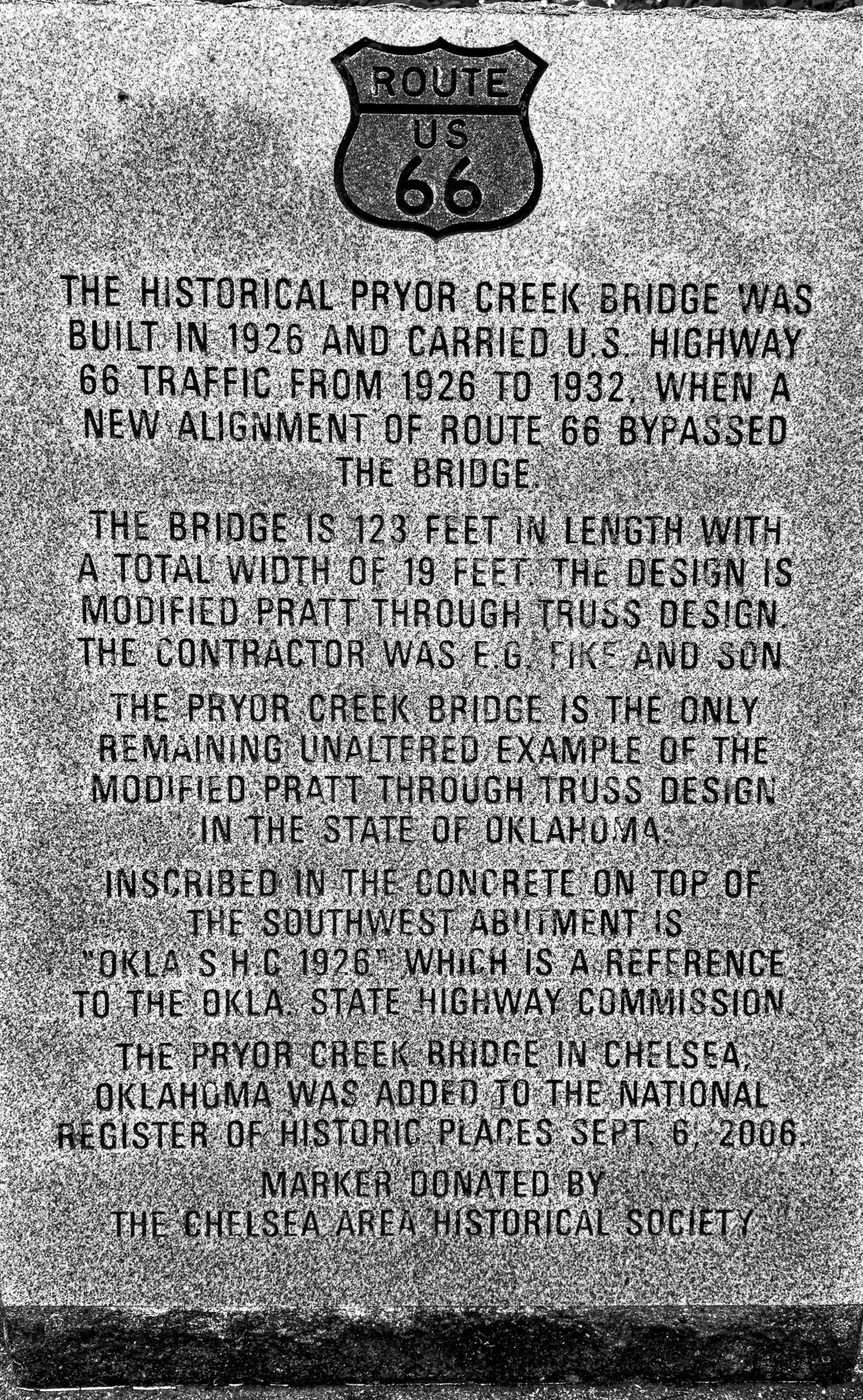
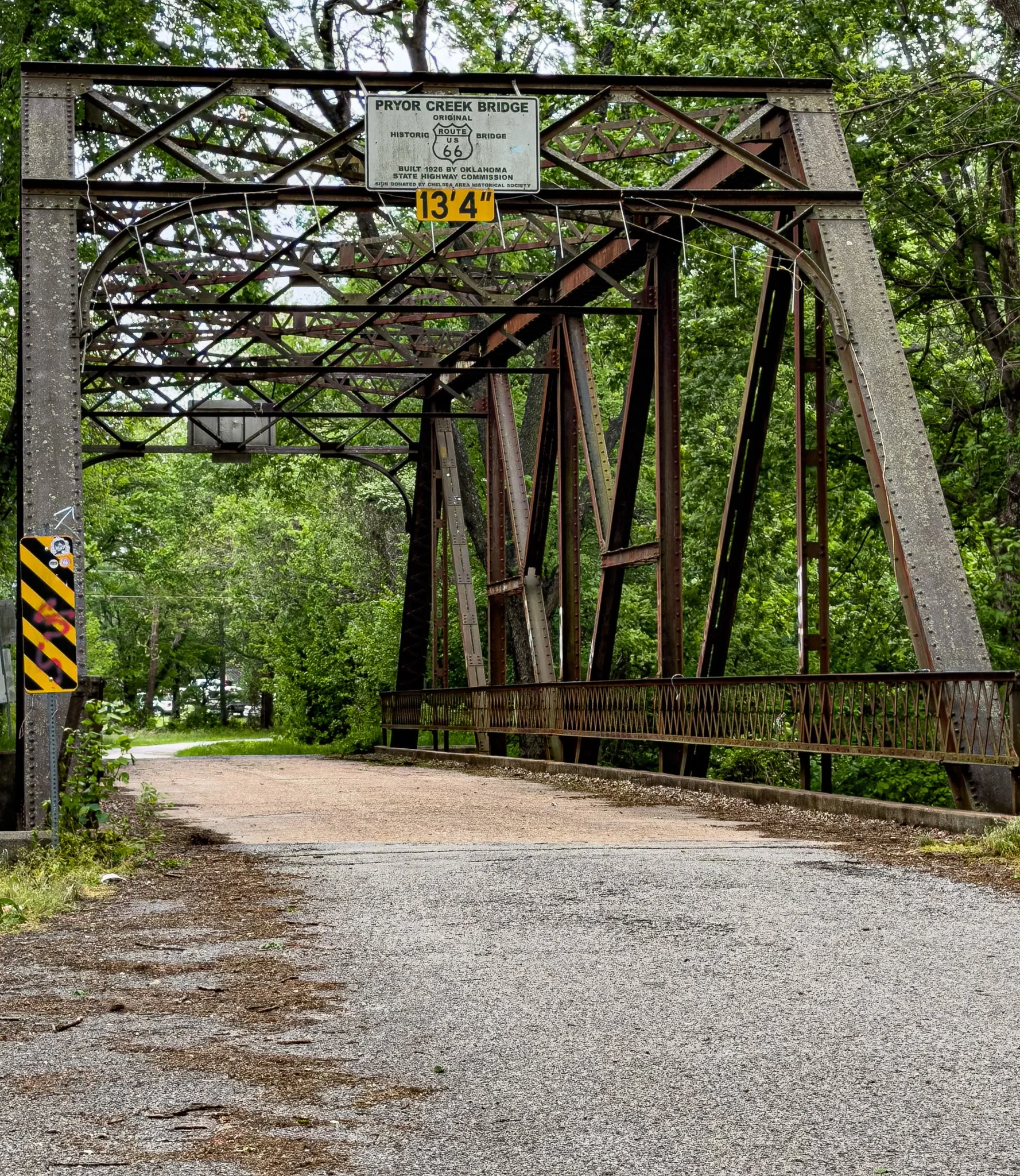
More original Route 66 and the history 100 year old Pryor Creek Bridge.
Click on Image for Map.
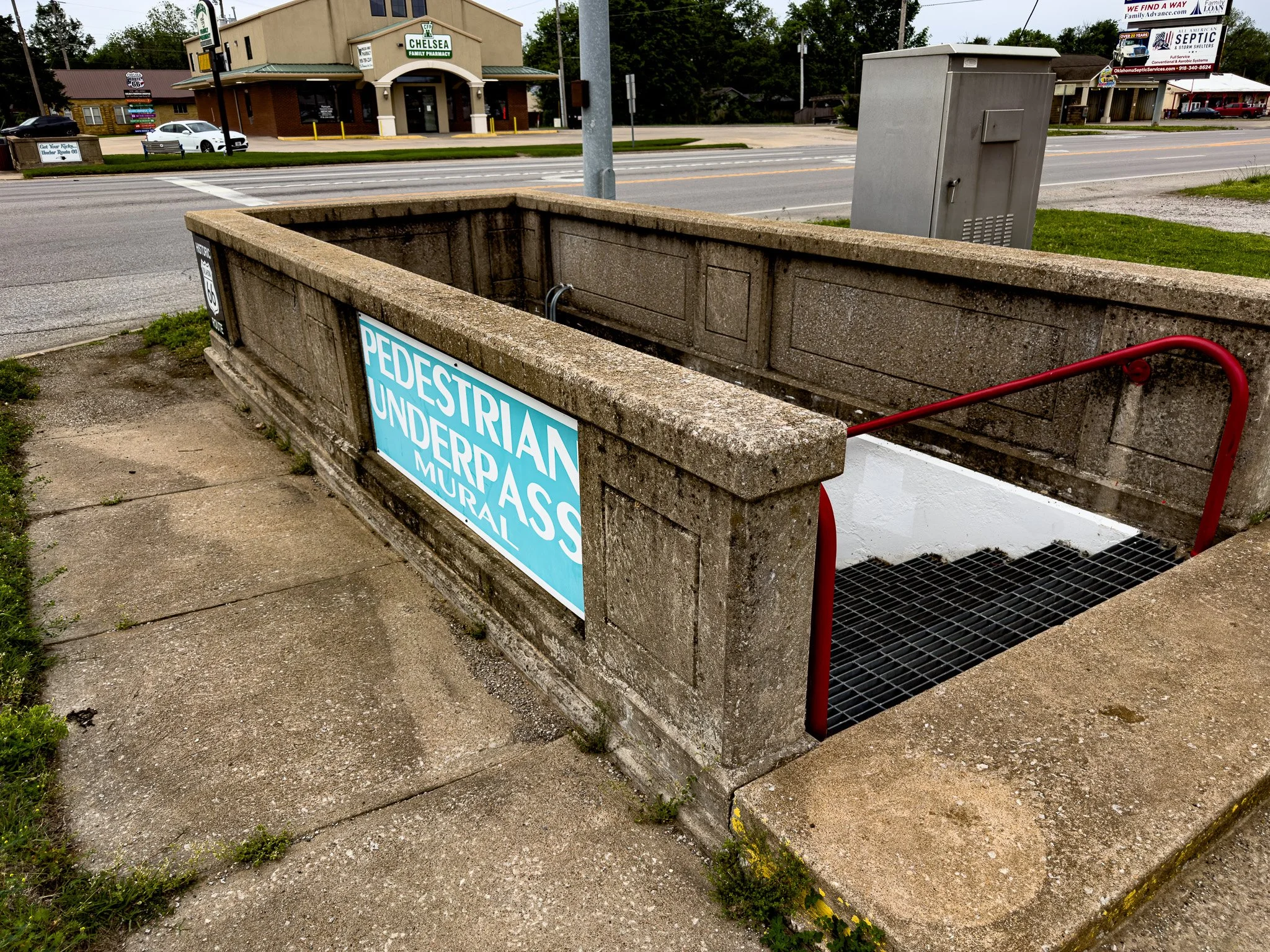
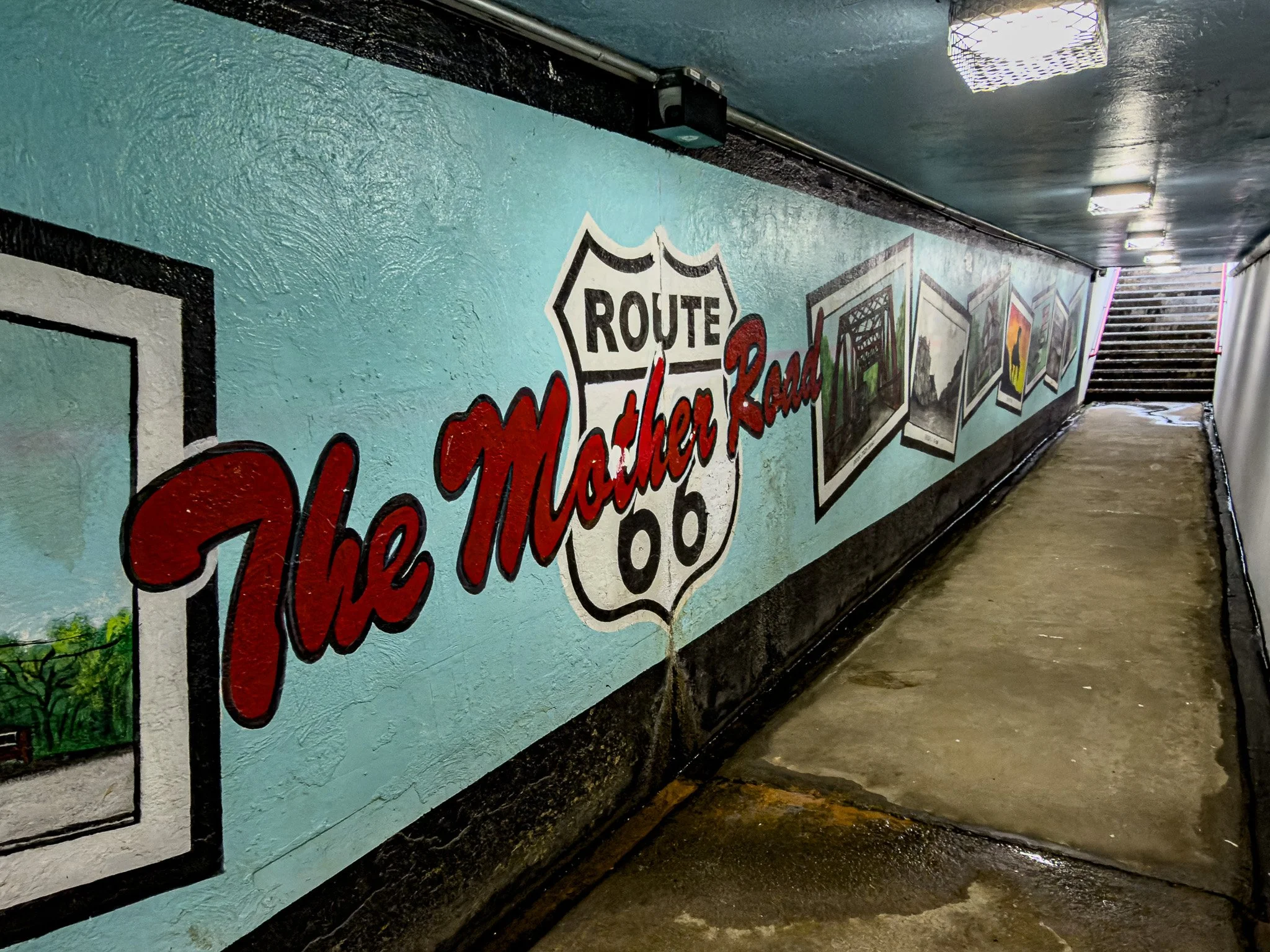
Another Route 66 pedestrian underpass - but this one is operational, and it has a mural.
Click on Image for Map.
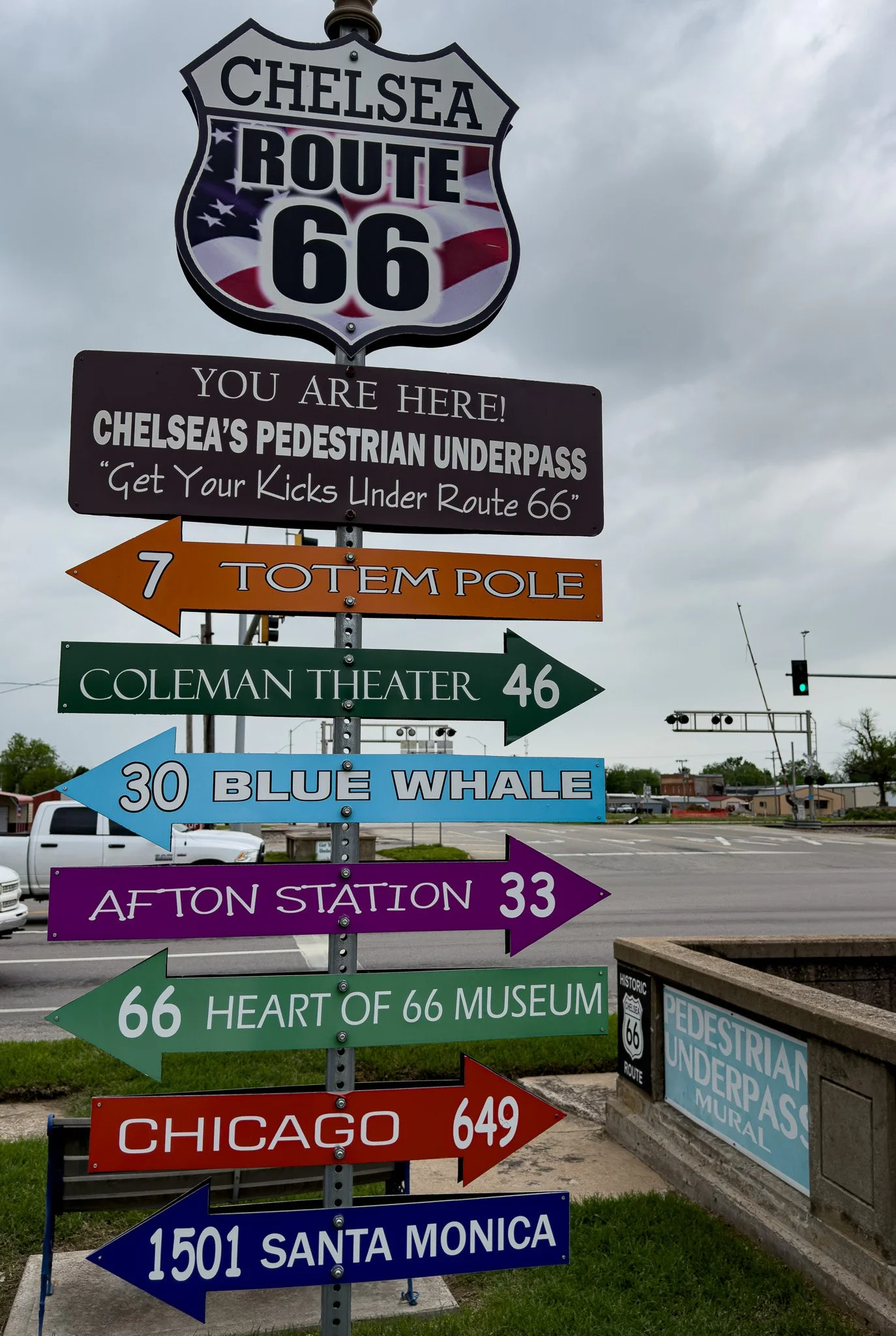
1,501 to go!!
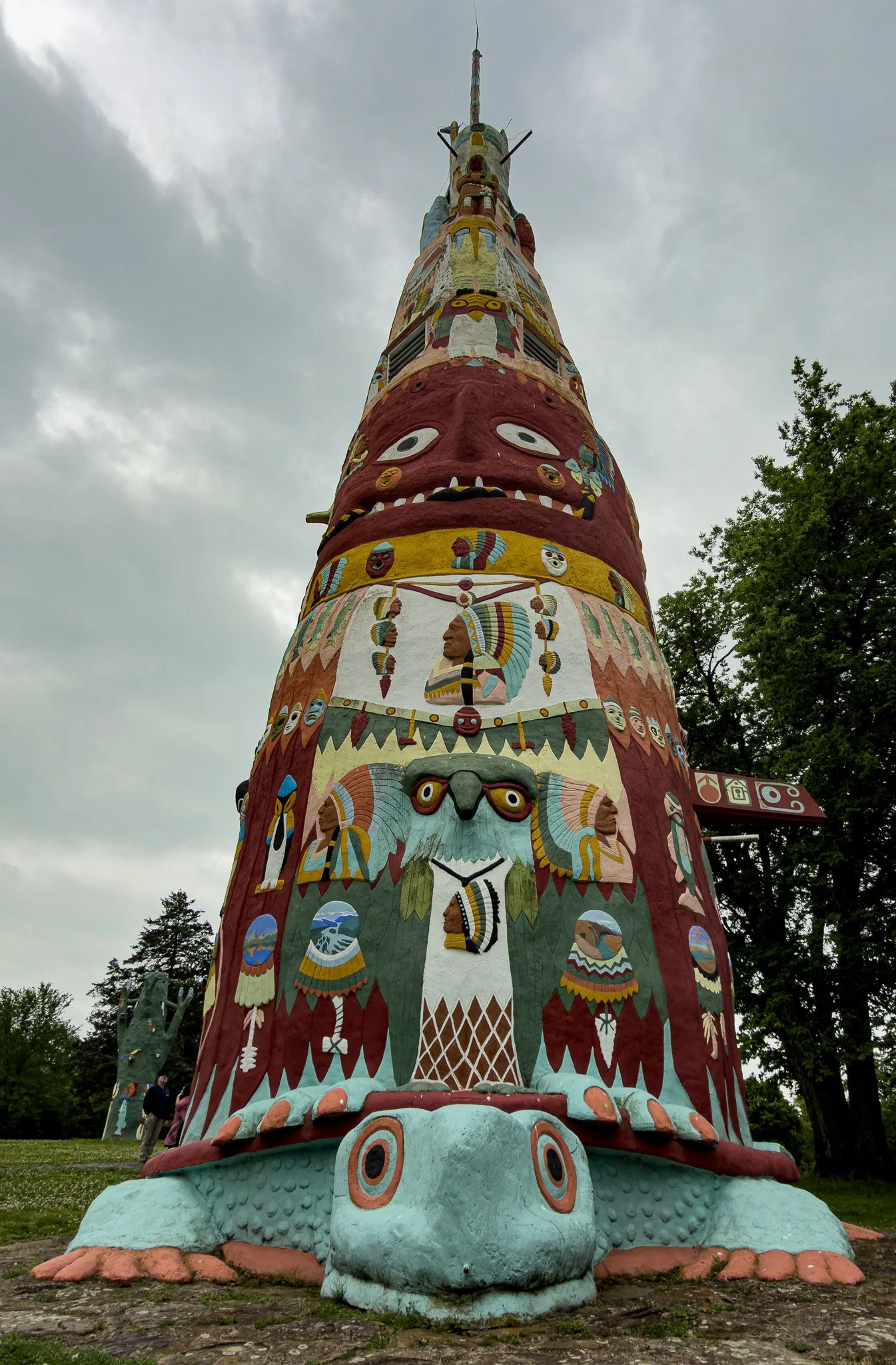
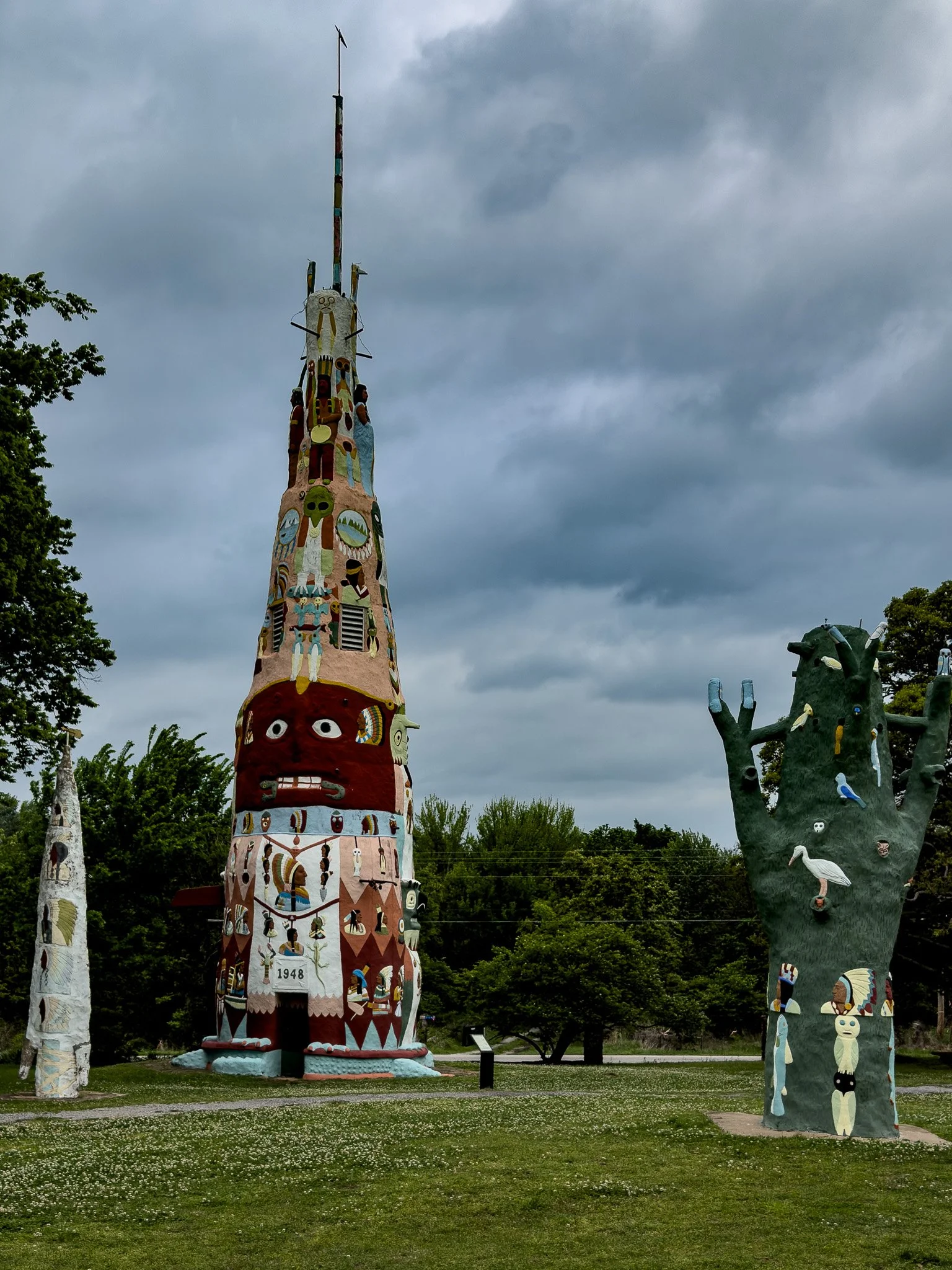
Next stop, Ed Galloway’s Totem Pole Park.
From ChatGPT:
Ed Galloway’s Totem Pole Park is a classic Route 66 folk-art environment created by artist Ed Galloway beginning in 1937. Its centerpiece is a massive 90-foot concrete totem pole built on a sandstone turtle base and covered with more than 200 hand-carved bas-relief figures. The park also includes smaller totems, picnic structures, and the unique “Fiddle House” museum. It’s widely regarded as one of America’s largest and oldest surviving examples of visionary roadside folk art.
Click on Image for Map.
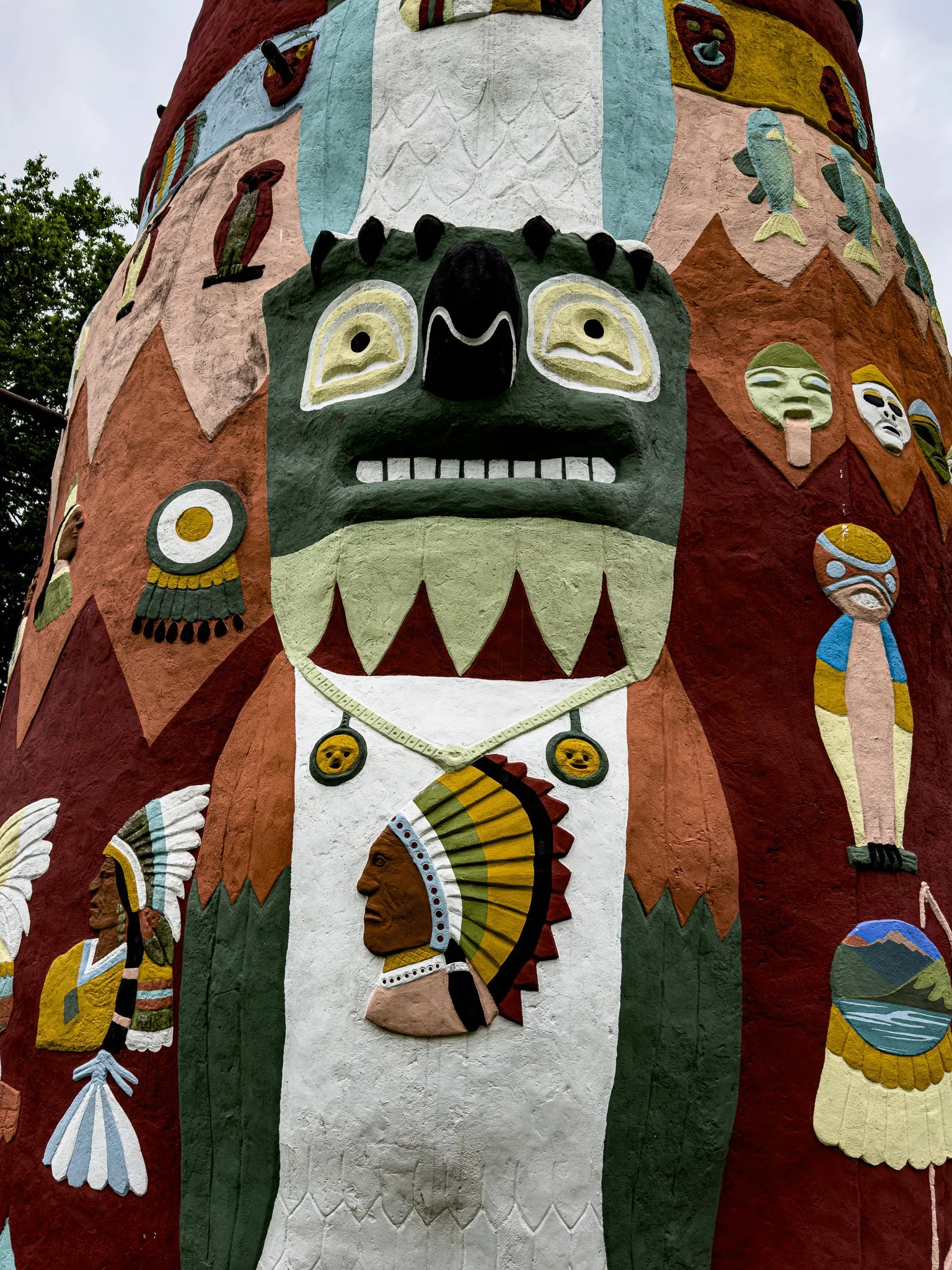
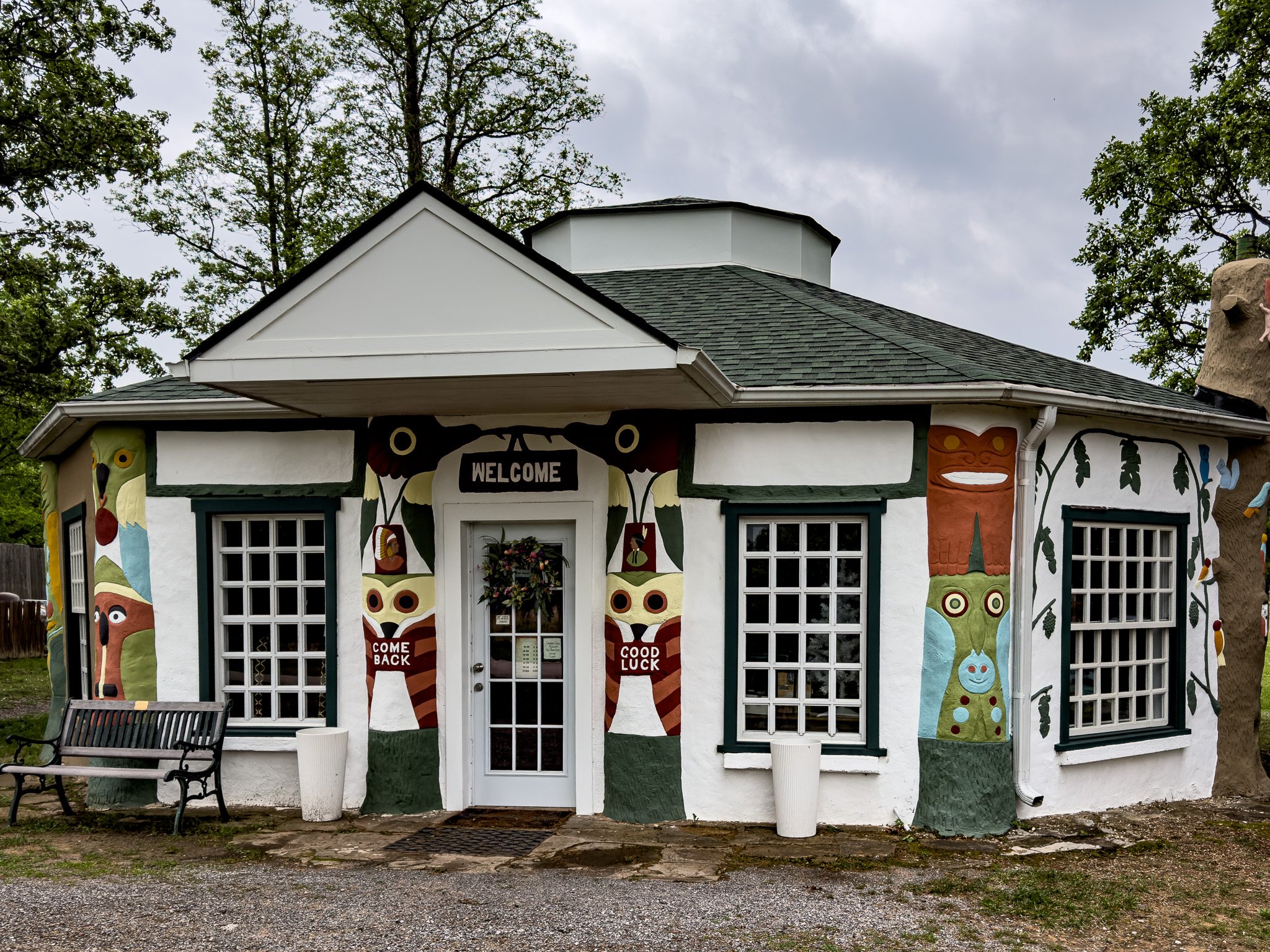
He also made fiddles, but the “fiddle house” was not open by the time we arrived.
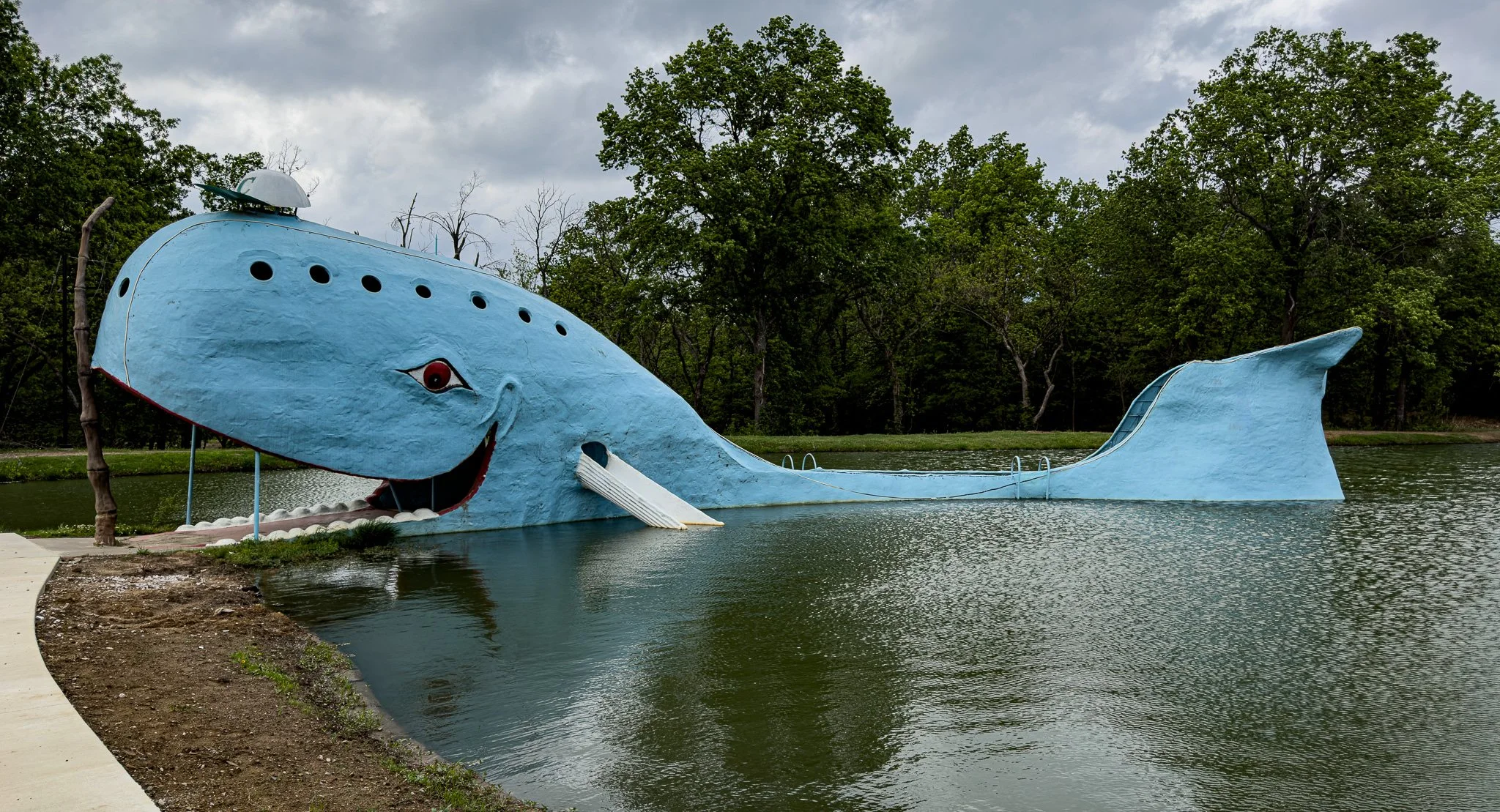
Today’s final stop is, for many Route 66 travelers, among the top few most recognized and anticipated stops on the route - The Blue Whale of Catoosa!
From ChatGPT:
The Blue Whale of Catoosa is one of Route 66’s most beloved roadside icons. Built in 1972 by zoologist Hugh Davis as an anniversary gift for his wife, it began as a private swimming hole for family and friends. Over time, it grew into a public attraction with picnicking, fishing, and swimming. Though no longer open for swimming, the cheerful whale remains a symbol of Route 66 nostalgia and community spirit.
Click on Image for Map.
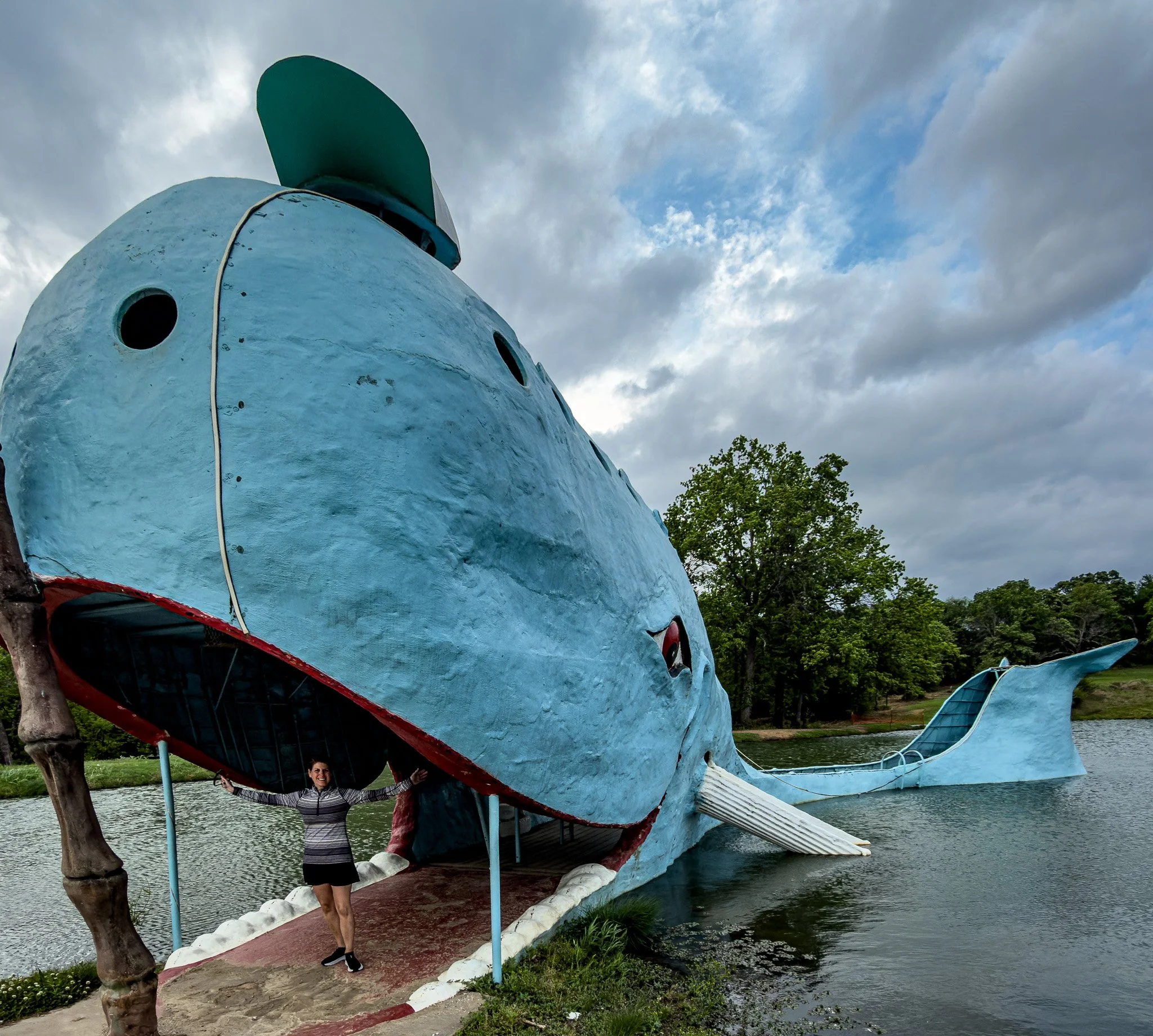
The blue whale site is undergoing a major renovation and improvement on the grounds.
From ChatGPT:
Recent updates to the Blue Whale of Catoosa grounds include a major renovation project aimed at modernizing the site while preserving its character. A new visitor center, upgraded restrooms, expanded parking, playground areas, fire pits, and neon signage are being added., with work continuing through 2026.
