Maui, Hawaii - Whale Watching
Thursday, February 26, 2026
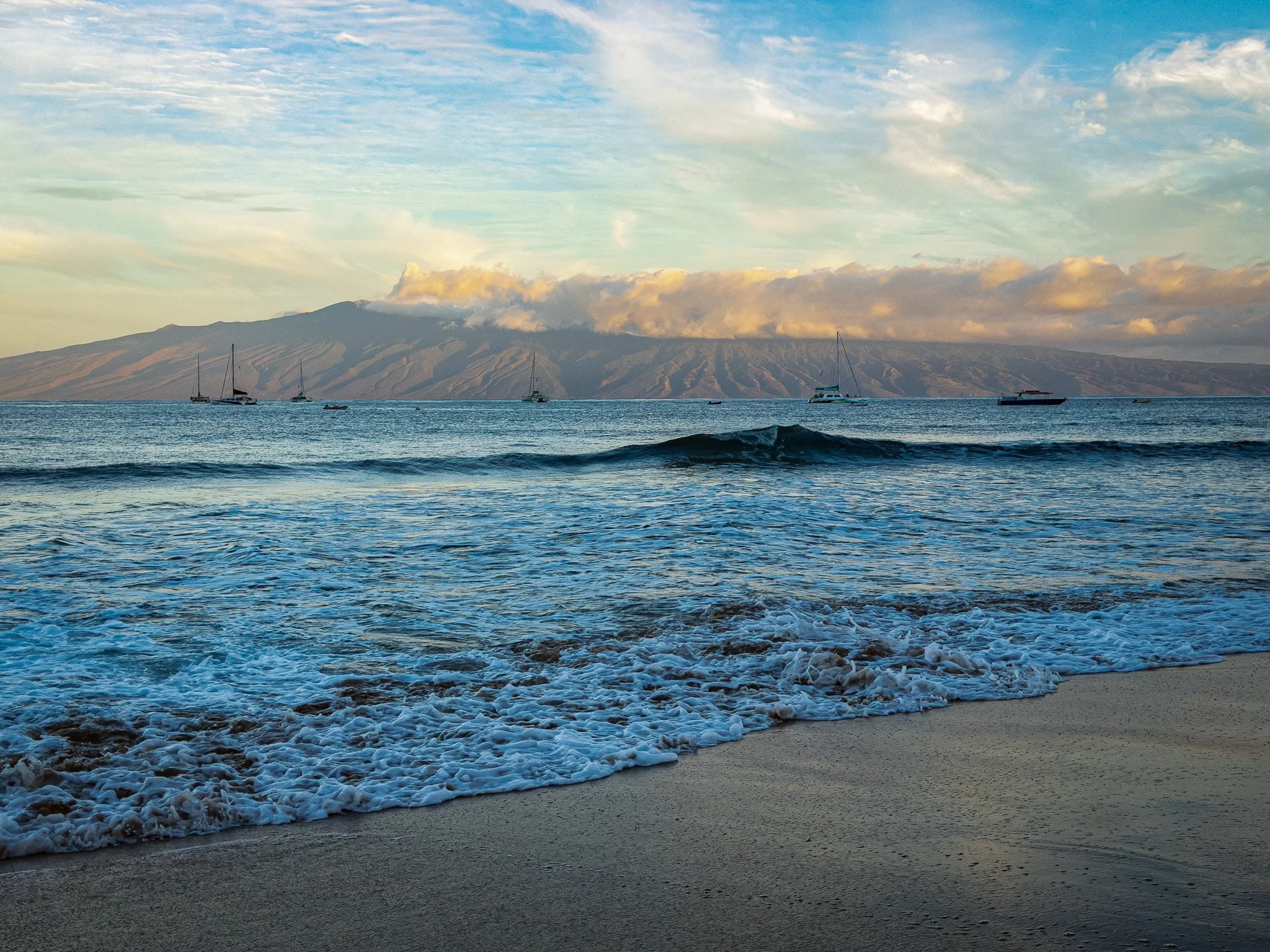
Sunrise on Ka‘anapali Beach.
Click on Image for Map.
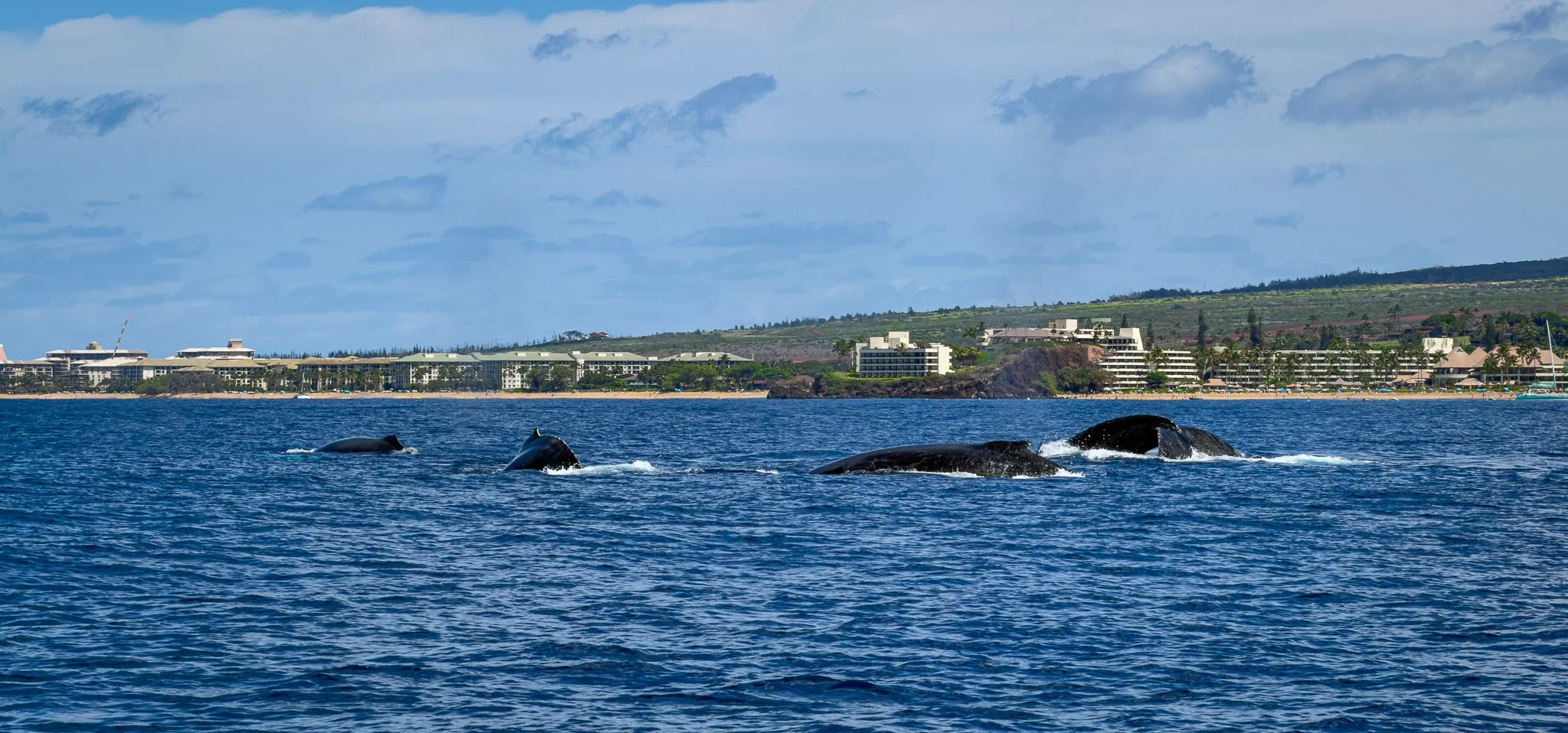
Today we took a whale watching tour just off the coast of Ka‘anapali Beach. Here are four of the humpback whales.
From ChatGPT:
The humpback whale is a large baleen whale known for its acrobatic breaches, long pectoral fins, and complex songs. Found in oceans worldwide, it migrates thousands of miles between feeding grounds in cold waters and breeding areas in warm seas. Humpbacks feed on krill and small fish using bubble-net techniques. Once heavily hunted, they have made a strong recovery due to conservation efforts, though they remain protected species.
Click on Image for Map.
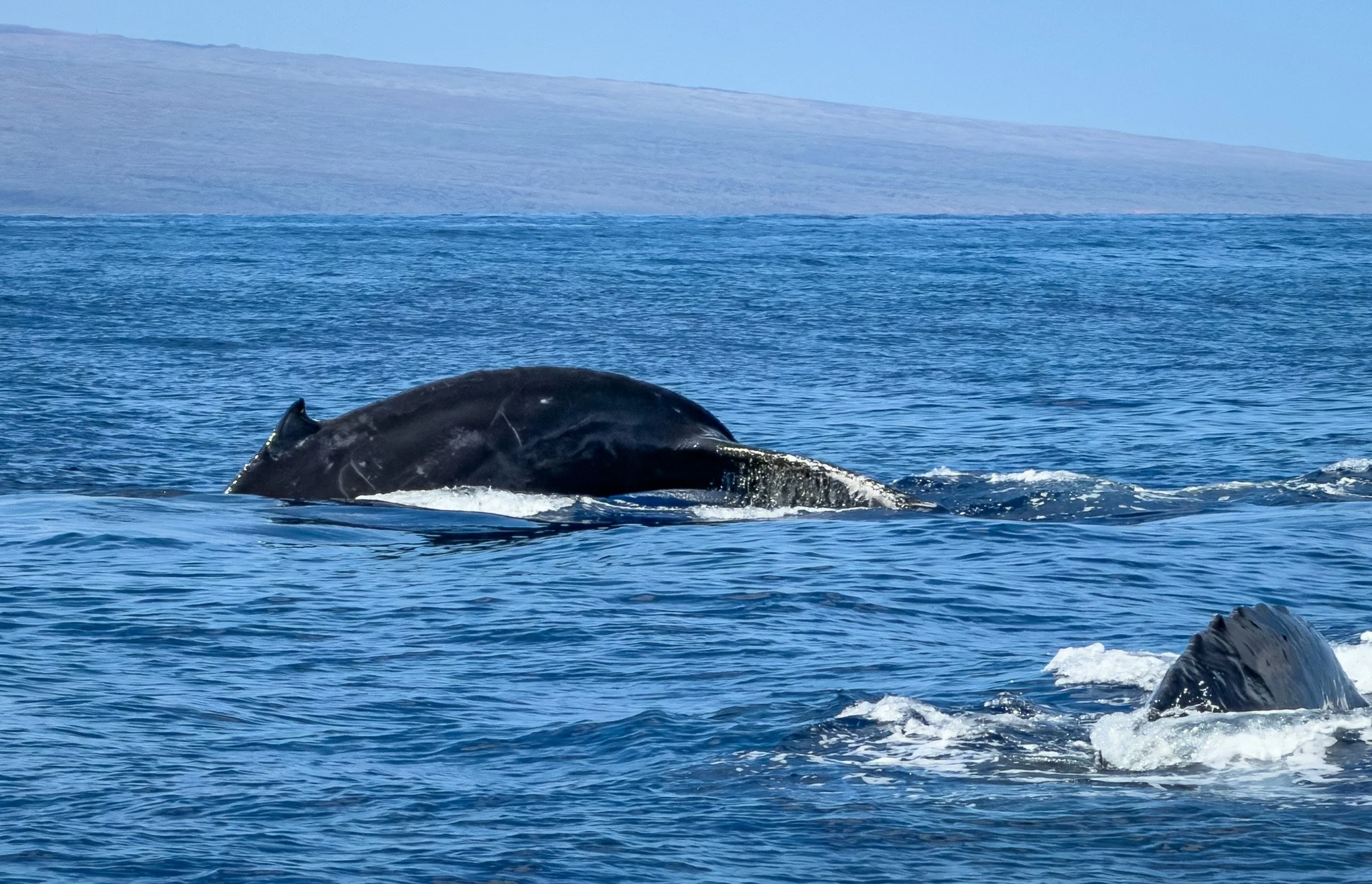
From ChatGPT:
Humpback whales migrate to Maui each winter to take advantage of its warm, shallow, and protected waters. These conditions are ideal for breeding, calving, and nursing newborn calves, which lack the blubber needed for colder seas. The island’s calm seas also reduce threats from predators like orcas. Adult whales do not feed during this time, relying on fat reserves built up in northern feeding grounds before migrating back.
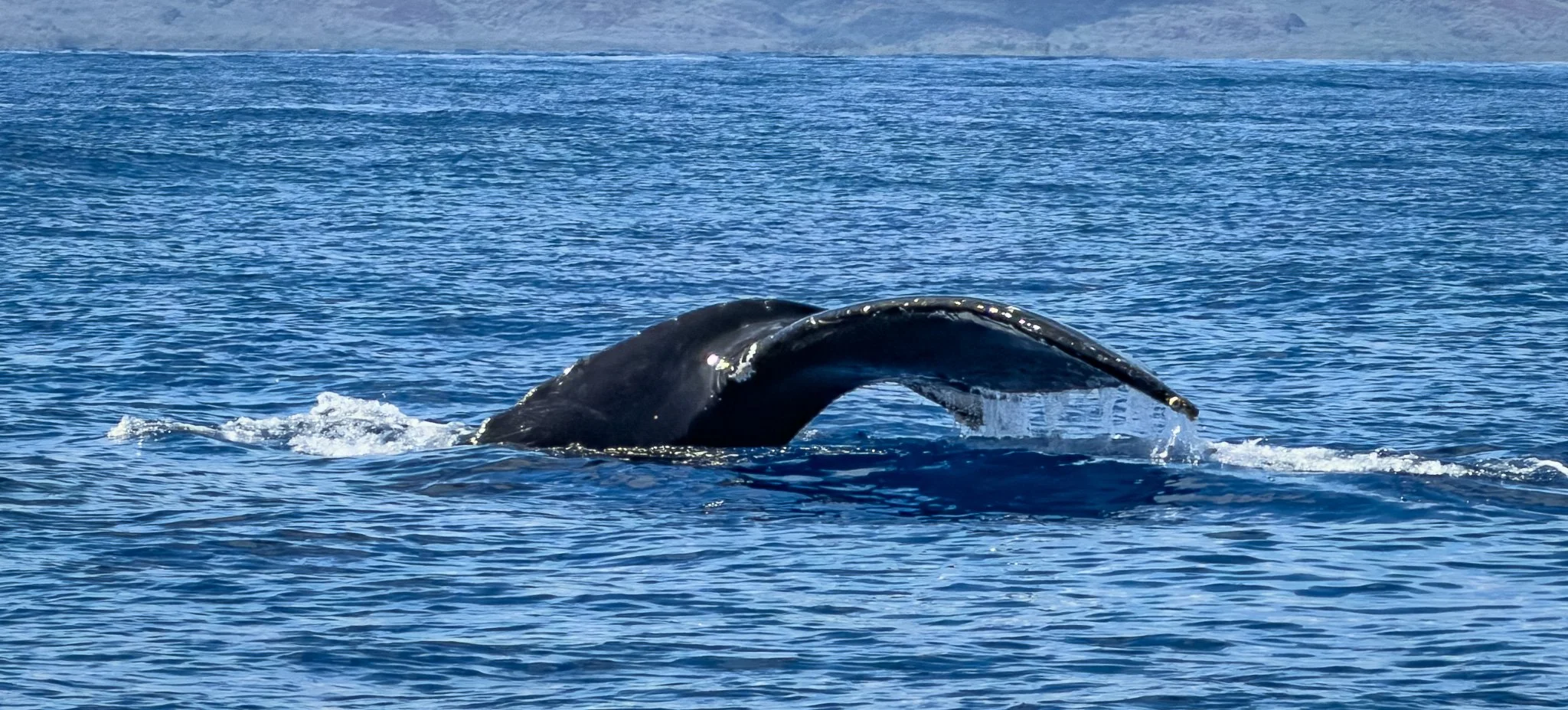
From ChatGPT:
Humpback whales are massive marine mammals, reaching about 40–50 feet in length and weighing up to 40 tons. Their long pectoral fins and bulky bodies make them among the ocean’s most recognizable whales.
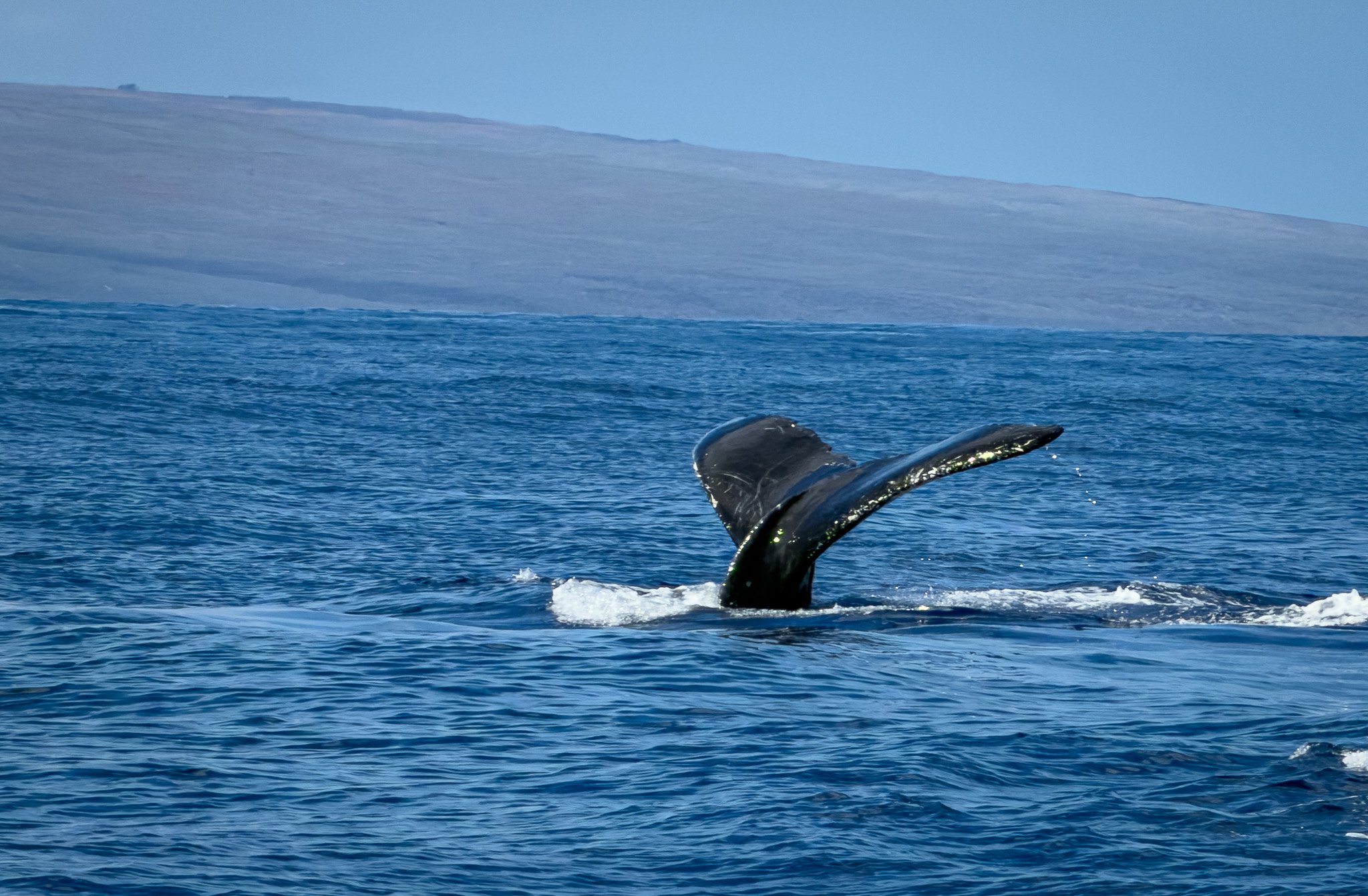
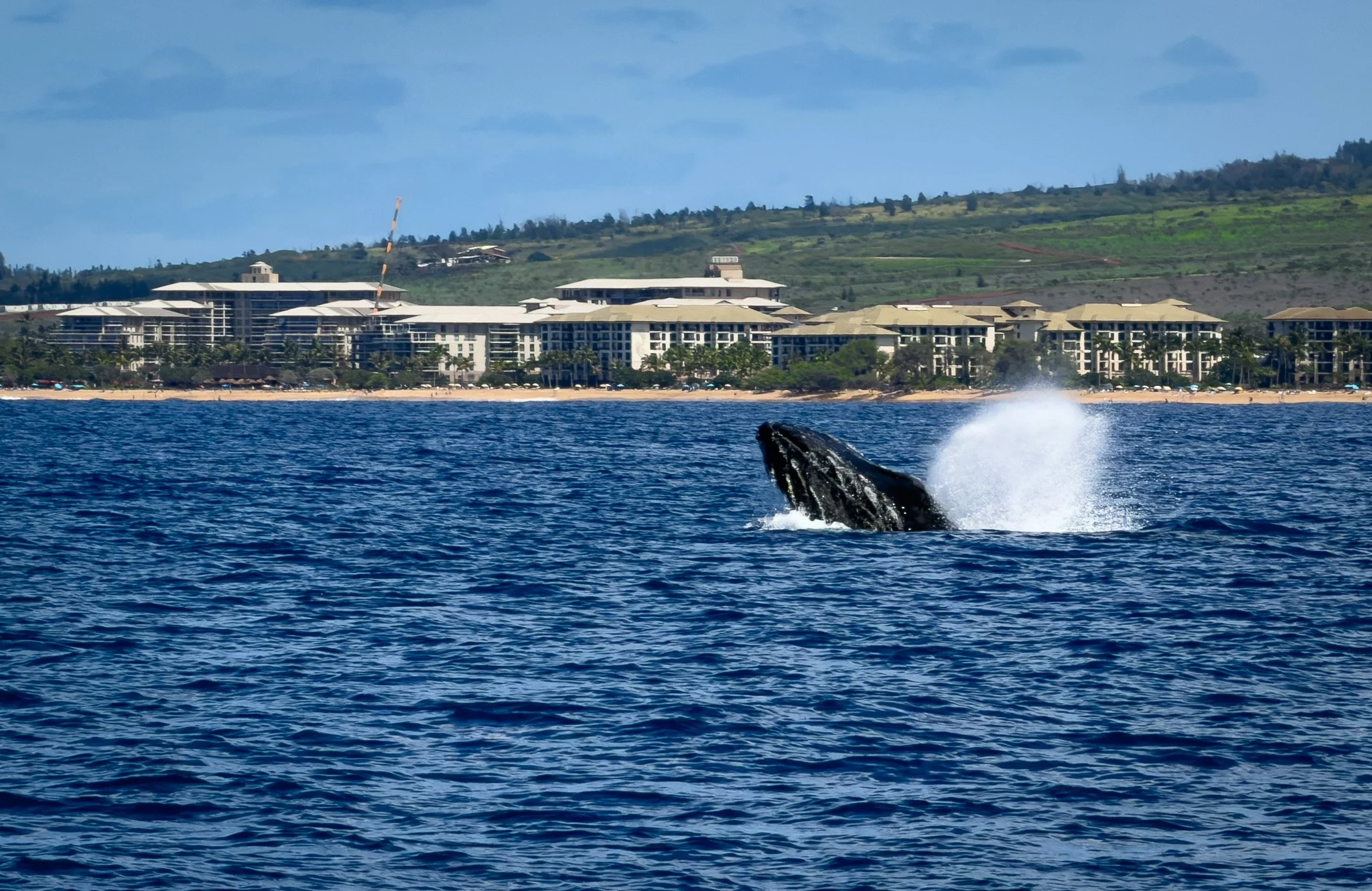
This image, along with the next five, are of the same whale as it breeched and then dove back under.
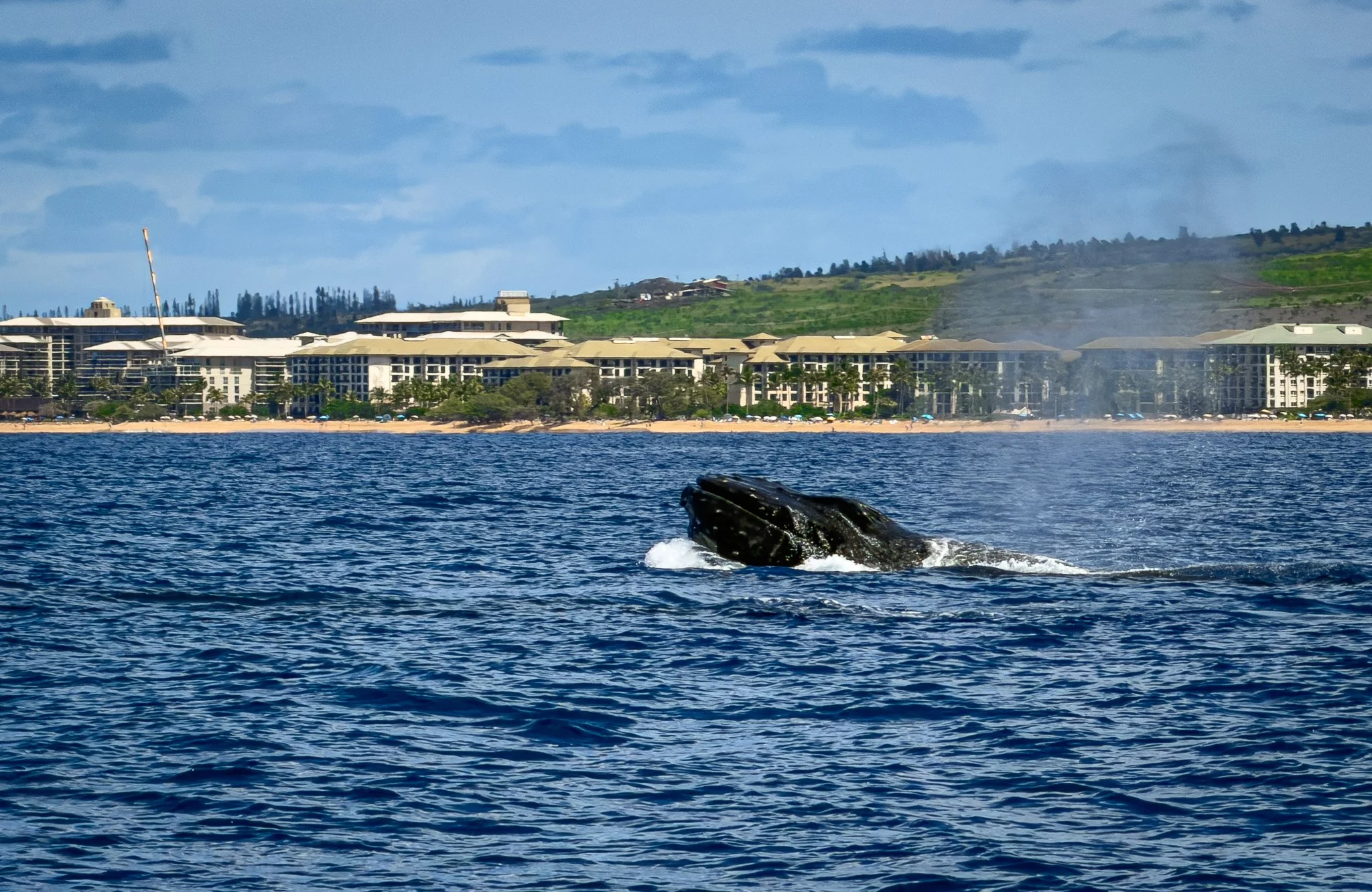
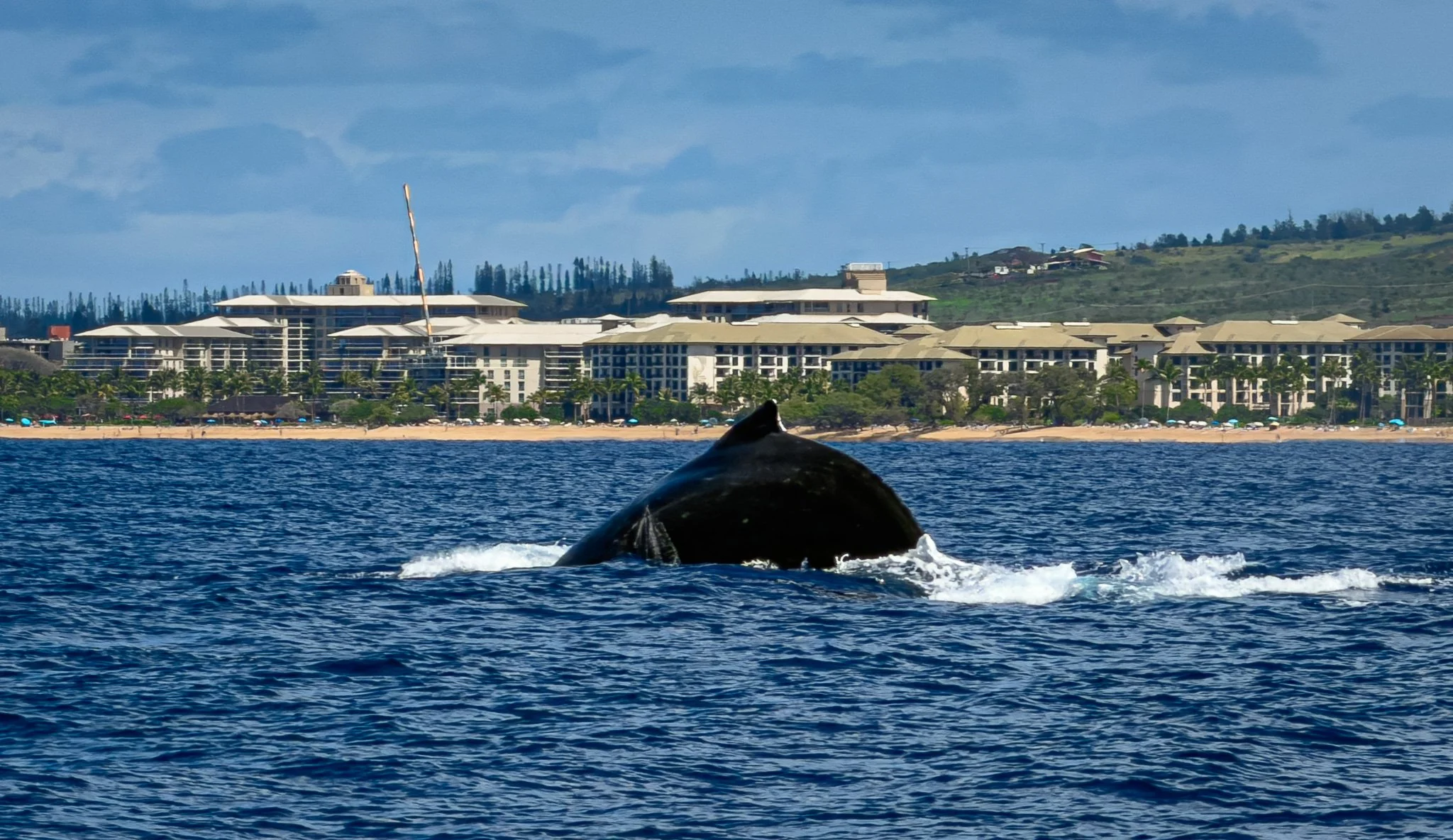
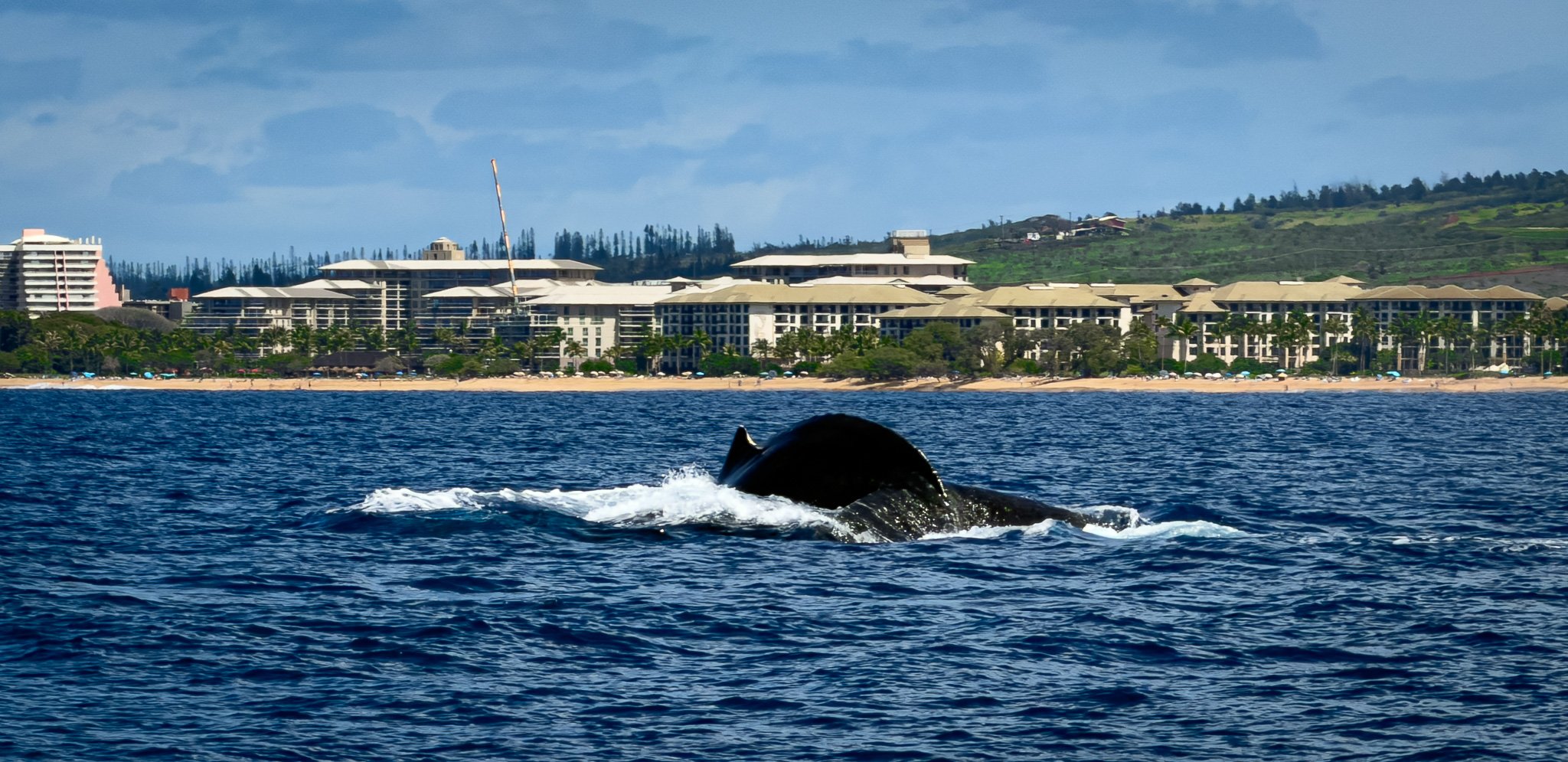
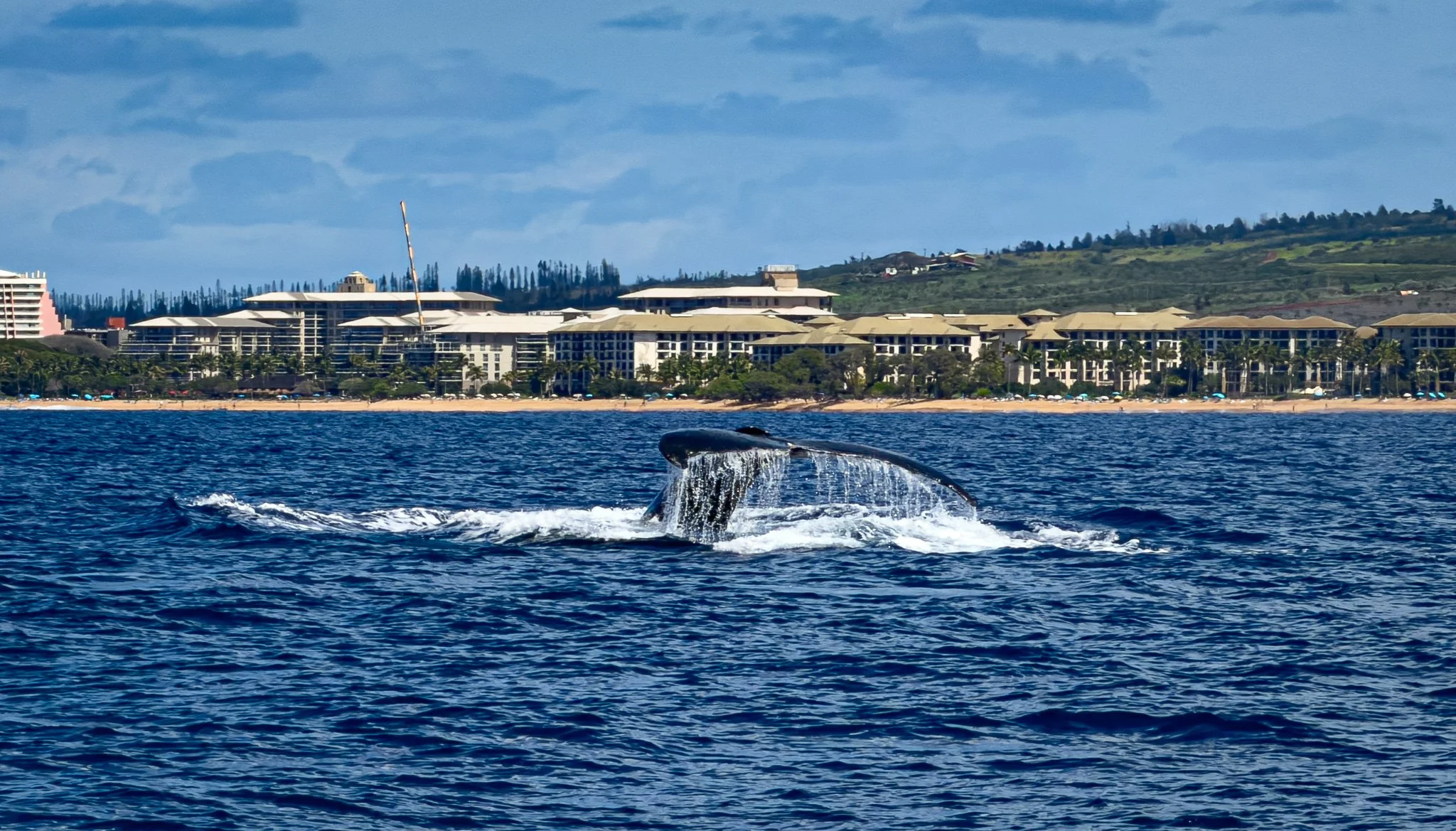
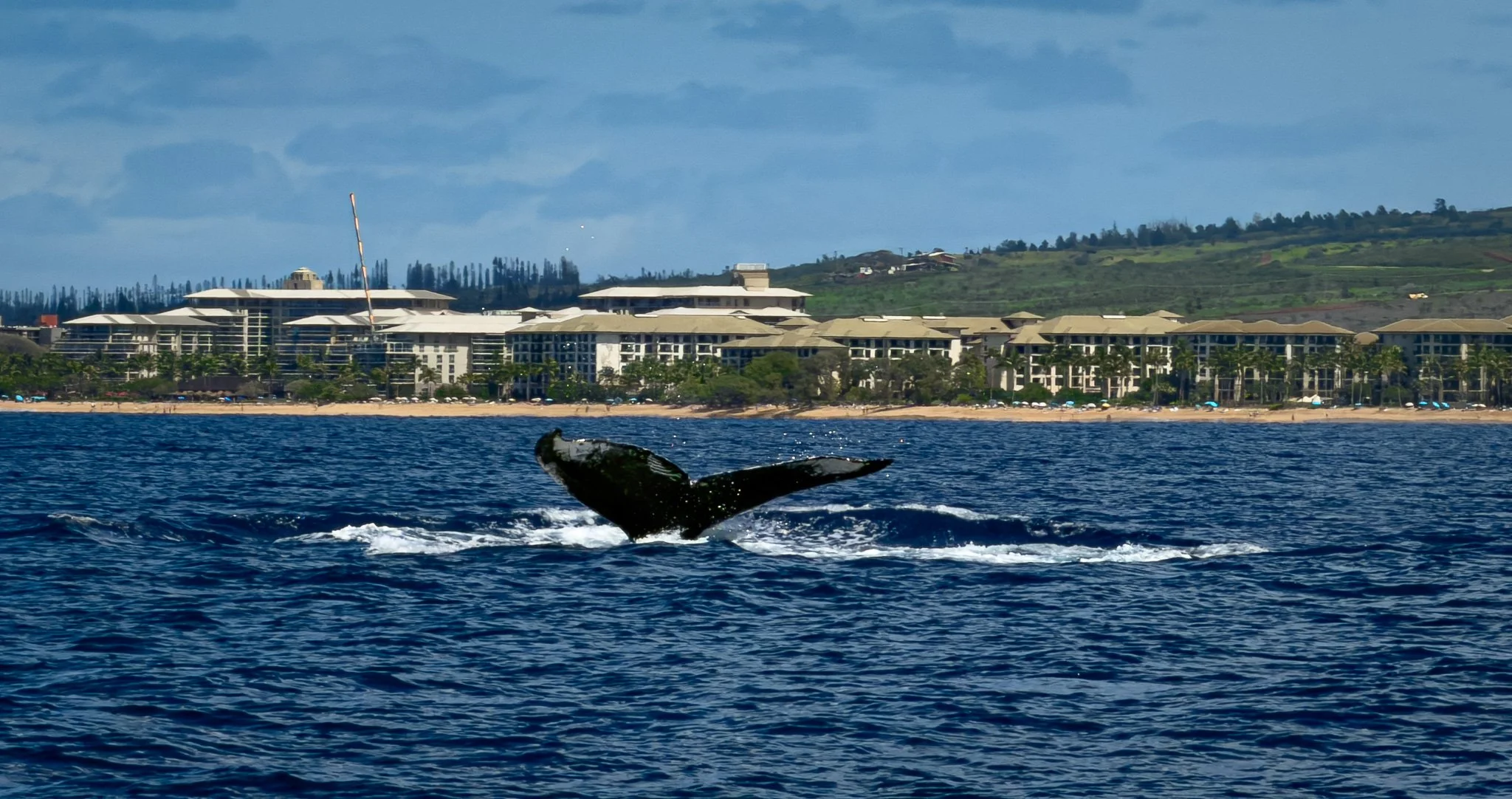
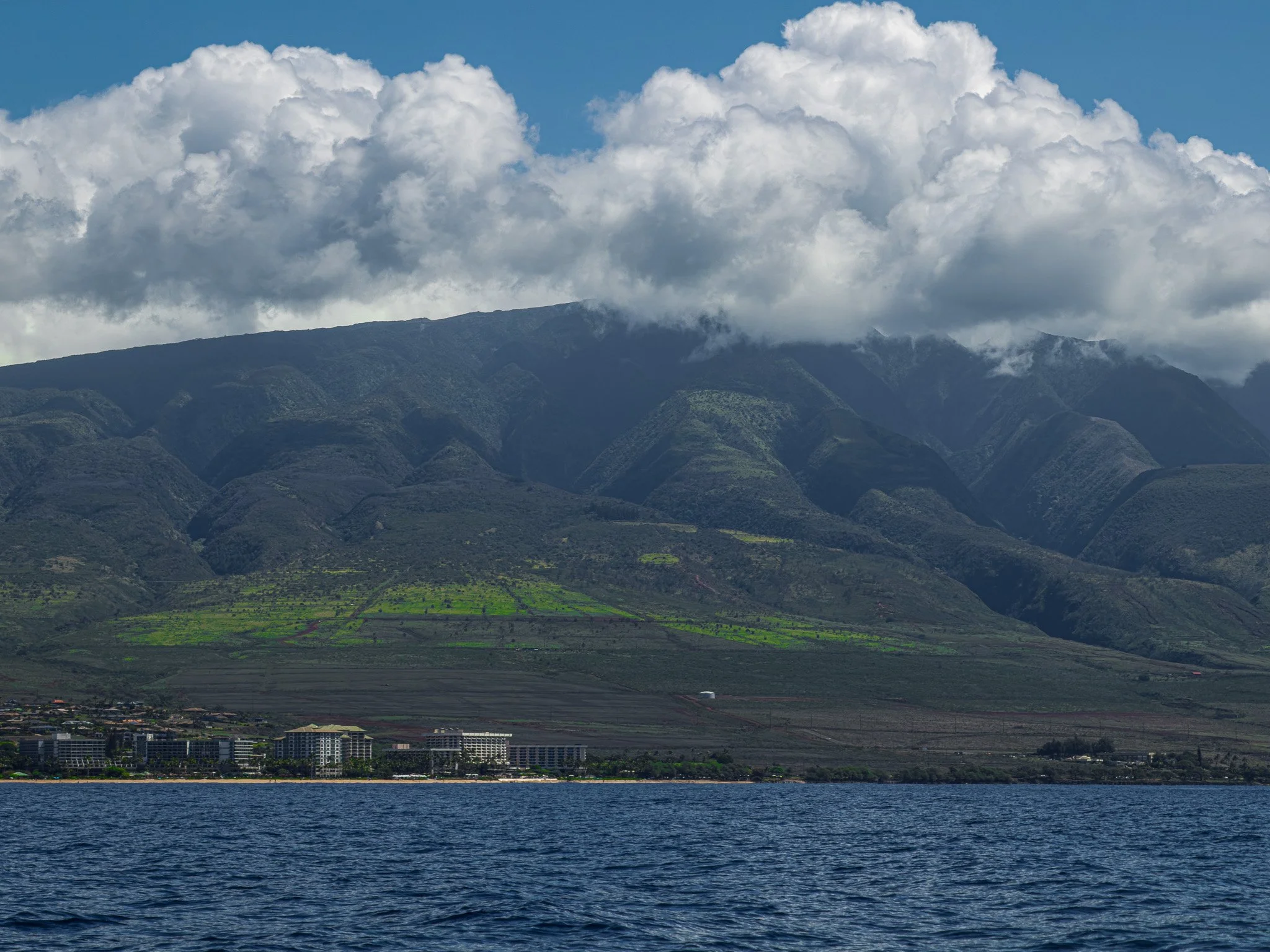
Looking back toward Ka‘anapali Beach from the channel.
From ChatGPT:
Off Ka‘anapali Beach on Maui, the water is generally shallow near shore—often just a few feet deep for the first 50–100 yards, depending on tides and conditions. Depth gradually increases beyond the reef, typically reaching 10–30 feet, and much deeper farther offshore. The outer reef helps keep nearshore waters relatively calm and swimmable.
Click on Image for Map.
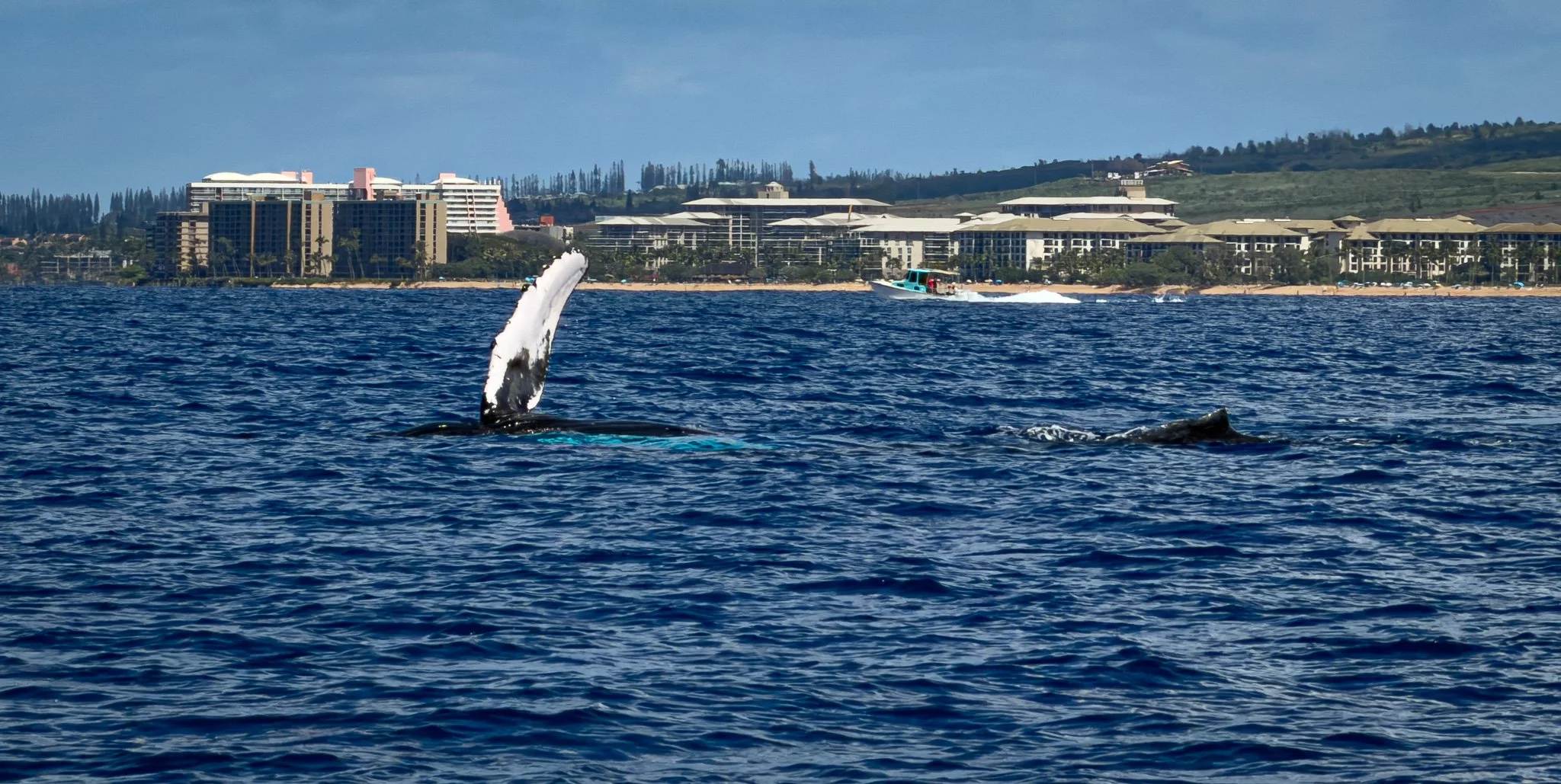
A mother (left) teaching her little one (right) the ropes.
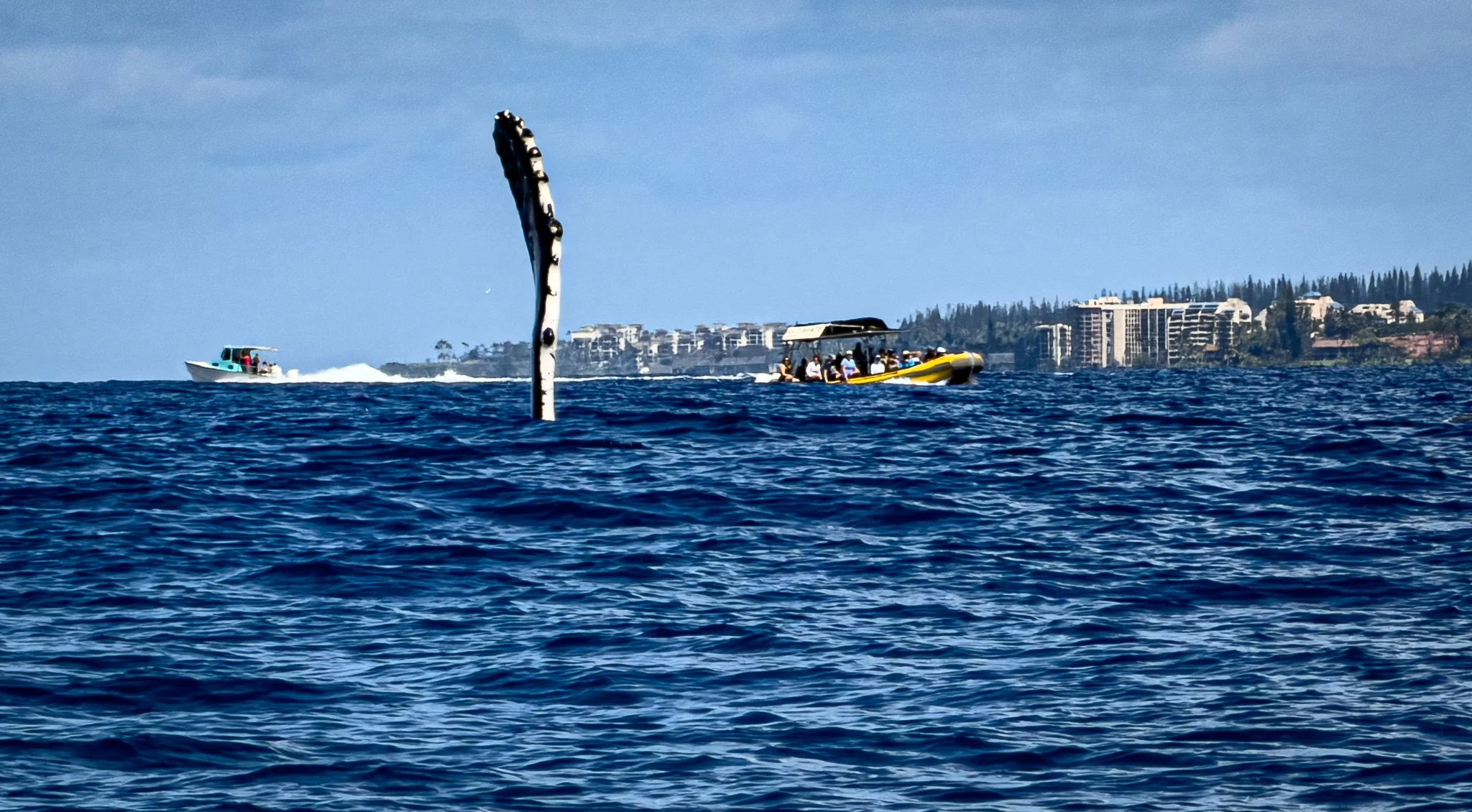
A huge pectoral fin. Up close and personal!
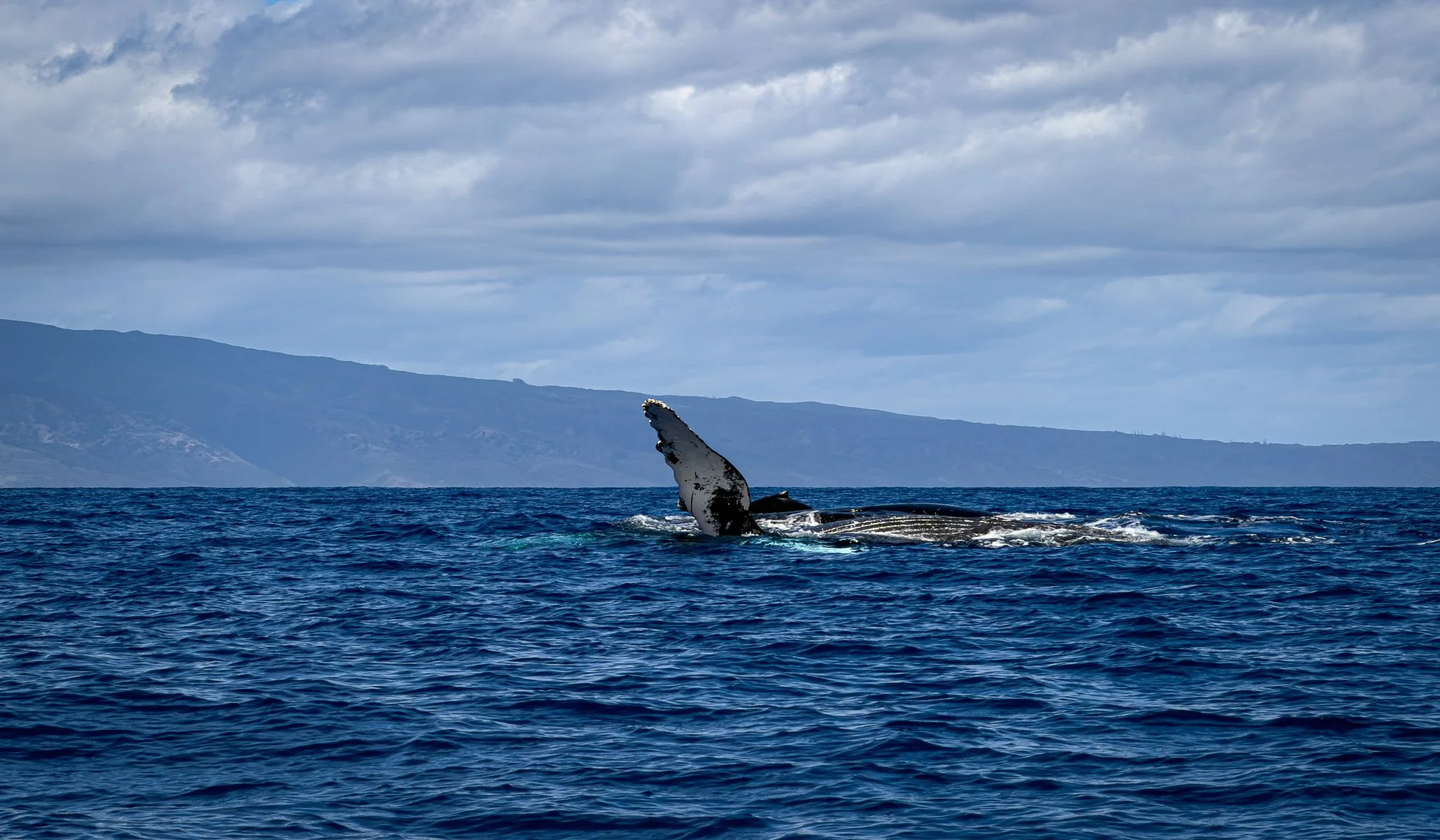
From ChatGPT:
Whales are most often seen off Ka‘anapali Beach in the deeper water just beyond the offshore reef. That area is typically around 100 to 300 feet deep (30–90 meters), and can deepen quickly as you move farther offshore.
Humpback whales prefer these deeper, open waters for calving, resting, and social behavior, while still staying relatively close to shore during Maui’s winter season.
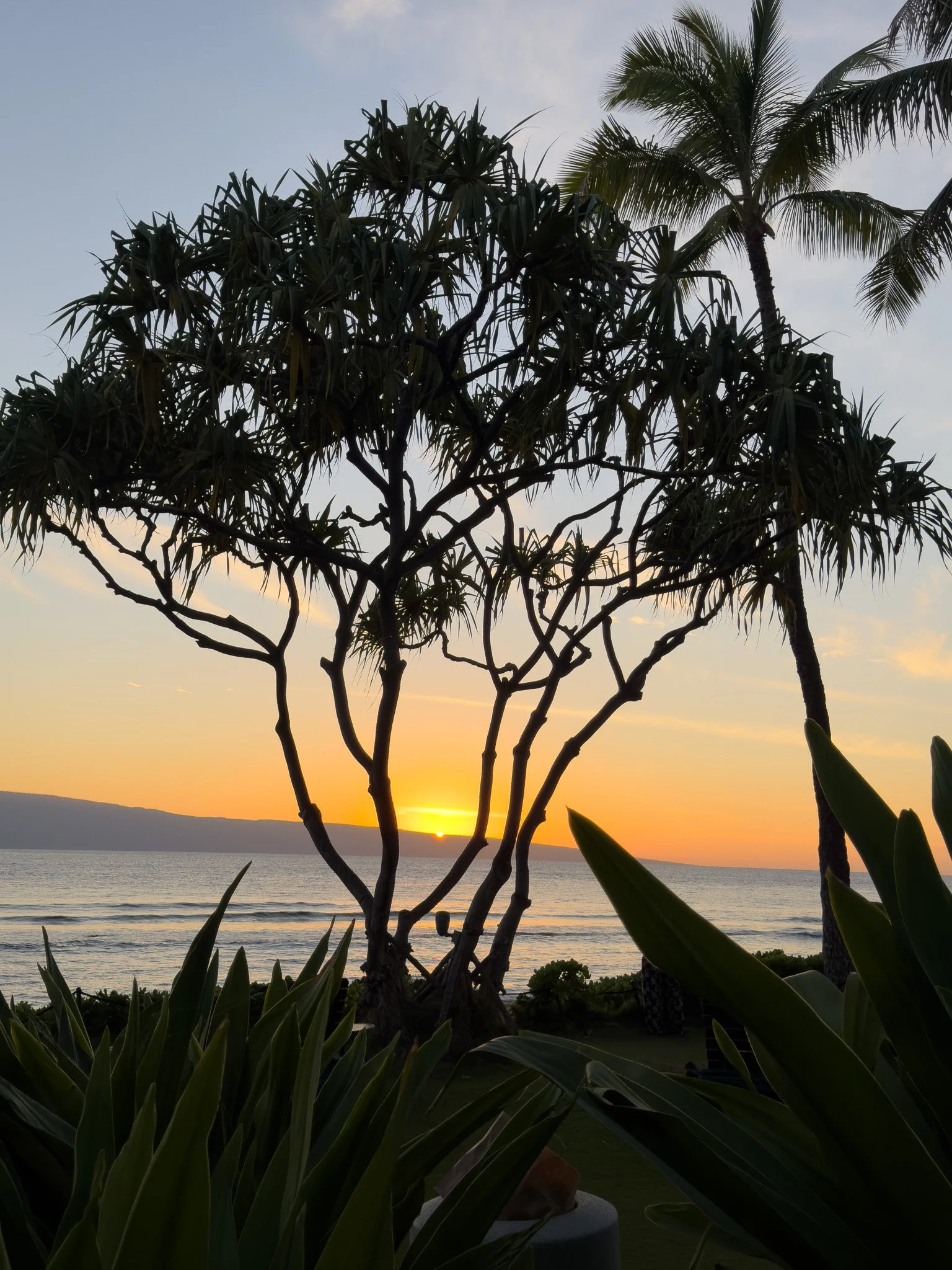
Our final sunset before making the long trek back home to snow in Minnesota.
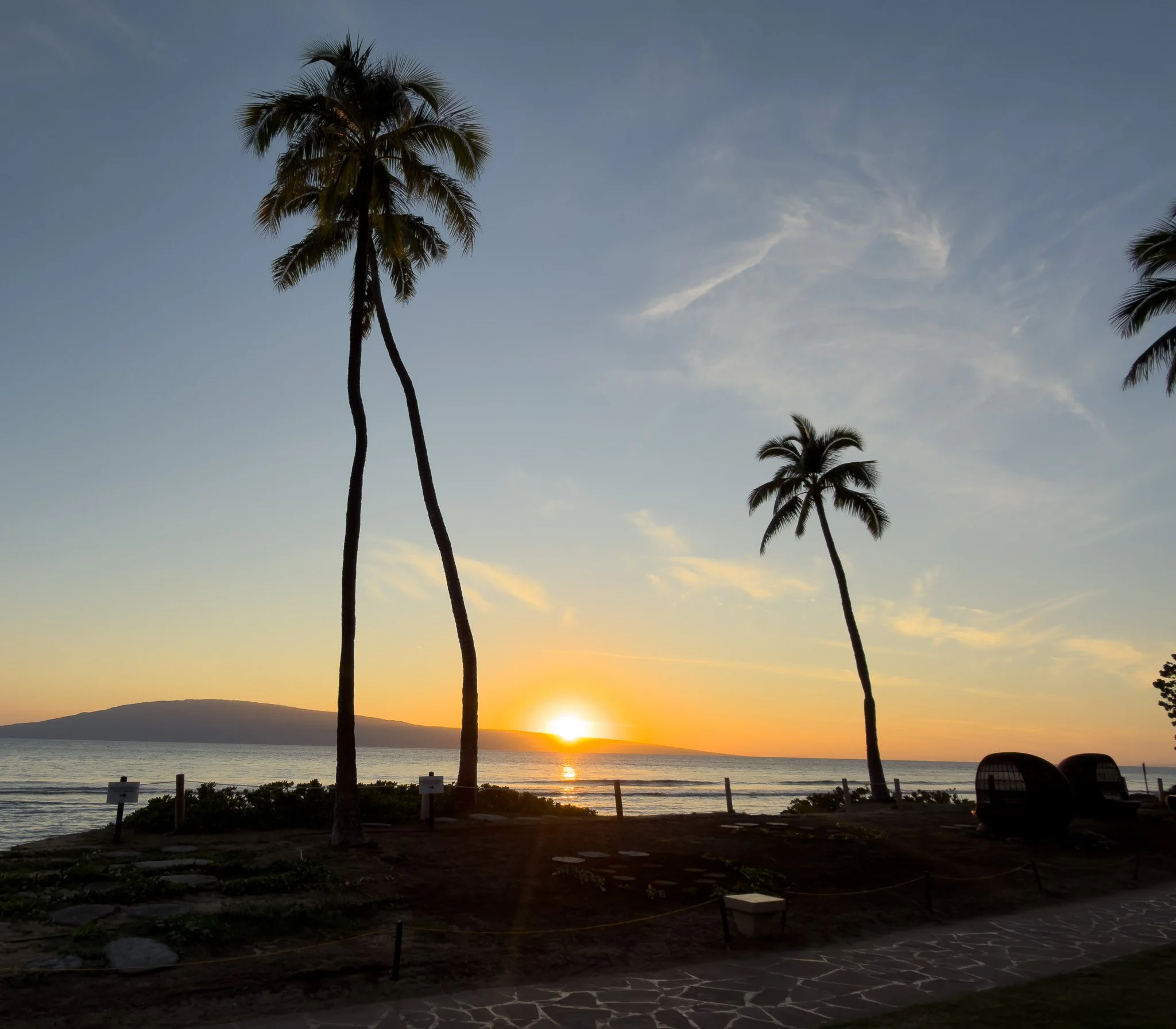
Difficult to say goodbye to this little piece of paradise.
