Blue Ridge Parkway Day #3
Tuesday, October 21, 2025
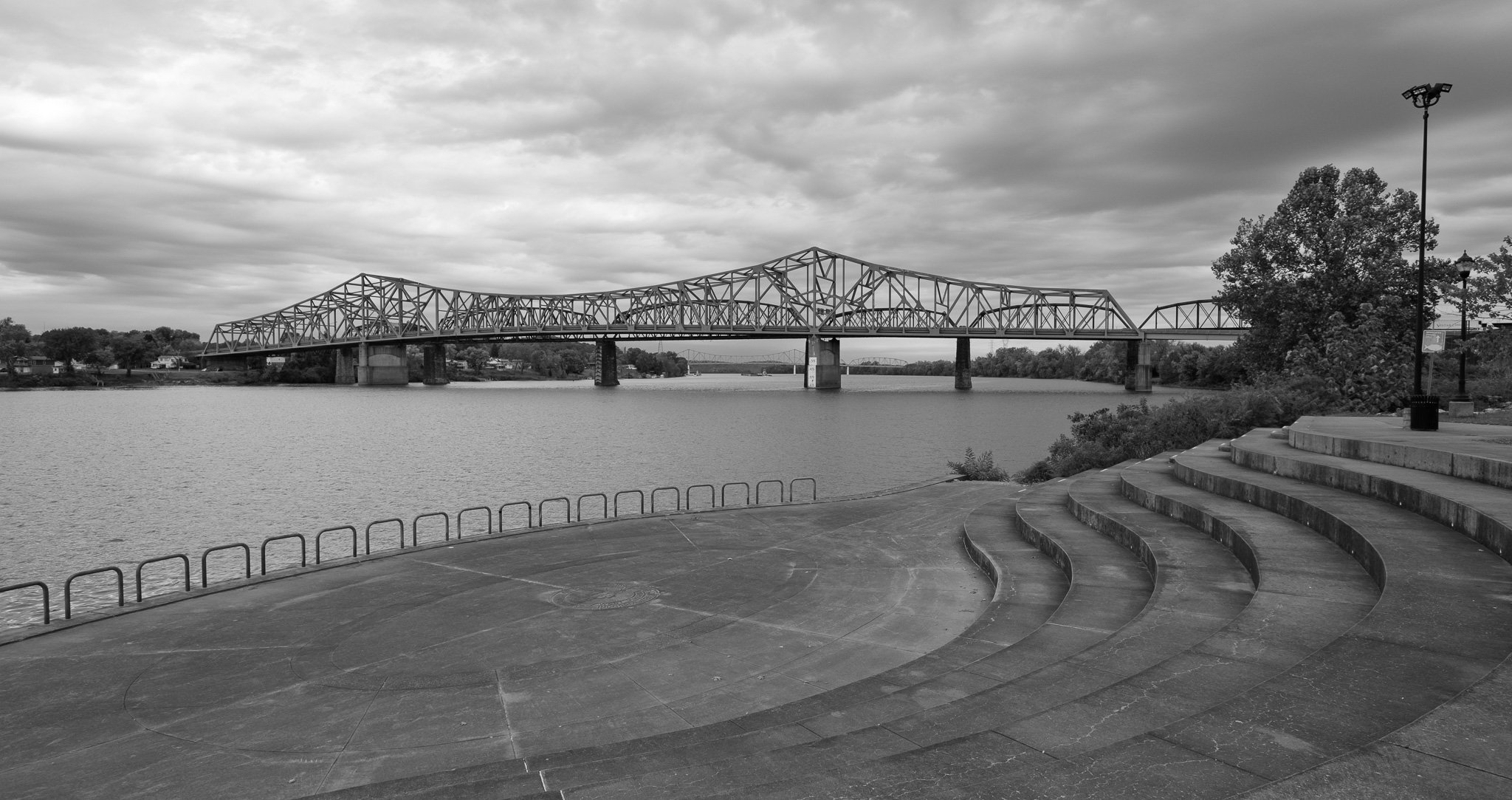
Day #3 of our trip found us entering into the state of West Virginia. Neither of us have ever spend any significant time in West Virginia, but we were quite pleased with the scenery and road conditions we found on their secondary roads. It was nice having the Type-R because the road surfaces were well maintained and the secondary roads were curvy and little traveled.
This is the Ohio River from Parkersburg, West Virginia. For those of you who have followed our prior travels, you will recall we had photos from our Mississippi River trip where the Ohio met the Mississippi in Cairo, IL - about 520 miles from this spot.
Click on Image for Map.
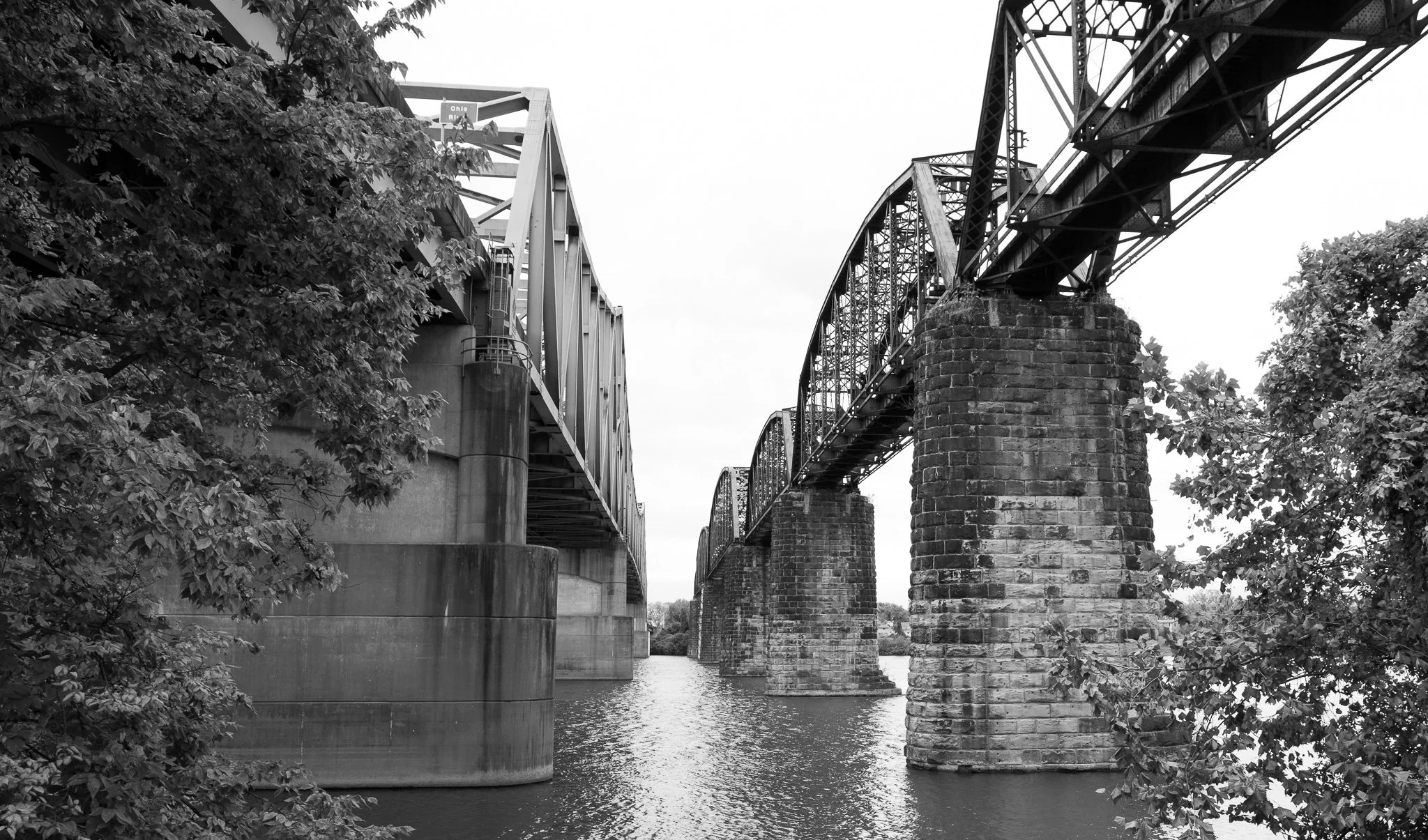
On the left is the Parkersburg-Belpre bridge for automobiles connecting Parkersburg, West Virginia with Belpre, Ohio. On the right is the Sixth Street Railroad Bridge.
From ChatGPT:
The Sixth Street Railroad Bridge in Parkersburg, West Virginia (also called the Parkersburg Bridge) is a historic railroad truss bridge across the Ohio River to Belpre, Ohio. Built 1869–1871 for the Baltimore & Ohio Railroad, it stretches about 7,140 ft and was once the longest bridge of its type in the world. It’s still in rail use and listed on the National Register of Historic Places.
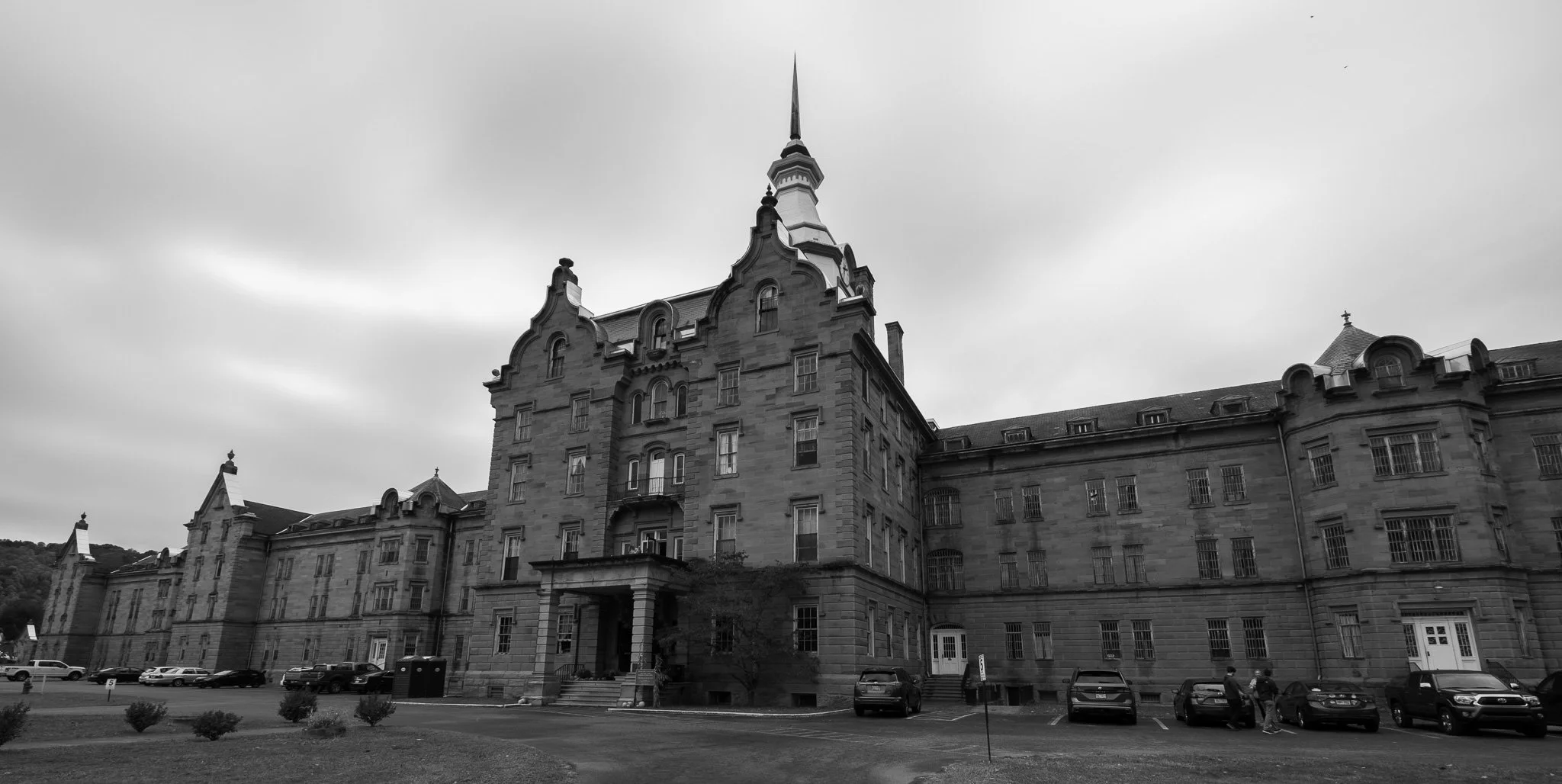
Today’s big adventure was a visit to the Trans-Allegheny Lunatic Asylum (TALA) in Weston, WV.
From ChatGPT:
The Trans-Allegheny Lunatic Asylum in Weston, West Virginia, was a massive psychiatric hospital built 1858–1881 under the Kirkbride Plan and opened in 1864 as the West Virginia Hospital for the Insane. Overcrowding swelled its intended 250-patient capacity to around 2,400 by the 1950s, with often harsh conditions. It closed in 1994 and was auctioned in 2007; today it’s a National Historic Landmark offering historical and paranormal tours, preserving its complex legacy in mental health care history.
Click on Image for Map.
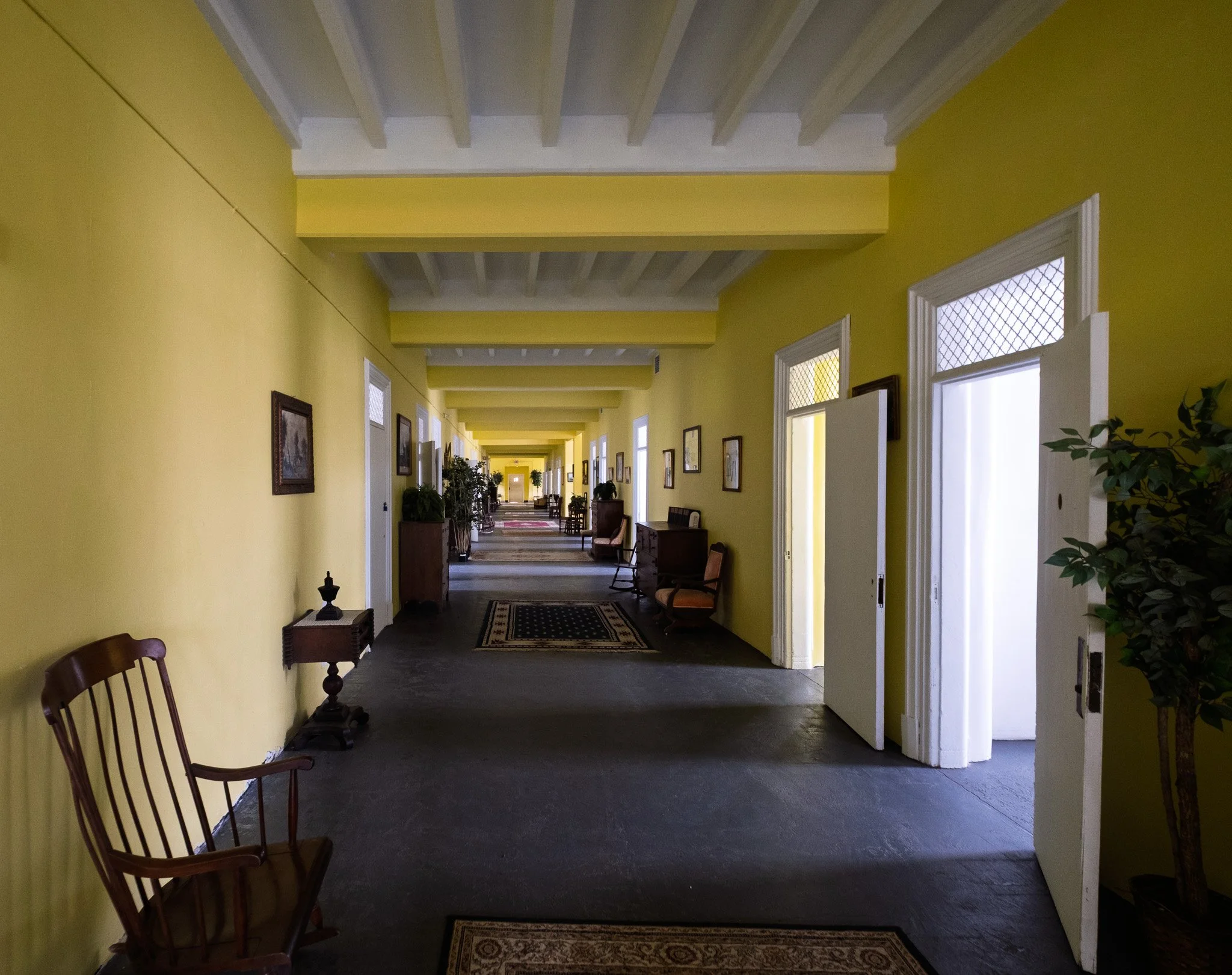
The main central portion of the asylum and at least one wing have been restored to what they would have looked like when the building was fully operational in it’s day. This is the restored portion.
From ChatGPT:
The Trans-Allegheny Lunatic Asylum in Weston, West Virginia, was a massive psychiatric hospital built 1858–1881 under the Kirkbride Plan and opened in 1864 as the West Virginia Hospital for the Insane. Overcrowding swelled its intended 250-patient capacity to around 2,400 by the 1950s, with often harsh conditions. It closed in 1994 and was auctioned in 2007; today it’s a National Historic Landmark offering historical and paranormal tours, preserving its complex legacy in mental health care history.
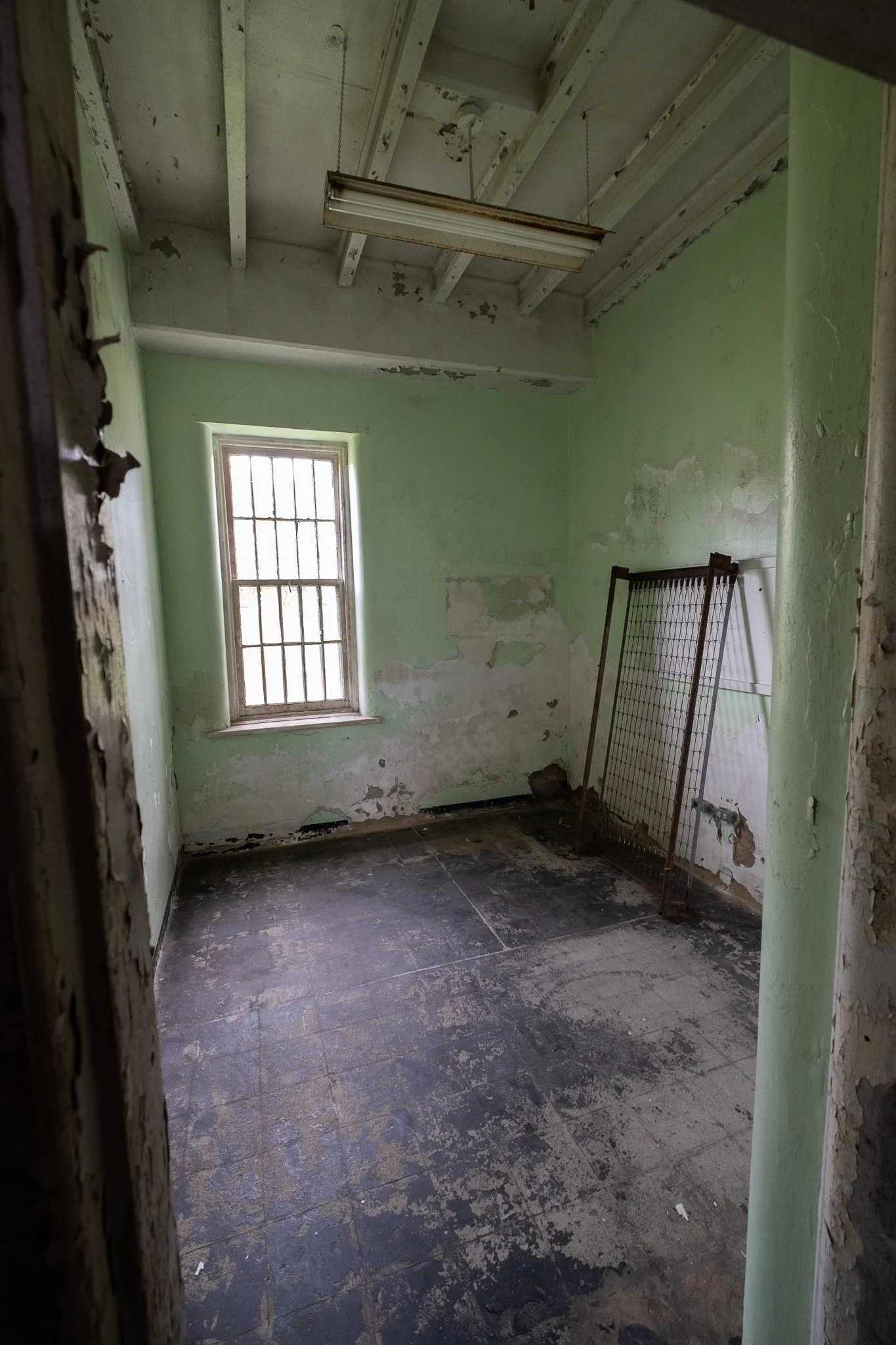
The majority of this massive complex is still in the condition it was when closed in 1994. The photos which follow are of patient rooms, hallways and other locations throughout the asylum. Creepy to say the least!
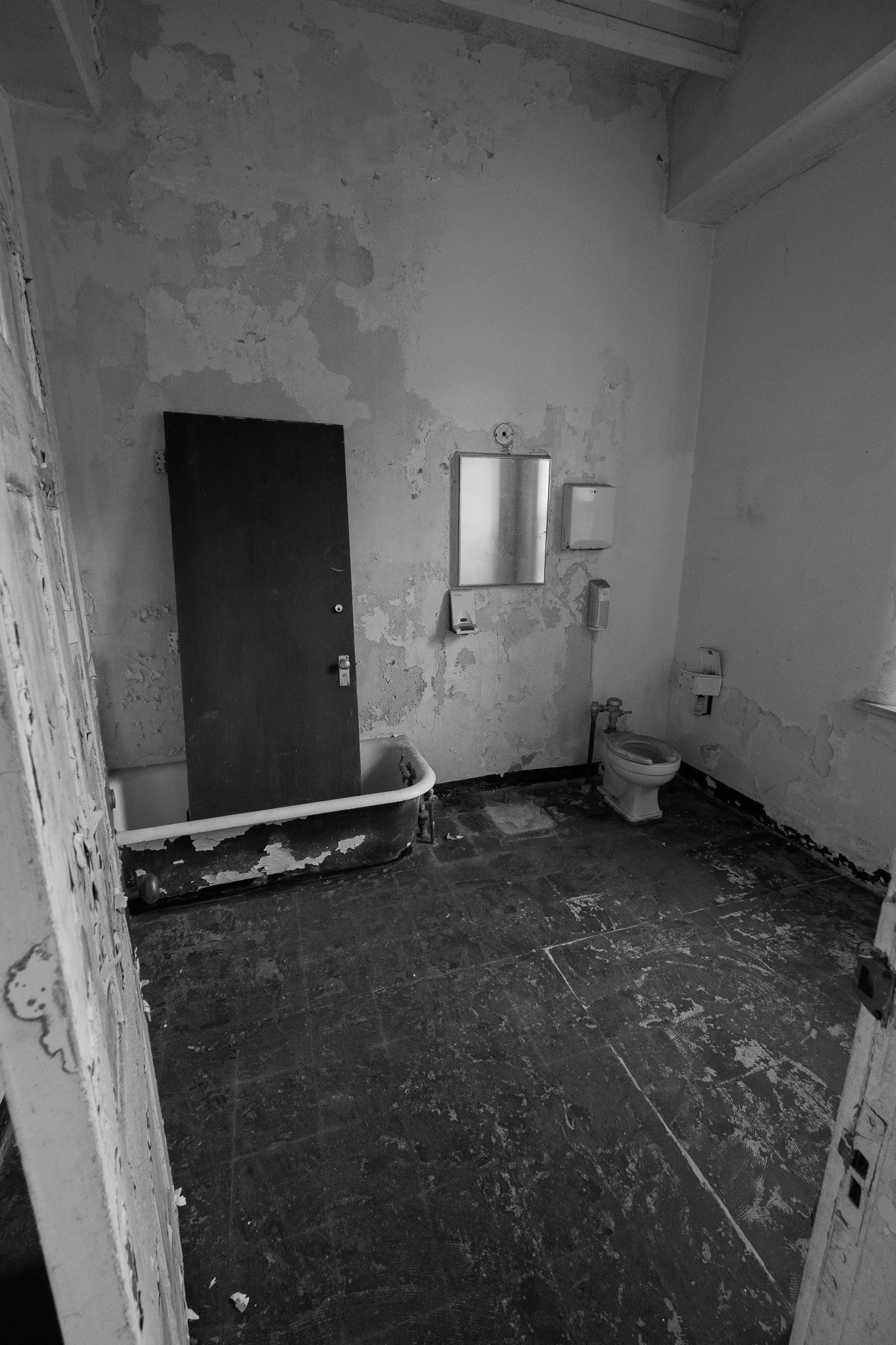
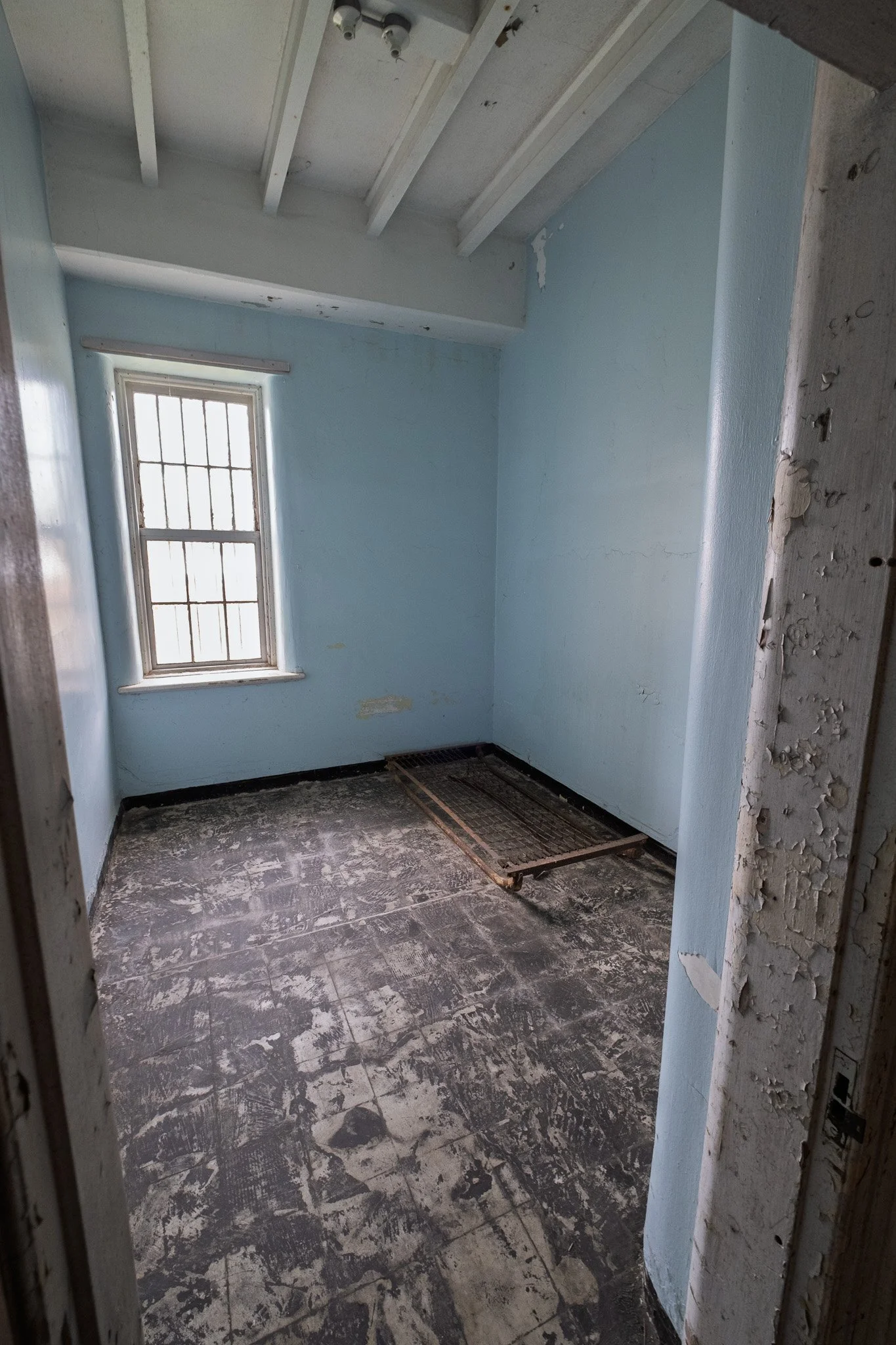
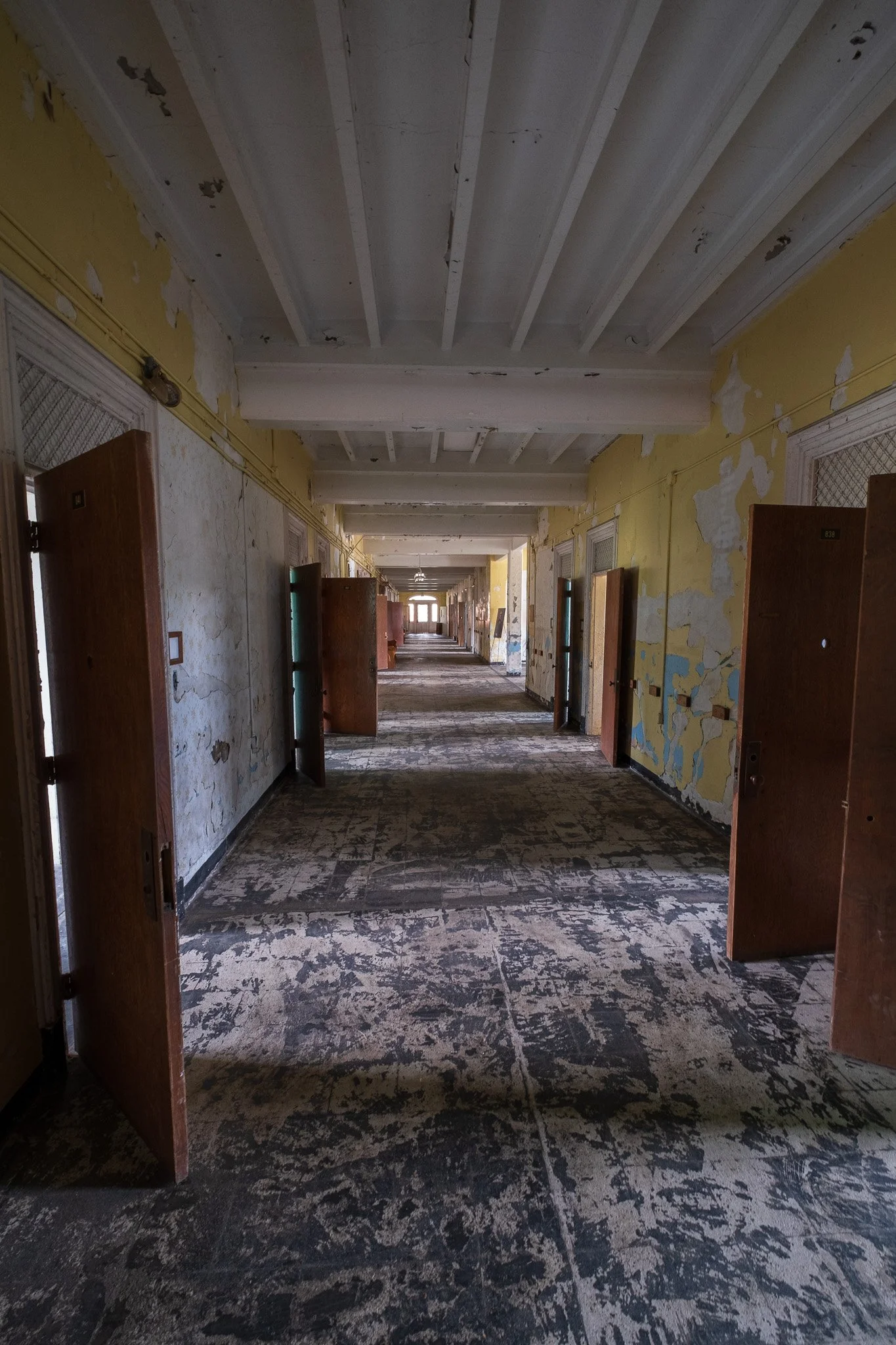
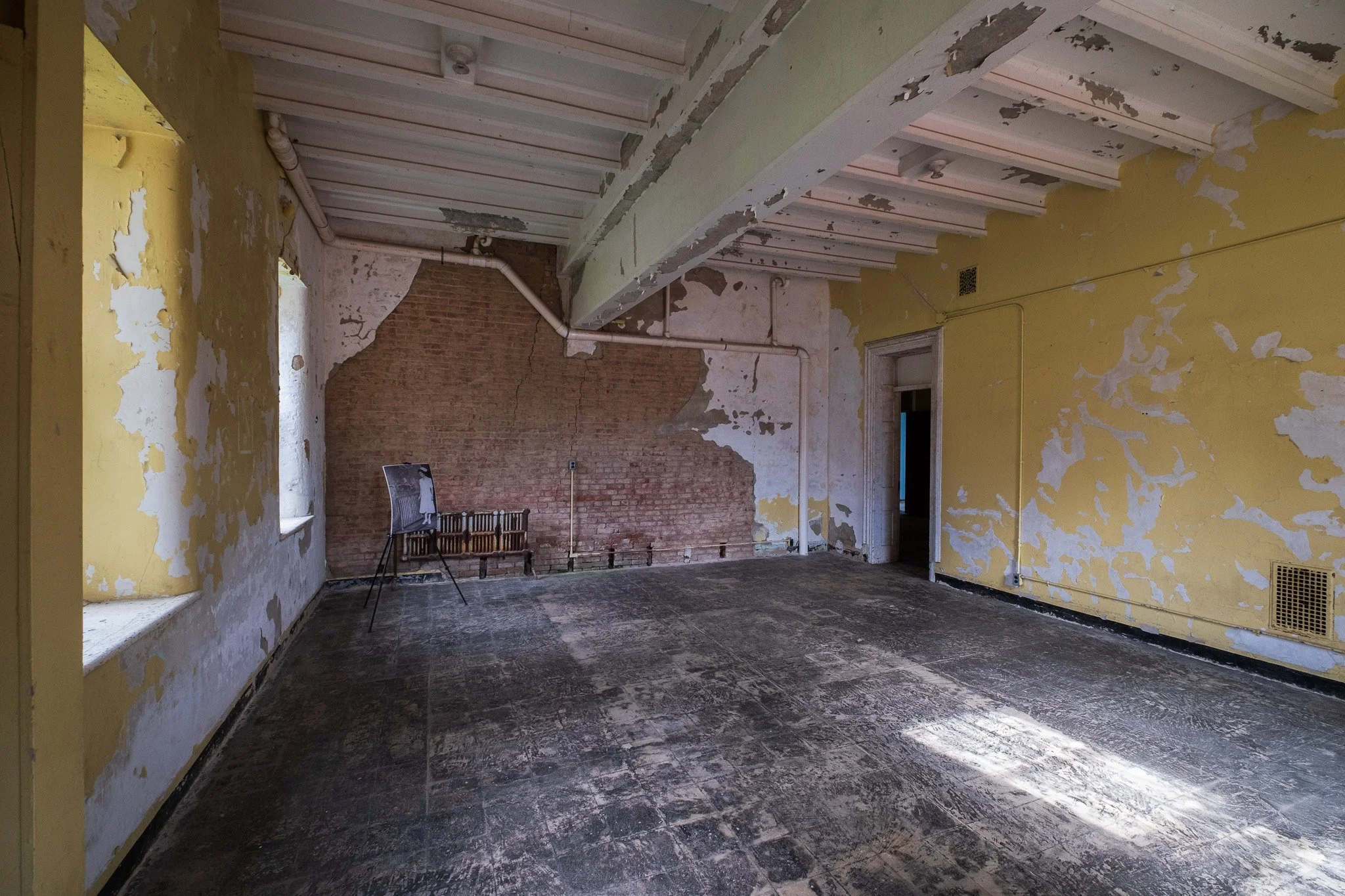
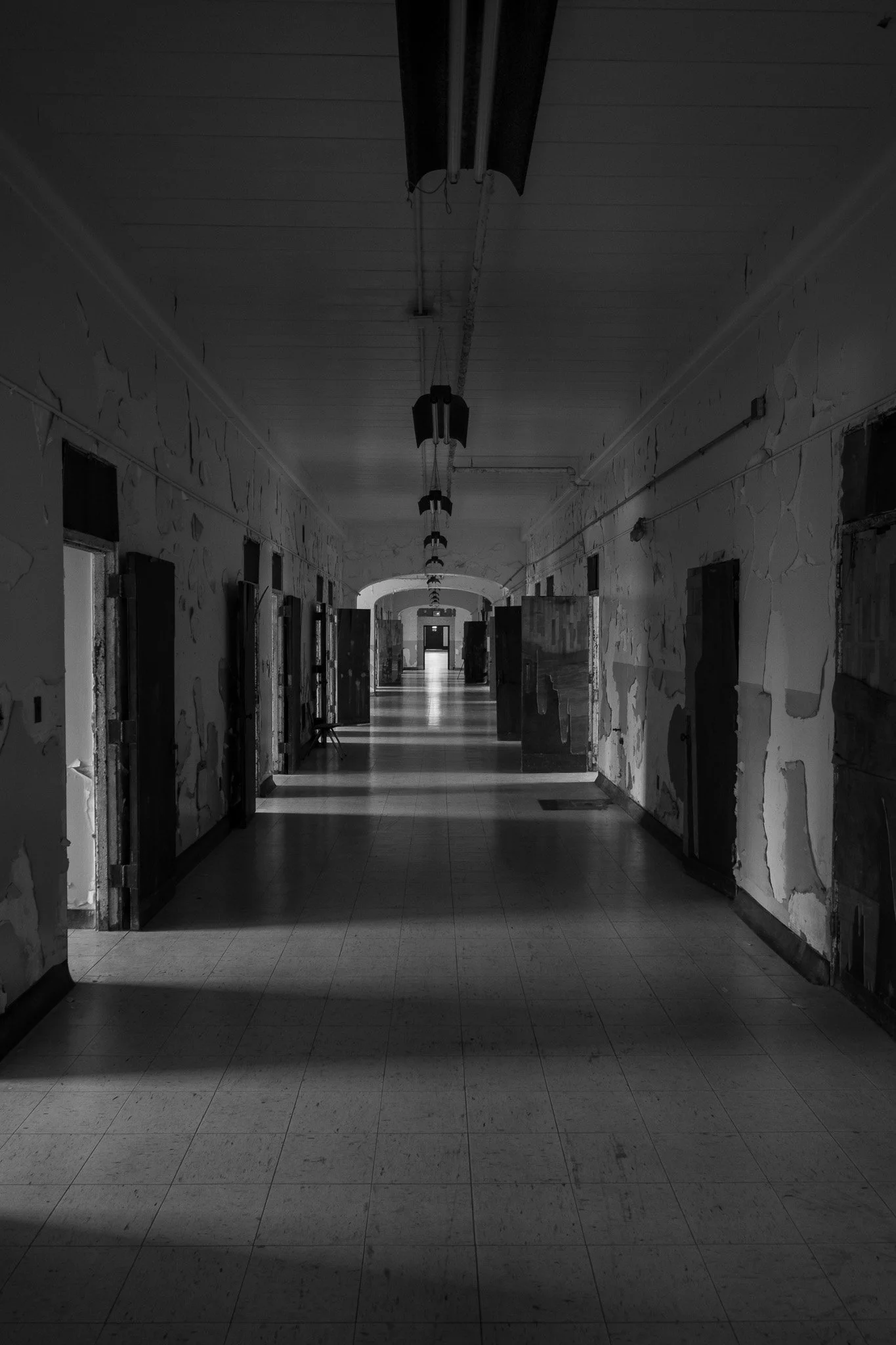
We took the full four floor tour of the asylum, including the medical building. They also offer paranormal tours and you can even pay to stay the night in the asylum.
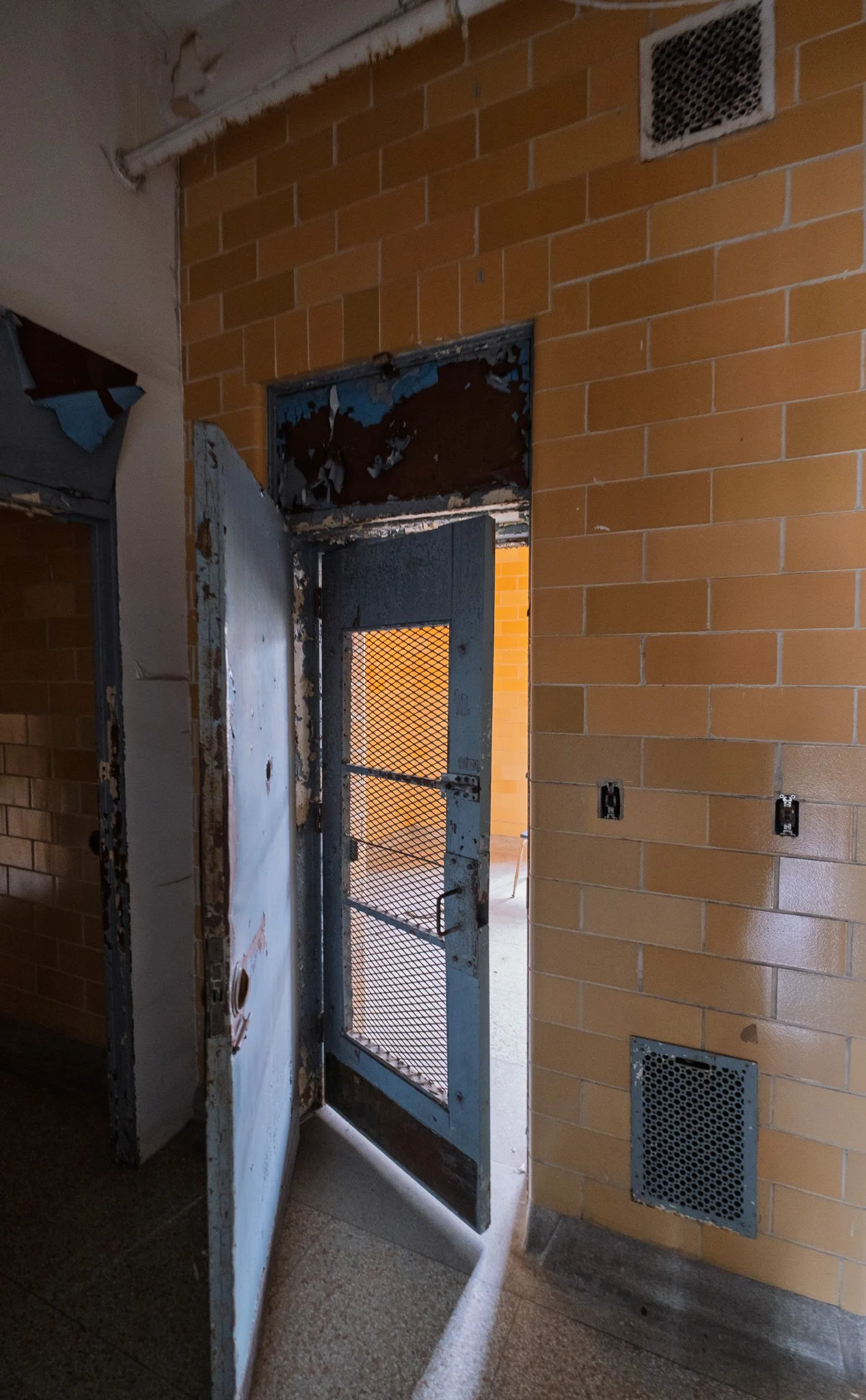
These are the rooms in the locked ward of the asylum.
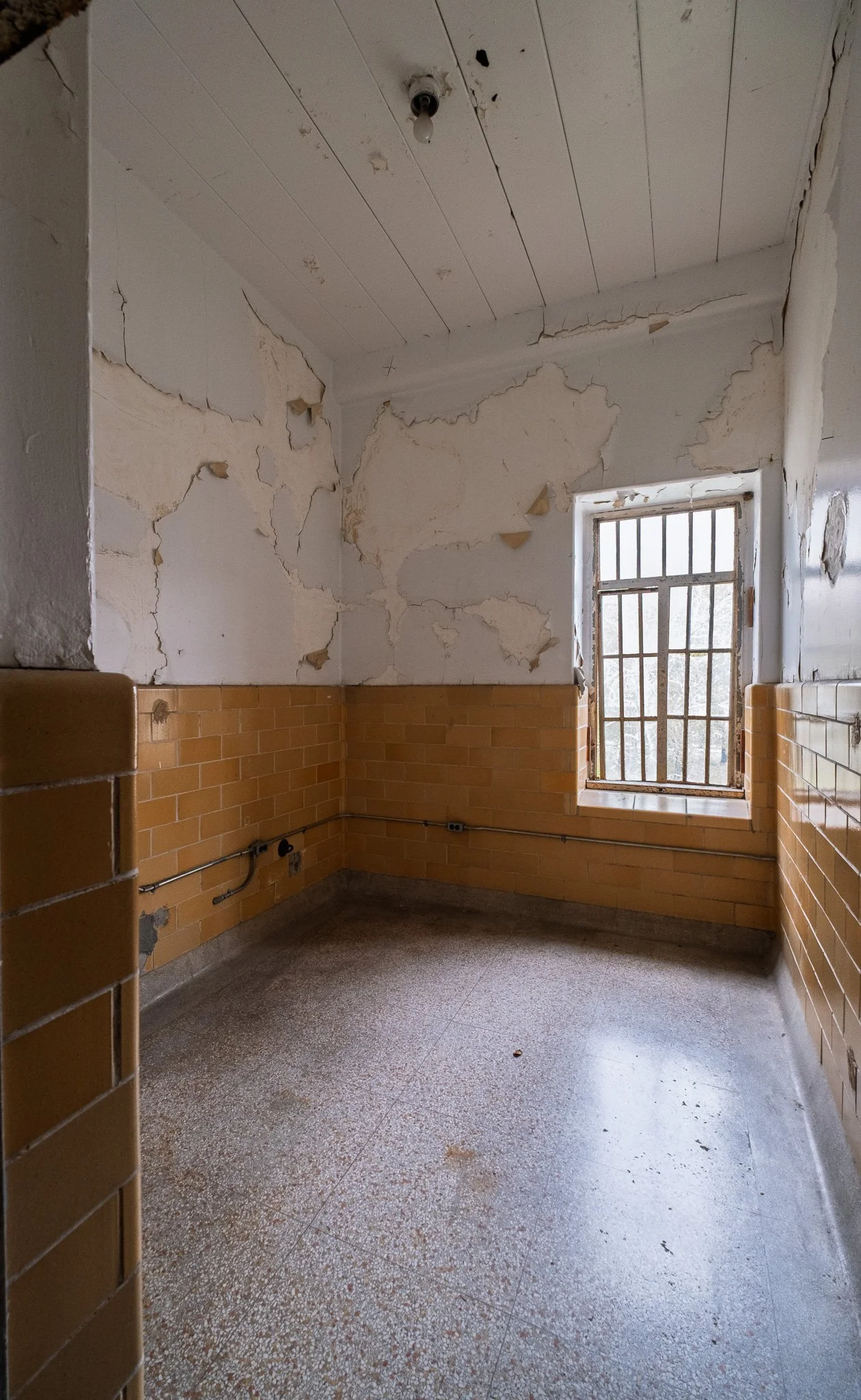
This the inside of one of the locked rooms. Notice there are no furnishings in these rooms. This, we are told, was because people in these rooms would attempt to harm themselves by hanging or other means if allowed. If you were not already insane before hand, spending any time in these rooms would make you go crazy!
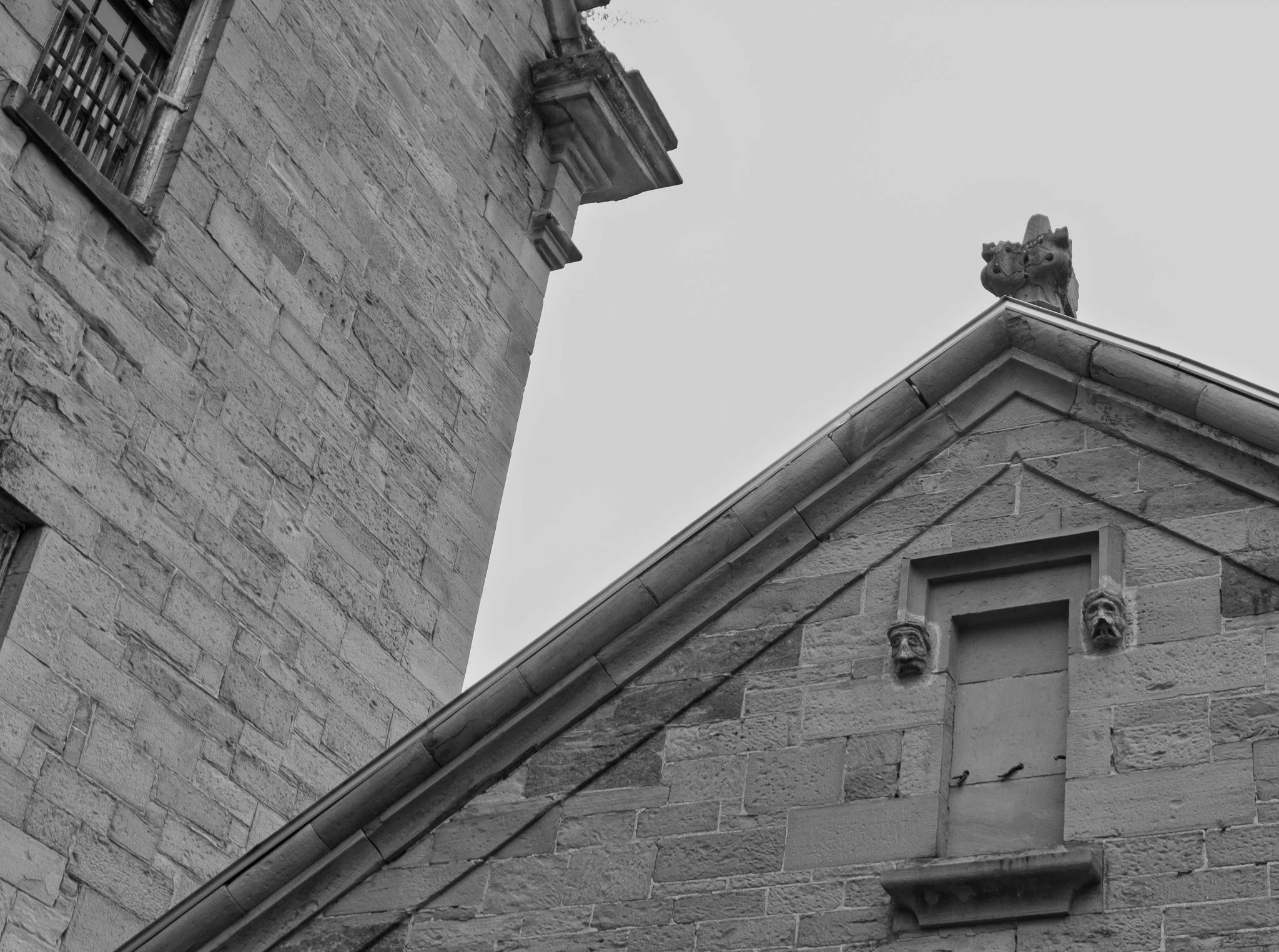
Interesting architecture with these carved faces on the exterior.
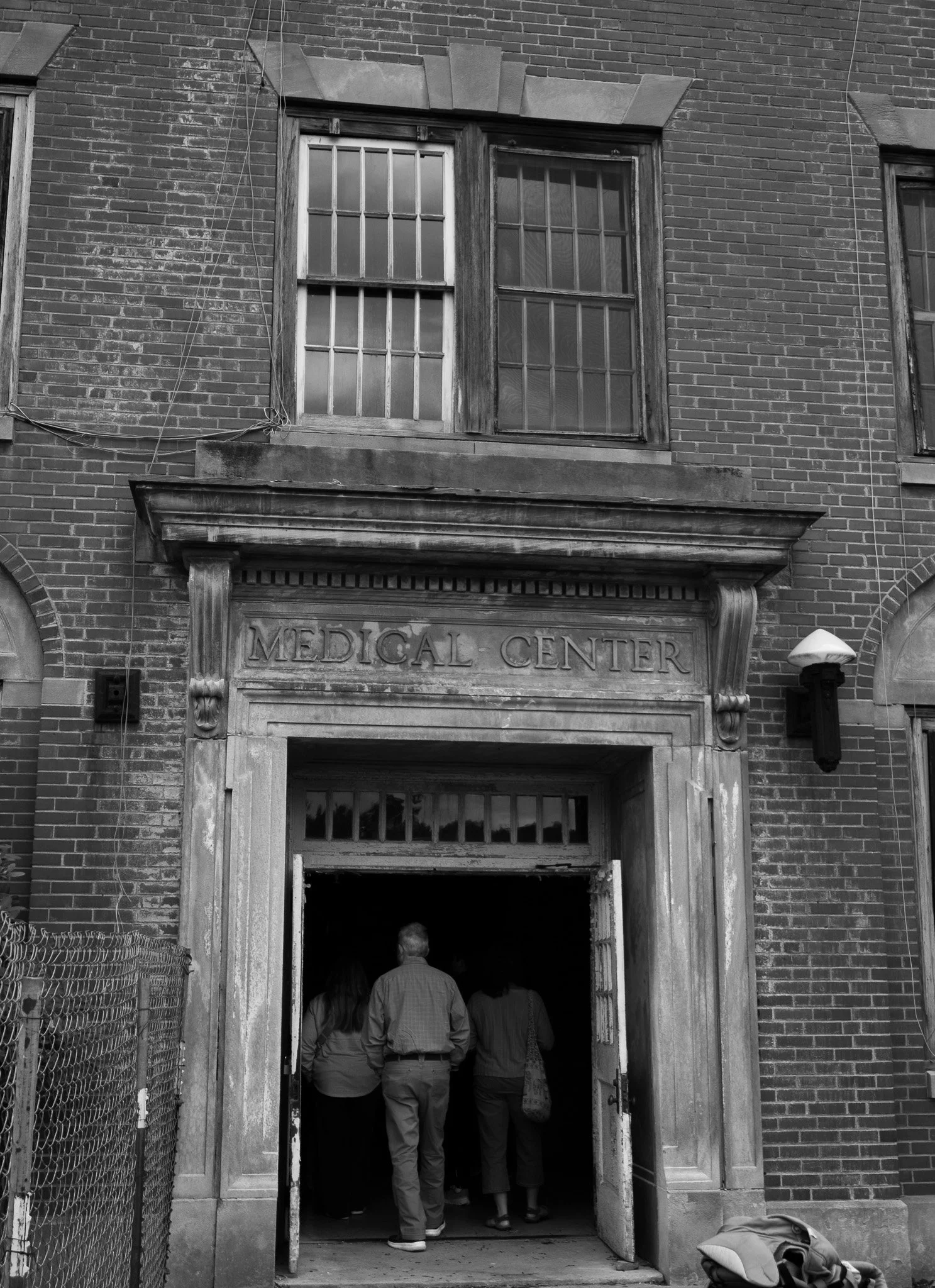
Entrance to the Medical Center building. The creepiness only increased inside here. Photo-ops were limited due to the dark lighting. But we got to see the morgue and some other interesting places. Just too dark in there for meaningful photos unfortunately.
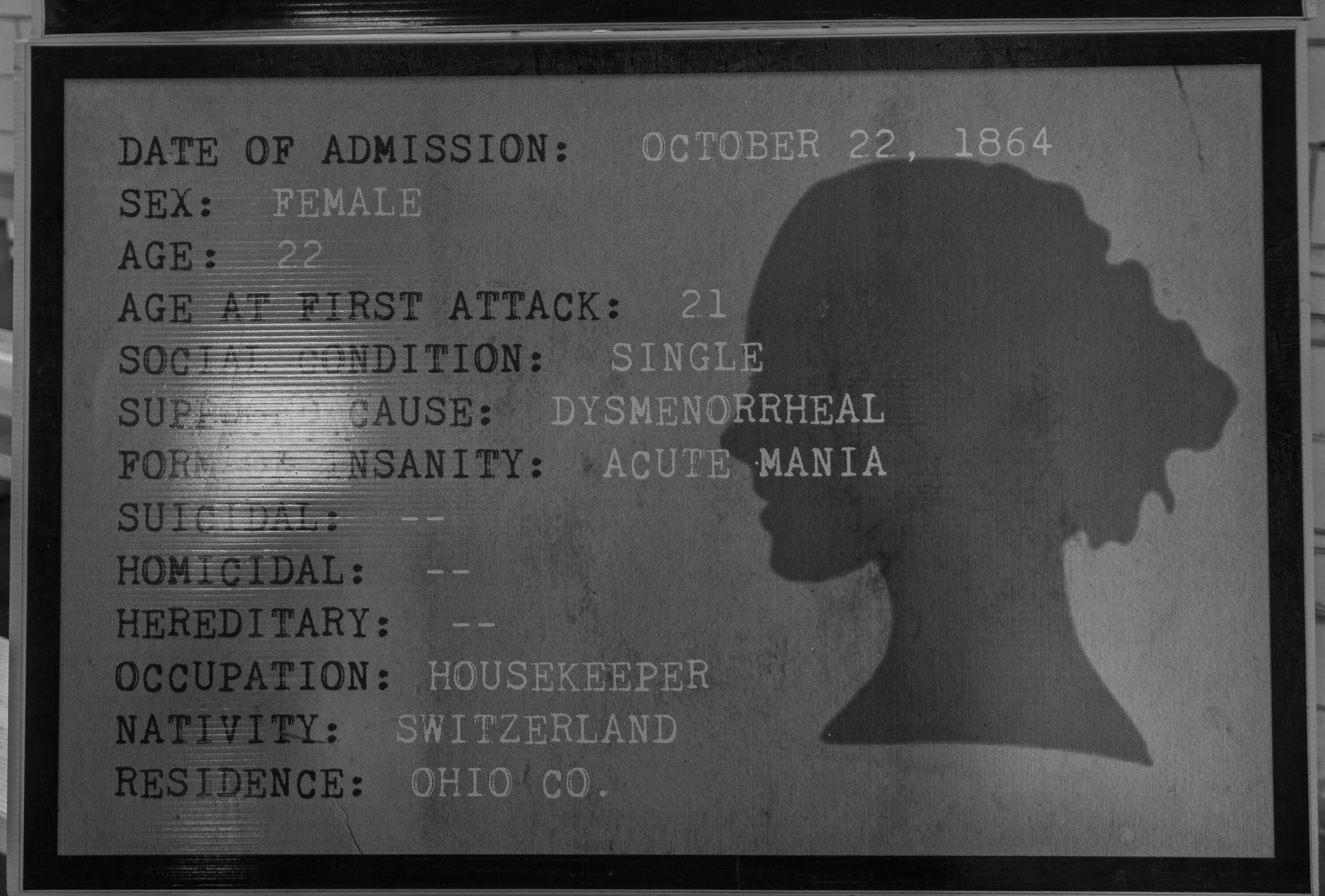
A disproportionate number of the patients were female in the early years. This was believed to be due to the patriarchal nature of the times. A husband or other family member would bring the young woman to the asylum and claim she was “insane,” and she would be admitted just on their word alone. It was common to see young women, such as the one featured here, that were admitted for “dysmenorrheal” acute mania. We can only assume it may have been some type of PMS symptoms which was interepreted as “insane.”
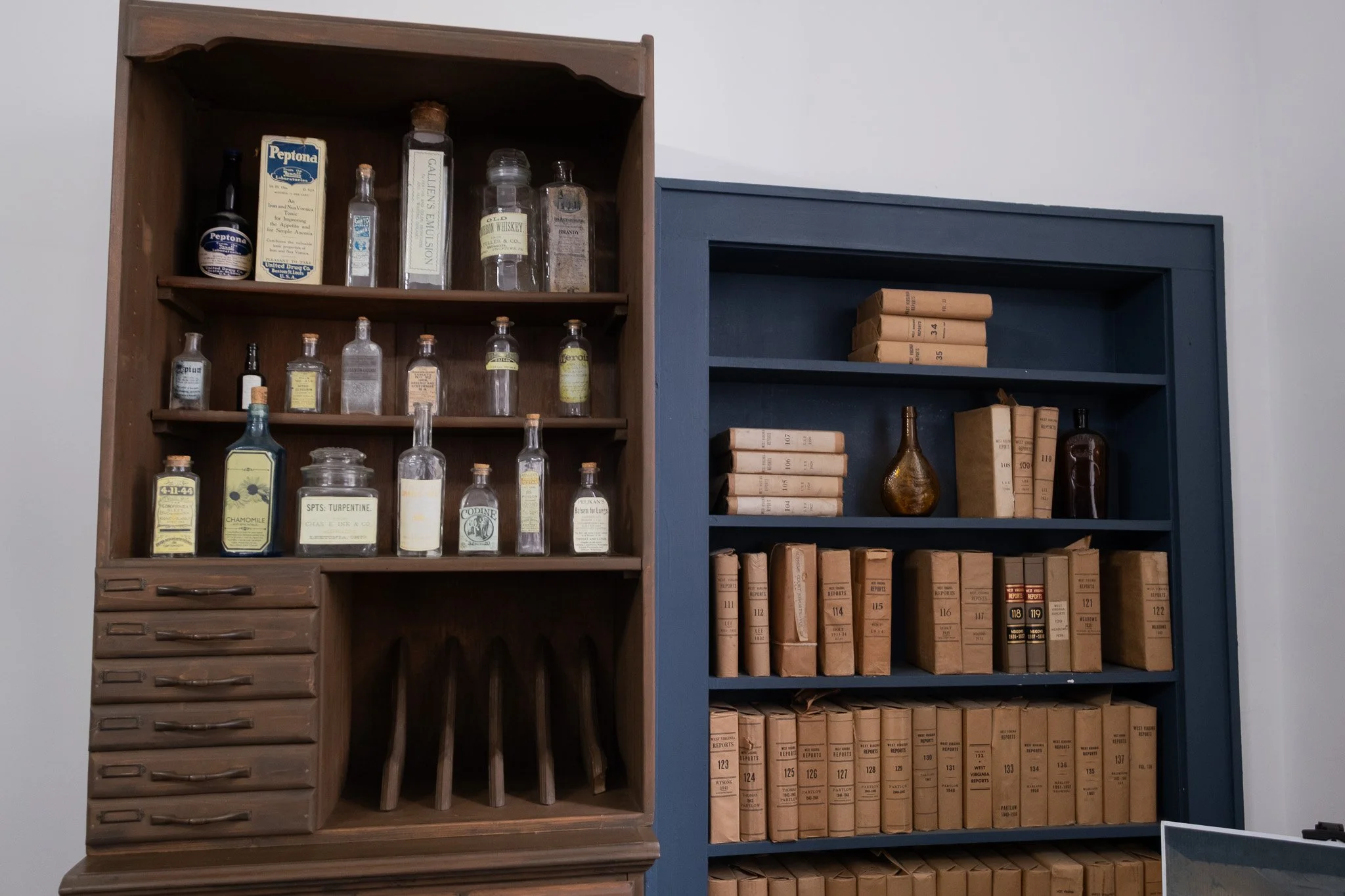
Inside the physician’s office at the Medical Center.
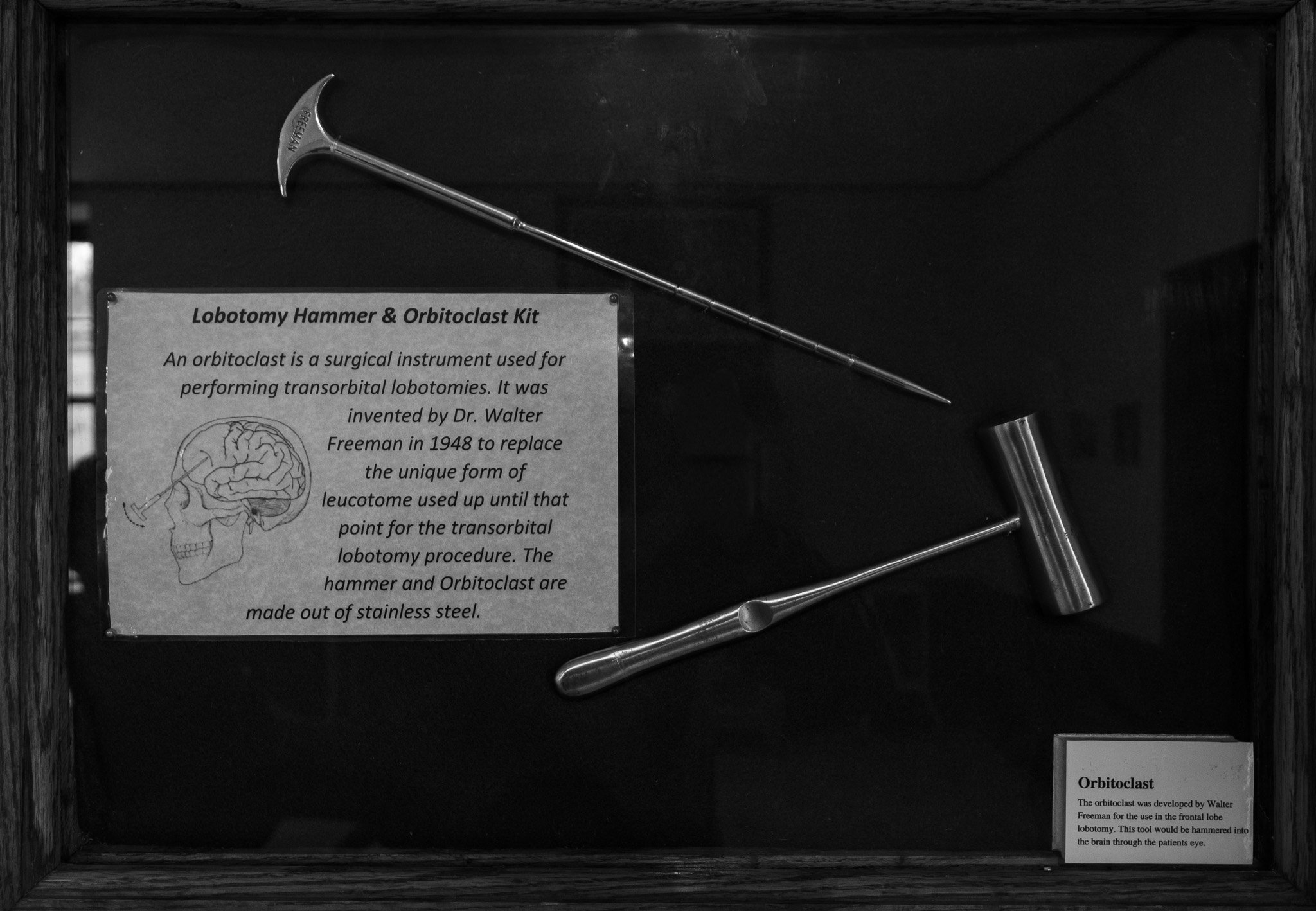
These are the tools used for transorbital lobotomies. They had a video showing how this procedure being performed on a sedated - but otherwise awake patient. What was particularly interesting was how bloodless this procedure actually was.
From ChatGPT:
Transorbital frontal lobotomies often produced profound and irreversible effects on patients. While some individuals showed reduced agitation or anxiety, many experienced severe personality changes, emotional blunting, and loss of initiative. Patients frequently became apathetic, childlike, or unable to plan, work, or maintain relationships. Cognitive impairment, poor judgment, incontinence, seizures, and speech difficulties were common. In some cases, patients lost their sense of identity or independence entirely. Although once promoted as a breakthrough for severe mental illness, the procedure ultimately caused widespread harm, leading to its abandonment as psychiatric ethics, medications, and understanding of brain function evolved.
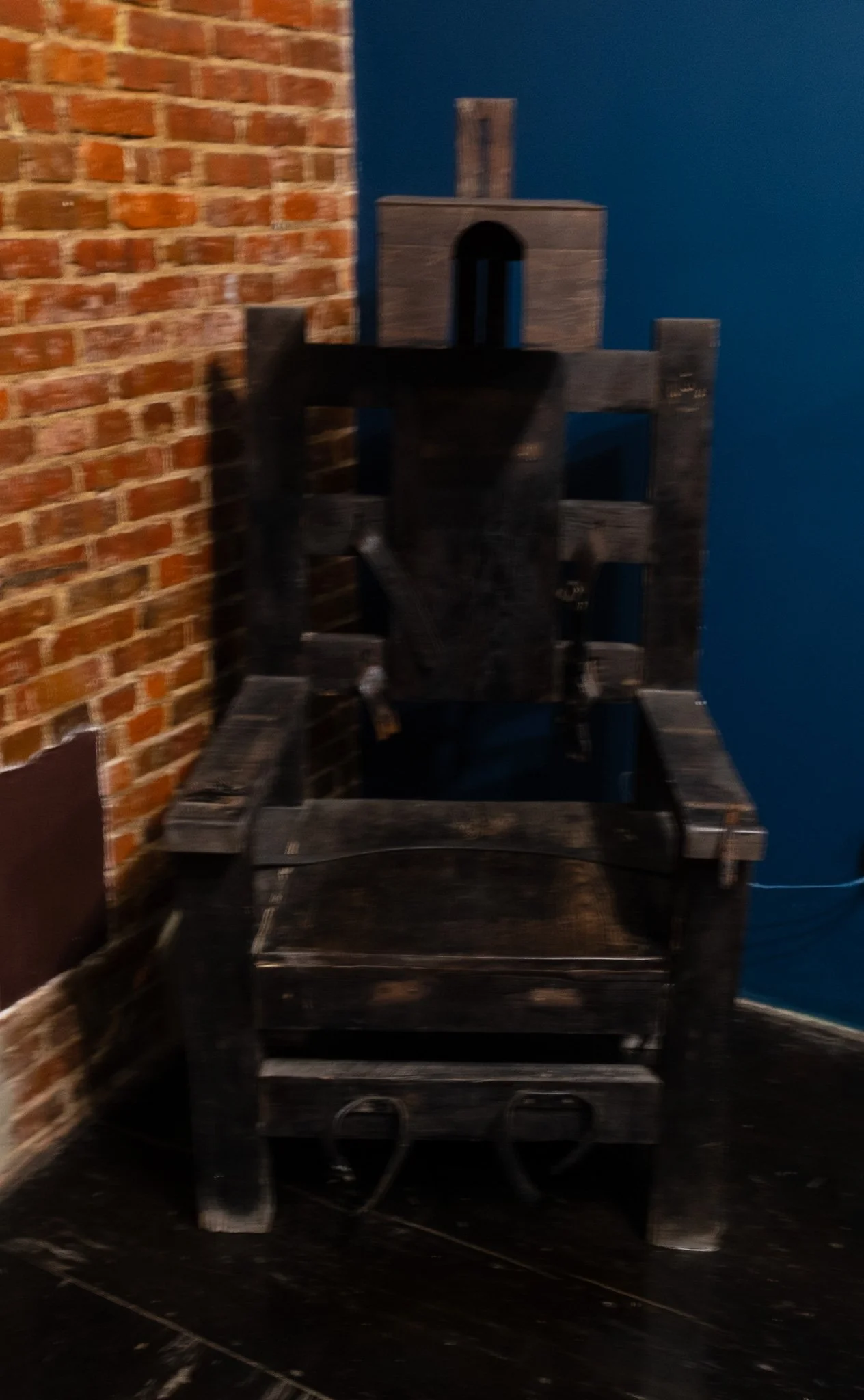
Unfortunately, the lighting in this room was so poor that I could not obtain a good quality photo. But, this is a chair used in electroconvulsive therapy.
From ChatGPT:
Electroconvulsive therapy (ECT) is a medical treatment in which controlled electrical currents are passed through the brain under anesthesia to induce a brief seizure. Used primarily for severe depression, catatonia, and some bipolar disorders, ECT can be highly effective when medications fail. Modern ECT is carefully monitored, far safer than early forms, though temporary memory loss and confusion remain possible side effects. It is often reserved for life-threatening cases today.
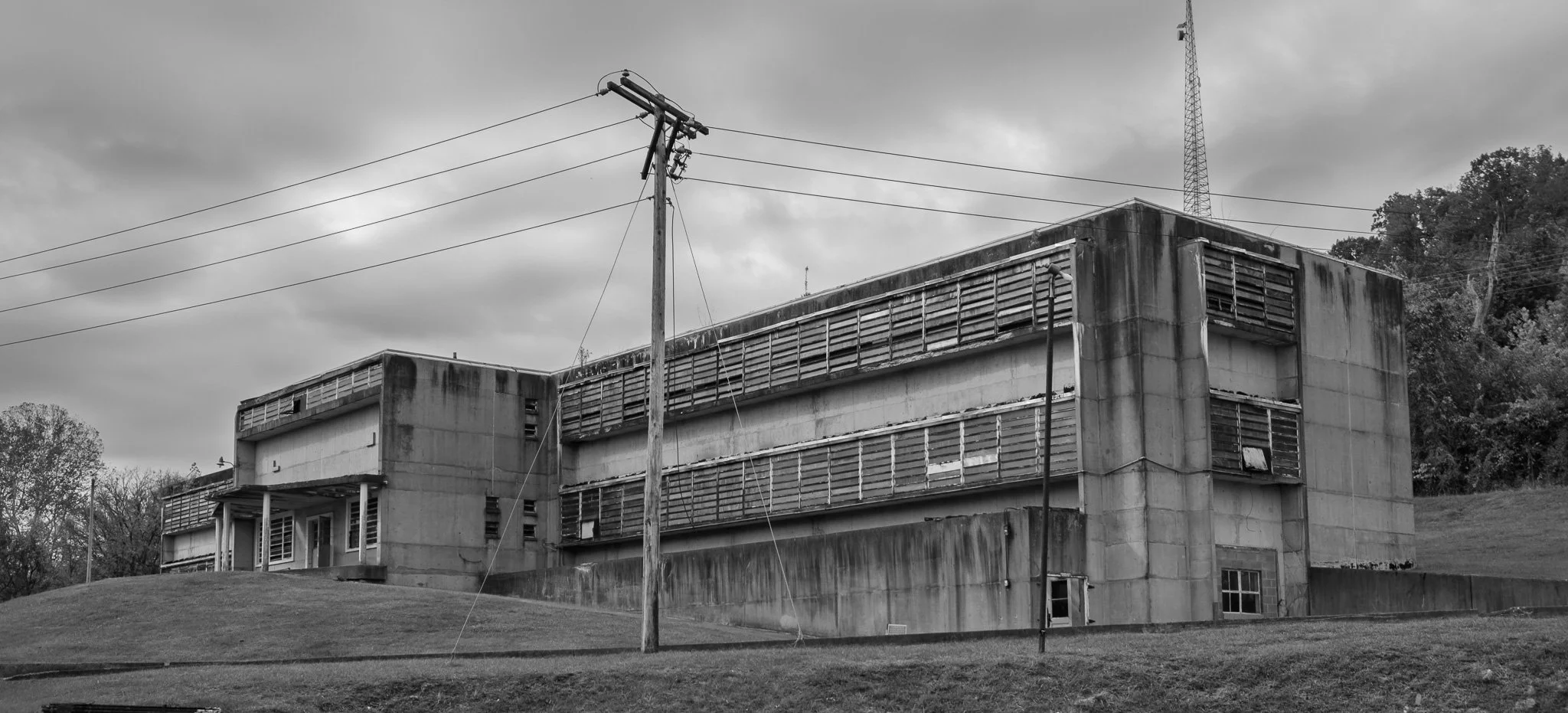
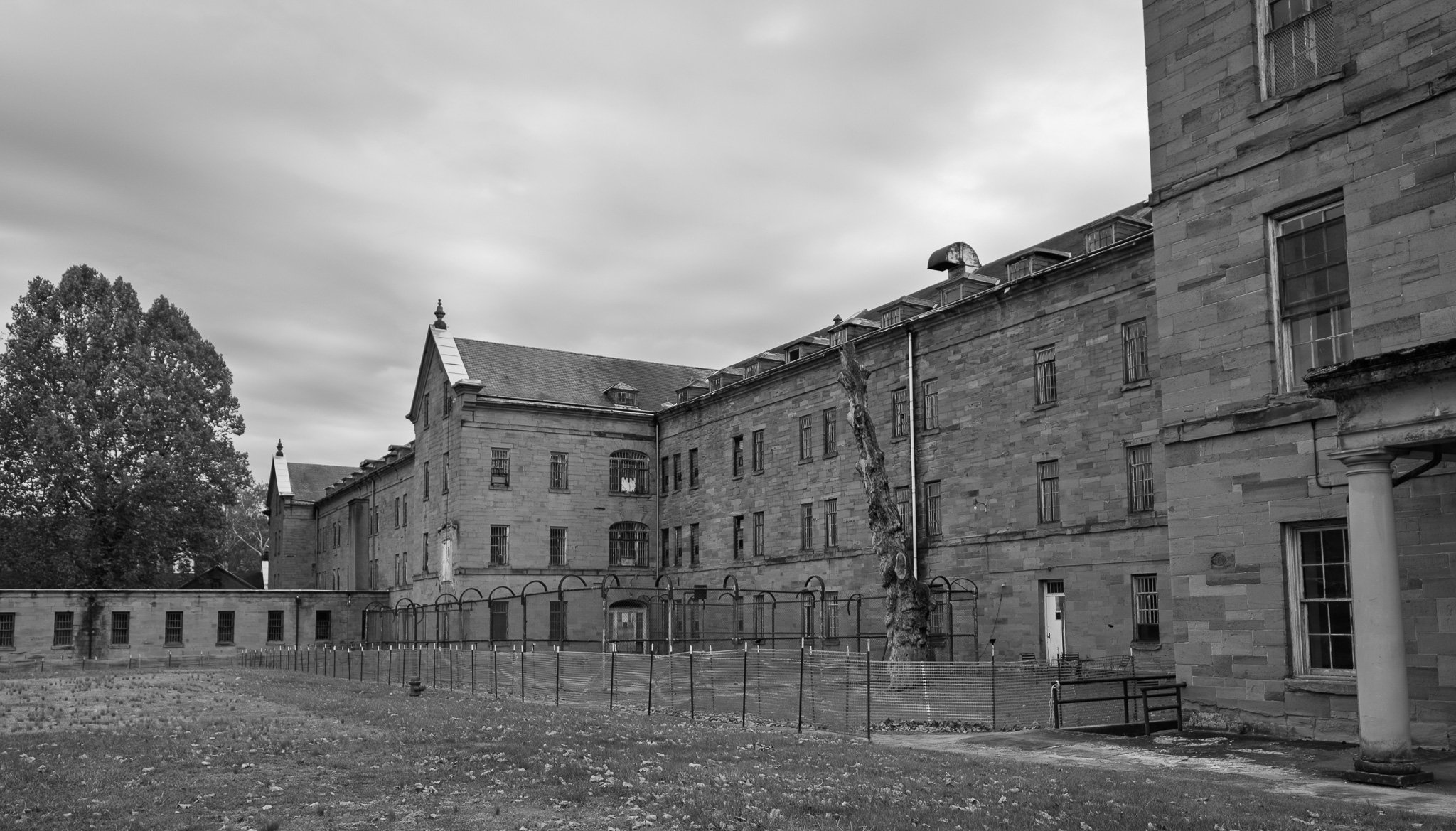
Located directly behind the main building is the ward for the criminally insane. We did not tour this building due to time constraints; but if we ever return, this is on the list of to-do’s.
From ChatGPT:
At the Trans-Allegheny Lunatic Asylum in Weston, West Virginia, a separate ward for the criminally insane was added in the mid-20th century behind the main hospital building to isolate patients deemed dangerous or violent from the general population. This auxiliary structure housed those with histories of aggression, helping staff manage safety in an overcrowded facility. It’s now part of historic tours that explore the asylum’s complex and often grim history.
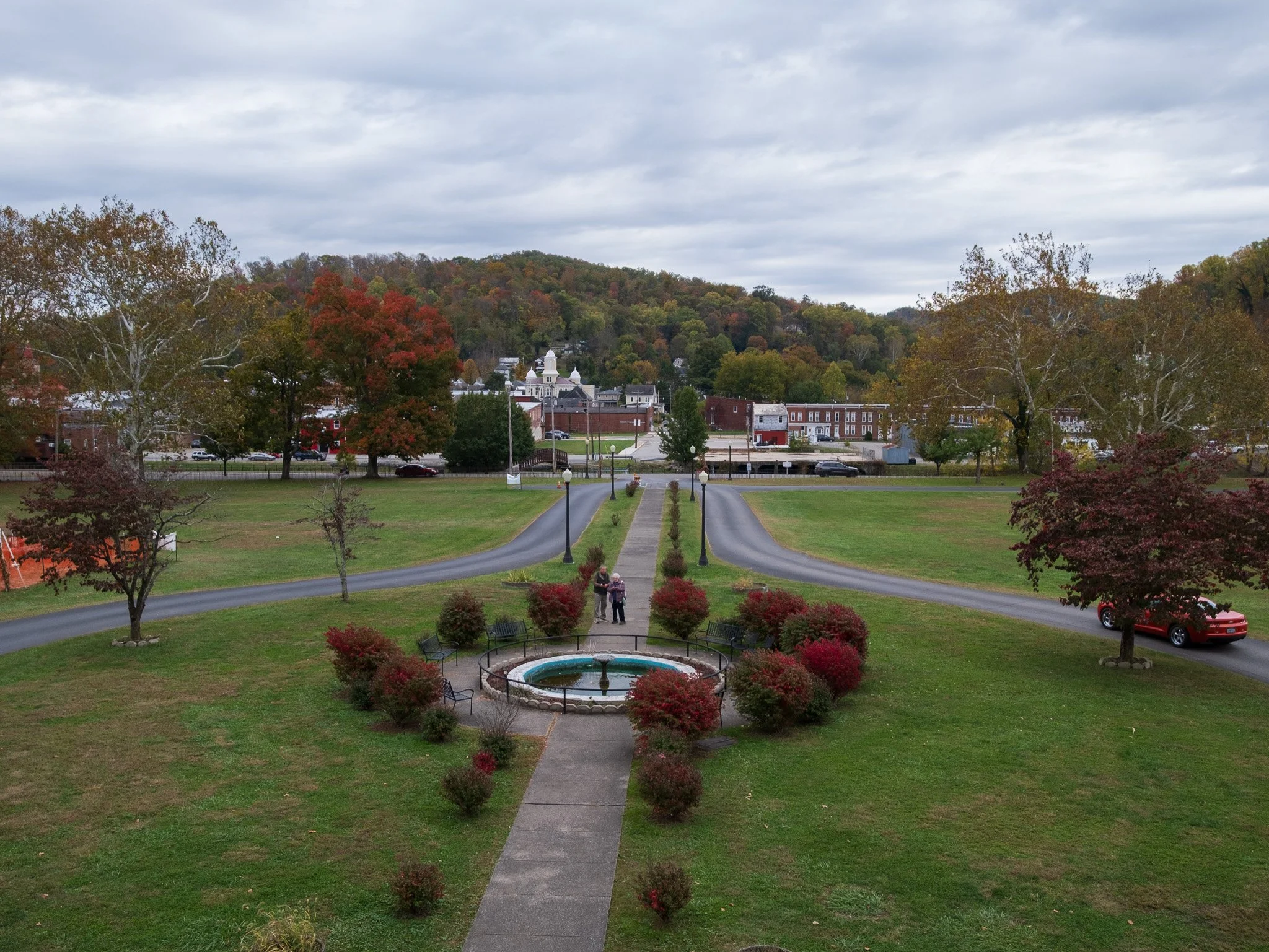
View from the balcony of the main building.
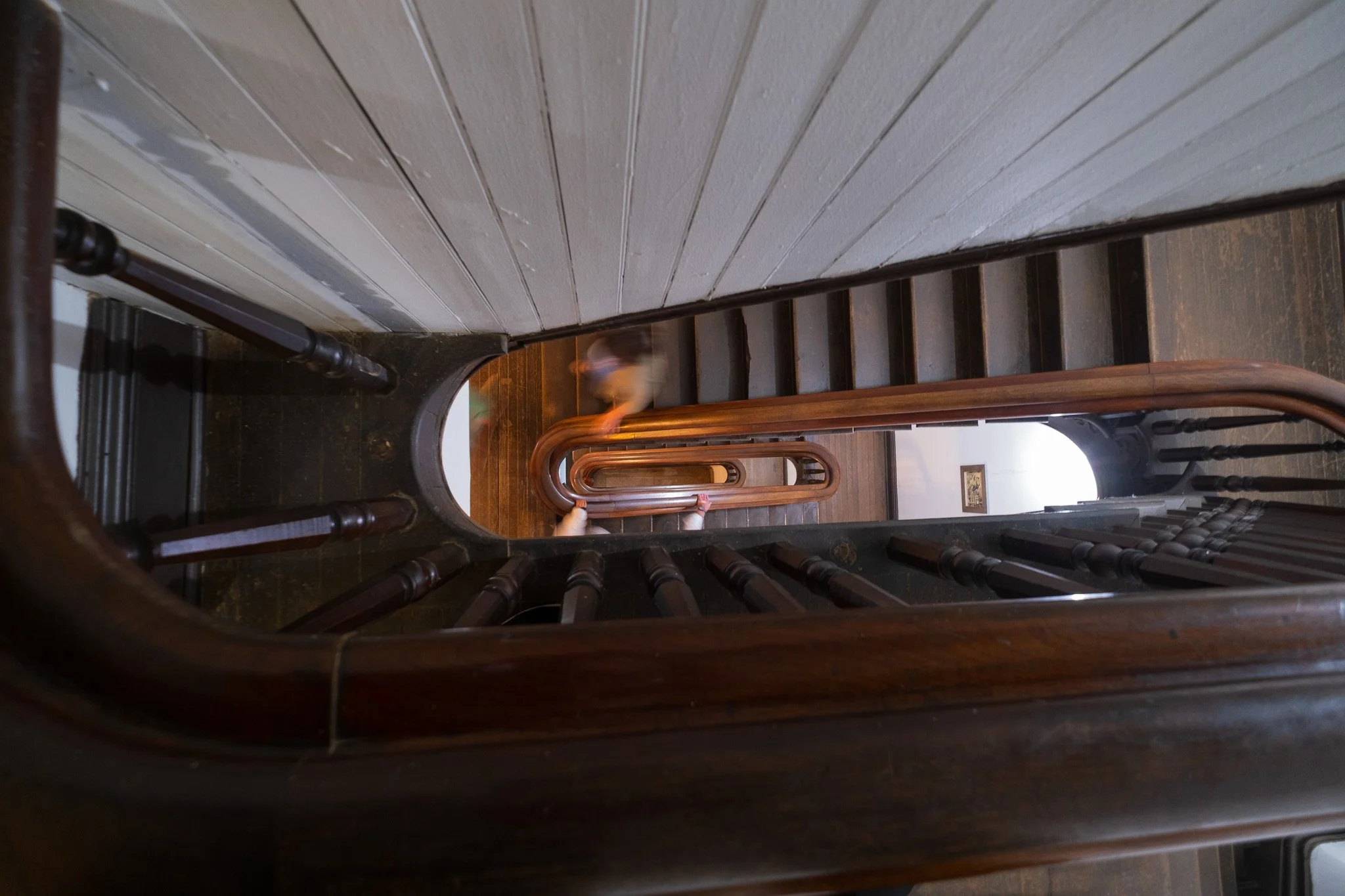
Wonderful old staircase in the center of the main building with the original hardwood handrailing.
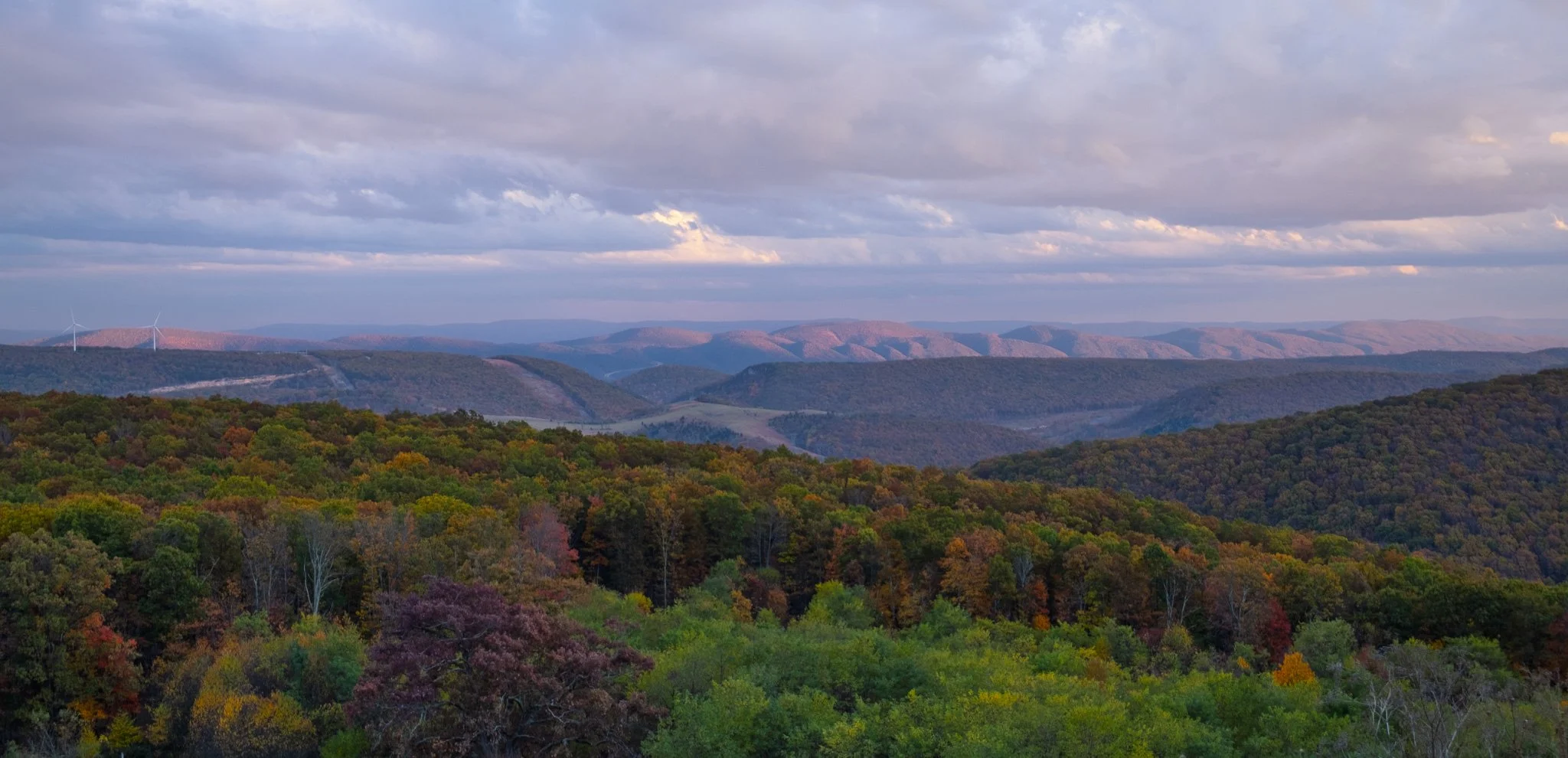
The trip east from Weston, WV to Front Royal, VA had some spectacular views with the setting sun.
Click on Image for Map.
